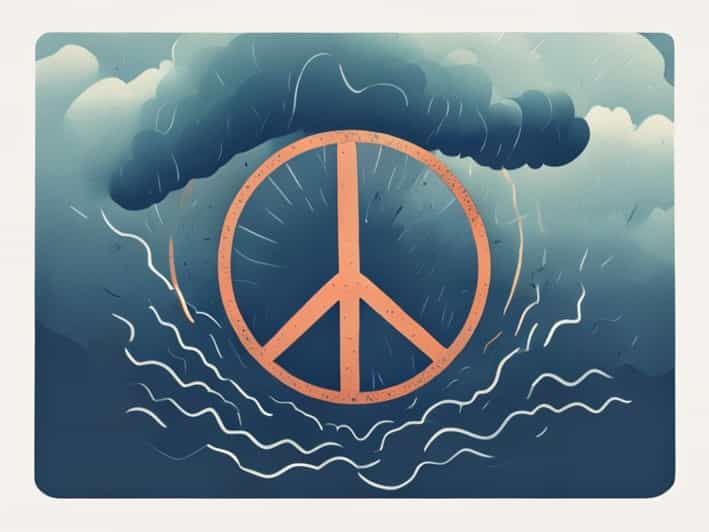
Life often presents situations that feel overwhelming, chaotic, or uncontrollable, leaving us searching for stability and calm. Finding **peace in the midst of the storm** is not about avoiding challenges or pretending that difficulties do not exist; rather, it is about cultivating an inner calm that allows us to navigate hardship with clarity and resilience. Whether the storm is personal, emotional, professional, or spiritual, learning how to maintain composure and a sense of balance can transform how we experience life. This concept has inspired countless reflections, practices, and strategies designed to help individuals remain centered even when circumstances feel turbulent.
Understanding the Storm
The first step in achieving peace amid turmoil is understanding the nature of the storm itself. Life’s challenges can take many forms, including
- Emotional upheaval, such as grief, anger, or anxiety
- Financial or professional pressures that create uncertainty
- Health challenges that affect the body or mind
- Global events, natural disasters, or societal upheavals
Recognizing the source of stress or difficulty allows individuals to address it directly rather than reacting impulsively. By naming the storm, we can begin to see what aspects we can influence and what we must accept, which is a foundational element in finding inner peace. When we understand the storm, we create a perspective that allows us to focus on solutions rather than becoming consumed by fear or panic.
Inner Calm as a Choice
Peace in the midst of the storm starts with the realization that calm is not purely external; it is cultivated internally. While external circumstances may be uncontrollable, our response to them is a choice. Practices such as mindfulness, meditation, and deep breathing encourage self-awareness and help reduce reactivity. By grounding ourselves in the present moment, we can prevent our thoughts from spiraling into catastrophic thinking, enabling clearer judgment and emotional stability.
Strategies to Cultivate Peace
There are several practical strategies that individuals can adopt to foster a sense of peace even during difficult times. These strategies focus on mental, emotional, and physical practices that reinforce resilience and balance.
Mindfulness and Meditation
Mindfulness encourages a non-judgmental awareness of the present moment. By observing our thoughts, emotions, and physical sensations without immediate reaction, we can reduce stress and improve our ability to respond calmly. Meditation, even for a few minutes daily, strengthens this capacity. Techniques such as guided meditation, focusing on breath, or visualizing a calm place can help maintain a sense of serenity during life’s challenges.
Positive Self-Talk and Perspective
Our inner dialogue has a significant impact on how we experience stress. Replacing negative self-talk with affirmations or realistic assessments can reduce anxiety and help maintain mental clarity. For example, reminding ourselves that this situation is temporary or I have faced challenges before and overcome them reinforces resilience. Perspective-taking allows us to see that storms, while intense, are often fleeting and can provide opportunities for growth and learning.
Connection and Support
Maintaining relationships and seeking support can significantly increase our capacity for peace. Sharing concerns with friends, family, or mentors allows for emotional release and guidance. Sometimes just knowing we are not alone provides comfort. Support networks can also offer practical advice and encouragement, helping to navigate challenges more effectively. Community, empathy, and companionship are powerful tools for finding calm in turbulent times.
Spiritual and Philosophical Approaches
Many individuals turn to spiritual or philosophical frameworks to find peace in the midst of the storm. These approaches offer perspective, meaning, and guidance for navigating difficulties.
Acceptance and Surrender
Spiritual traditions often emphasize acceptance and surrender as pathways to inner peace. Accepting what cannot be changed allows individuals to focus on actions within their control. This does not mean resignation or passivity, but rather a conscious choice to let go of resistance to reality. Surrendering in this way reduces mental struggle and opens the way for more thoughtful, intentional responses.
Faith and Hope
For many, faith provides a sense of reassurance that there is a greater purpose or order, even in the midst of chaos. Hope allows individuals to envision a positive outcome and maintain motivation despite present difficulties. Whether rooted in religious belief, personal philosophy, or a broader sense of meaning, faith and hope help sustain inner peace through trials.
Physical Practices for Calm
Physical practices can also play a critical role in maintaining peace during stressful times. The mind and body are deeply interconnected, and taking care of one enhances the other.
Exercise and Movement
Physical activity, such as walking, yoga, or other forms of exercise, releases tension, improves mood, and increases resilience. Even gentle movement can help regulate breathing and reduce stress hormones, promoting a sense of calm. Establishing a routine of regular exercise ensures that the body and mind are better equipped to handle stress.
Rest and Sleep
Maintaining adequate rest is essential for emotional and cognitive function. When under pressure, sleep deprivation can exacerbate stress and hinder our ability to respond calmly. Prioritizing rest and creating a relaxing bedtime routine are key elements in sustaining peace in the midst of life’s storms.
Lessons Learned from the Storm
While storms are challenging, they often offer valuable lessons. Experiencing difficulty can strengthen resilience, deepen empathy, and foster personal growth. By approaching storms as opportunities to learn and adapt, individuals can transform moments of chaos into experiences that contribute to their overall strength and wisdom. Embracing the lessons from hardship allows us to find peace not only during the storm but also in its aftermath.
Building Long-Term Resilience
Developing the ability to maintain peace in difficult circumstances is a lifelong skill. Consistently practicing mindfulness, seeking support, nurturing faith or philosophy, and taking care of the body builds resilience over time. Resilient individuals are able to face new challenges with confidence, knowing that peace can be maintained even when life is unpredictable.
Finding **peace in the midst of the storm** is both an art and a practice. It requires awareness, patience, and intentionality. By understanding the nature of challenges, cultivating inner calm, seeking support, embracing spiritual or philosophical guidance, and maintaining physical wellness, individuals can navigate life’s most turbulent moments with composure and clarity. Peace is not the absence of storms, but the ability to remain centered and resilient in their presence. By learning to cultivate this inner peace, we can face life’s difficulties with grace, courage, and confidence, transforming challenges into opportunities for growth and self-discovery.