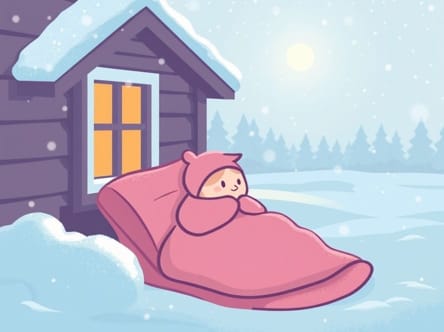
When people think of timeless holiday music, one song that consistently comes to mind is the original Baby, It’s Cold Outside.” This duet has fascinated listeners for decades with its playful dialogue, romantic tension, and wintry charm. Beyond being a seasonal classic, the song holds a unique place in the history of American music. Understanding its origins, lyrical style, cultural impact, and ongoing interpretations reveals why the original “Baby, It’s Cold Outside” continues to resonate across generations.
The Origin of “Baby, It’s Cold Outside”
The song was written in 1944 by Frank Loesser, a talented composer and lyricist best known for his work on Broadway shows likeGuys and Dolls. Loesser originally wrote “Baby, It’s Cold Outside” as a playful piece to sing with his wife, Lynn Garland, at parties. The duet was never intended to become a traditional Christmas song, but its wintery theme and conversational structure gave it a strong connection to the season.
The original version quickly gained popularity when Loesser and Garland performed it for their guests, and it was later included in the 1949 filmNeptune’s Daughter. The song won the Academy Award for Best Original Song, officially cementing its place in American pop culture.
The Playful Dialogue Between Two Voices
One of the most distinctive aspects of the original “Baby, It’s Cold Outside” is its back-and-forth duet format. Unlike traditional holiday songs that often feature storytelling or choral arrangements, this piece is built around dialogue. The lyrics alternate between two voices one person gently persuading the other to stay inside on a cold night, while the other expresses hesitation.
The conversational style creates a sense of intimacy and charm. The song does not rely on grand orchestration or heavy seasonal references. Instead, it thrives on wit, rhythm, and the natural flow of dialogue between two people who are caught between temptation and social expectations.
The Male and Female Roles
Traditionally, the song features a male voice urging a female guest to stay longer, while the woman playfully resists. However, over time, various artists have swapped roles, changed the gender dynamics, or adjusted lyrics to reflect contemporary views. Still, the original intention was not about pressure but about flirtation, witty banter, and a dance of words set against the cozy backdrop of a cold evening.
Cultural Impact of the Original Recording
The original “Baby, It’s Cold Outside” captured the imagination of listeners from the very beginning. In 1949, multiple versions of the song charted, including recordings by popular singers of the era. The tune became a radio favorite and quickly associated itself with the holiday season, even though it does not explicitly reference Christmas or any holiday at all.
The appeal lies in its winter imagery, charm, and the unique performance style that makes it stand out from typical seasonal music. The song’s adaptability has also ensured its place in holiday playlists, with countless reinterpretations spanning jazz, pop, R&B, and even comedic renditions.
Why It Became a Holiday Classic
Although the song was not originally intended as a Christmas carol, it became a holiday staple for several reasons
- Winter imageryThe mention of the cold weather naturally tied the song to the winter season.
- Romantic charmThe duet structure makes it perfect for couples to perform, especially during festive gatherings.
- Hollywood recognitionWinning an Academy Award gave it cultural credibility and visibility.
- VersatilityThe song can be sung in different styles, from playful to sultry, keeping it fresh over decades.
Interpretations Through the Decades
The original “Baby, It’s Cold Outside” opened the door to countless cover versions. Each decade has seen its own reinterpretation, ranging from the smooth crooning of Dean Martin to modern jazz and pop renditions. The adaptability of the duet makes it appealing for artists who wish to add their own twist while keeping the recognizable dialogue intact.
Some performances emphasize the comedic nature of the back-and-forth, while others highlight the romantic or flirtatious undertones. This flexibility has helped the song maintain relevance, even as cultural attitudes toward relationships and gender roles have evolved.
Memorable Versions
Notable interpretations include
- Dean Martin’s smooth and charming version, which became a standard on holiday radio.
- Ella Fitzgerald and Louis Jordan’s lively performance, bringing a jazz sensibility to the duet.
- More recent renditions by artists across pop, R&B, and indie genres, ensuring the song remains familiar to younger generations.
Contemporary Discussions Around the Lyrics
In recent years, the lyrics of the original “Baby, It’s Cold Outside” have sparked conversations. Some listeners view the dialogue as outdated, while others argue that the playful context is key to understanding its charm. The song was originally intended as lighthearted banter, not coercion. However, the modern reinterpretations sometimes adjust lines to reflect changing perspectives on relationships and consent.
Despite the debate, the song continues to be a seasonal favorite, proving that its artistry, melody, and clever duet structure outweigh controversy for many listeners.
The Musical Craftsmanship of Frank Loesser
Frank Loesser’s brilliance shines through in “Baby, It’s Cold Outside.” His ability to capture the natural rhythm of speech within a melody set the song apart. Instead of writing a traditional verse-chorus structure, he crafted a conversational exchange that flows like a theatrical scene. This made the piece appealing not only for listeners but also for performers who enjoy the dramatic aspect of the duet.
The balance between witty lyrics and smooth melody demonstrates Loesser’s mastery of songwriting. He had a knack for blending humor, romance, and catchiness in ways that appealed to both casual listeners and serious musicians.
Why the Original Still Resonates
Even in a world filled with countless holiday songs, the original “Baby, It’s Cold Outside” remains unique. Its success is not tied to traditional Christmas imagery, but rather to its universal themes of flirtation, warmth, and companionship on a chilly night. This timelessness is part of why the song has endured for so many years.
The piece continues to invite reinterpretation, ensuring that each new generation discovers its charm. Whether performed in its classic form or updated for modern audiences, the heart of the song remains the same a playful conversation set to an unforgettable melody.
The original “Baby, It’s Cold Outside” stands as a rare example of a song that accidentally became a holiday classic. Written by Frank Loesser for personal enjoyment, it went on to win an Academy Award and capture the affection of millions. Its witty duet structure, winter imagery, and adaptability across genres have kept it relevant for nearly a century. While discussions about the lyrics continue, the song’s artistry and charm ensure its place in the holiday season for years to come. The original version, with its playful dialogue and cozy atmosphere, remains one of the most memorable and enduring pieces of American music history.