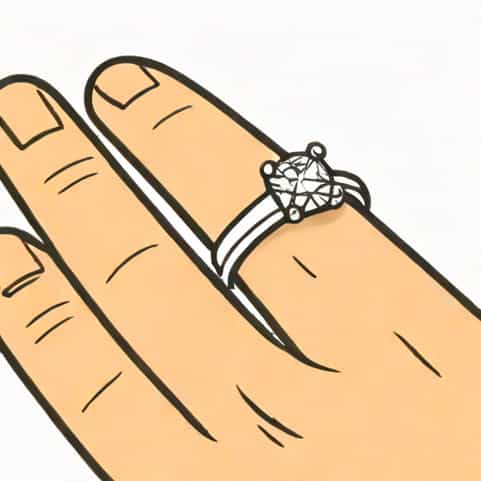
An engagement ring is more than just a piece of jewelry. It represents commitment, love, and the intention to build a future together. When someone gets engaged, one of the most common questions that follows is about tradition and meaning, especially regarding where the ring should be worn. Many people wonder on which hand is the engagement ring worn and whether this differs by culture, country, or personal preference. Understanding these traditions helps couples feel more confident and connected to the symbolism behind their engagement ring.
The Traditional Hand for Wearing an Engagement Ring
In many parts of the world, the engagement ring is traditionally worn on the left hand, specifically on the ring finger. This tradition is deeply rooted in history and symbolism. The ring finger on the left hand has long been associated with love and romance, making it the most common choice for engagement rings.
This custom is especially popular in countries such as the United States, Canada, the United Kingdom, and many other Western nations. For many couples, following this tradition feels natural because it is widely recognized and culturally familiar.
The Meaning Behind the Left Hand Ring Finger
The belief that the engagement ring belongs on the left hand dates back to ancient times. One popular explanation comes from the idea of the vena amoris, or the vein of love. According to ancient belief, a vein runs directly from the ring finger on the left hand to the heart.
Although modern science has shown that all fingers have similar veins, the romantic symbolism remains powerful. Wearing the engagement ring on the left hand is seen as a direct connection to the heart, reinforcing the emotional meaning of the engagement.
Engagement Ring Traditions Around the World
While the left hand is common in many cultures, engagement ring traditions are not the same everywhere. Different countries have their own customs, influenced by history, religion, and cultural values.
Countries That Wear the Engagement Ring on the Right Hand
In several countries, the engagement ring is traditionally worn on the right hand instead of the left. These countries include Germany, Russia, India, and some Eastern European and South American nations.
In these cultures, the right hand is often associated with strength, honor, and trust. Wearing the engagement ring on the right hand reflects these values and symbolizes a strong and respected bond between partners.
Engagement Ring vs Wedding Ring Placement
Another common source of confusion is the difference between engagement ring and wedding ring placement. In many Western traditions, the engagement ring is worn on the left hand before marriage. After the wedding ceremony, the wedding band is placed on the same finger, often below the engagement ring.
Some people temporarily move the engagement ring to the right hand during the wedding ceremony so the wedding band can be placed first. Afterward, the engagement ring is moved back on top. This practice varies and is largely based on personal or cultural preference.
Modern Preferences and Personal Choice
Today, many couples choose where to wear their engagement ring based on comfort, lifestyle, or personal meaning rather than strict tradition. Some people prefer wearing the ring on their dominant hand because it feels more natural, while others avoid it due to frequent hand use.
There is no universal rule that must be followed. What matters most is that the ring feels meaningful and comfortable for the person wearing it. Modern engagement ring traditions are increasingly flexible and inclusive of individual choice.
Same-Sex Couples and Engagement Ring Traditions
For same-sex couples, engagement ring customs are often shaped by personal preference rather than tradition. Some couples choose to follow traditional practices, while others create their own symbolic meanings.
Deciding on which hand the engagement ring is worn can be a shared choice that reflects the couple’s values and identity. This freedom allows engagement rings to symbolize love in a way that feels authentic and personal.
Cultural and Religious Influences
Religion can also play a role in determining on which hand the engagement ring is worn. In some religious traditions, the right hand is favored because it symbolizes blessings, vows, or sacred promises.
In other traditions, the left hand remains the preferred choice due to long-standing customs. Couples who value religious symbolism often consider these factors when deciding where to wear their engagement ring.
Practical Considerations When Choosing a Hand
Beyond tradition and symbolism, practical factors can influence engagement ring placement. Occupation, daily activities, and comfort all matter. People who work with their hands may choose a hand that reduces the risk of damage or discomfort.
Some individuals switch hands depending on the situation, such as wearing the ring on the right hand during work hours and on the left hand during social occasions. This flexibility reflects modern lifestyles and personal needs.
Common Misunderstandings About Engagement Rings
One common misconception is that wearing an engagement ring on the wrong hand is incorrect or disrespectful. In reality, there is no universally correct hand. Traditions vary widely, and personal meaning always takes priority.
Another misunderstanding is that engagement rings must always be worn in a specific way after marriage. In truth, many people adjust how they wear their rings over time as preferences and circumstances change.
How Engagement Ring Traditions Are Evolving
As societies become more global and interconnected, engagement ring traditions continue to evolve. People are exposed to different cultural practices and feel more empowered to choose what suits them best.
This evolution has made the question of on which hand is the engagement ring worn more open-ended. Instead of a strict rule, it is now seen as a personal expression of commitment and love.
Tips for Deciding Which Hand to Wear an Engagement Ring
Choosing the right hand for an engagement ring does not have to be complicated. A few simple considerations can help make the decision easier.
- Consider cultural or family traditions that are meaningful to you.
- Think about comfort and daily activities.
- Discuss preferences openly with your partner.
- Remember that the choice can change over time.
These tips allow couples to make a thoughtful decision without feeling pressured by tradition.
The Emotional Meaning Behind the Choice
Ultimately, the engagement ring is a symbol of a promise. Whether it is worn on the left hand, right hand, or even switched occasionally, its meaning comes from the relationship it represents.
The hand itself is less important than the love, trust, and commitment behind the ring. Choosing where to wear it should feel natural and meaningful to the person wearing it.
Engagement Ring Placement
The question of on which hand is the engagement ring worn has many answers, shaped by history, culture, religion, and personal choice. While the left hand remains the most common option in many countries, the right hand holds equal significance in others.
In the end, there is no single correct answer. Engagement ring traditions continue to evolve, allowing individuals and couples to choose what best reflects their values and lifestyle. What matters most is that the ring serves as a cherished reminder of love and commitment, no matter which hand it rests on.