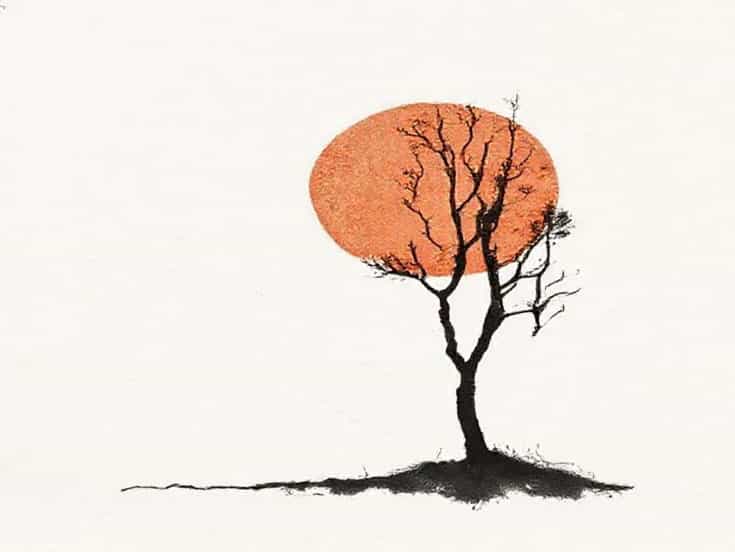
Oil-based printmaking ink is a type of ink specifically formulated for use in traditional printmaking techniques such as etching, engraving, lithography, and woodcut printing. Unlike water-based inks, oil-based inks provide rich, vibrant colors, superior coverage, and durability, making them a preferred choice for professional artists and printmakers. These inks have been used for centuries and remain popular due to their ability to produce high-quality prints with deep, consistent tones. Understanding oil-based printmaking ink, including its composition, application, advantages, and safety considerations, is essential for anyone interested in the art of printmaking or exploring its professional techniques.
Composition of Oil-Based Printmaking Ink
Oil-based printmaking ink is typically composed of three main ingredients pigments, drying oils, and additives. Each component plays a crucial role in determining the ink’s consistency, color, and print quality.
Pigments
Pigments are the colorants that provide the visual intensity and vibrancy of the ink. They can be natural or synthetic and vary in opacity, lightfastness, and hue. High-quality pigments are essential for achieving strong, long-lasting colors in printmaking. The choice of pigment can also influence the texture and finish of the final print.
Drying Oils
Drying oils, such as linseed oil, walnut oil, or poppy oil, act as binders, helping the pigment adhere to the printing surface and ensuring a smooth, workable consistency. These oils allow the ink to remain pliable during application while eventually drying to a stable, durable film. The type of oil used can affect drying time, gloss, and color saturation.
Additives
Additives are sometimes included to modify the properties of the ink, such as its flow, consistency, or drying speed. Waxes, resins, and stabilizers may be used to achieve a particular effect or to make the ink easier to work with on different printing surfaces.
Types of Oil-Based Printmaking Ink
There are several types of oil-based inks, each designed for specific printmaking methods and desired outcomes.
Relief Printing Ink
Used for woodcut, linocut, and other relief printing techniques, relief inks are thick and highly pigmented, allowing for bold, solid impressions on paper. They are designed to sit on the surface of the block rather than soak in, producing crisp edges and strong contrasts.
Intaglio Ink
Intaglio inks are softer and tackier, making them suitable for engraving, etching, and mezzotint. These inks are designed to settle into the incised lines of a plate and be wiped from the surface, creating subtle textures and tonal variation in the print.
Lithography Ink
Lithographic inks are formulated to interact with the grease-treated lithographic stones or plates. They are smooth and have a controlled consistency that allows the ink to adhere only to the intended areas while being repelled from non-image areas.
Application Techniques
Using oil-based printmaking ink requires specific techniques to achieve high-quality results. Each type of printmaking method has unique steps for applying and transferring the ink.
In Relief Printing
The ink is typically rolled onto the raised surface of a woodblock or linoleum plate using a brayer. Careful control ensures even coverage and prevents excess ink from filling recessed areas. Paper is then pressed onto the inked block to create the final print.
In Intaglio Printing
Ink is applied to the etched or engraved plate using a palette knife or dabber. The surface is then carefully wiped, leaving ink only in the recessed lines. The plate is placed on a press with dampened paper, which absorbs the ink from the grooves to produce a detailed, textured print.
In Lithography
Ink is applied to a prepared stone or metal plate using rollers. The greasy image areas attract the oil-based ink, while water-treated non-image areas repel it. The paper is then pressed onto the surface to transfer the image.
Advantages of Oil-Based Printmaking Ink
Oil-based printmaking ink offers several benefits that make it a preferred choice among professional printmakers
- Rich and vibrant colors that produce deep, intense prints.
- Excellent coverage, allowing for smooth, uniform application.
- Durability, ensuring prints remain stable and fade-resistant over time.
- Flexibility, as it can be used in multiple printmaking techniques.
- Long working time, which allows artists to manipulate the ink for detailed and layered effects.
Considerations and Challenges
Working with oil-based inks requires attention to certain considerations, particularly regarding drying times and cleanup. These inks can take several days to fully dry, and the use of solvents is often necessary for cleaning tools and palettes. Artists must also ensure proper ventilation when working with these inks to avoid inhaling fumes. While oil-based inks offer superior print quality, they demand patience and skill in handling.
Safety and Environmental Considerations
Oil-based printmaking inks often contain solvents and oils that can be harmful if not handled properly. It is essential to work in a well-ventilated area, wear gloves, and follow safety guidelines for storage and disposal. Many artists are now exploring low-toxicity oil-based inks, which reduce environmental impact and minimize health risks while retaining the desirable qualities of traditional inks.
Storage and Maintenance
Proper storage of oil-based printmaking ink is important to maintain its consistency and color quality. Inks should be kept in airtight containers, away from direct sunlight and extreme temperatures. Occasionally, inks may need to be stirred or conditioned with a small amount of oil to restore optimal working consistency. Correct storage ensures longevity and reduces waste.
Oil-based printmaking ink is an essential material for traditional printmaking techniques, providing vibrant colors, excellent coverage, and long-lasting results. Its composition, including pigments, oils, and additives, allows for flexibility and versatility across different printing methods such as relief, intaglio, and lithography. While handling oil-based inks requires care, attention to drying times, and proper safety measures, the results are highly rewarding for artists seeking rich, detailed, and professional-quality prints. Understanding the characteristics, application techniques, and best practices for oil-based printmaking ink is crucial for anyone interested in this classic and enduring art form.