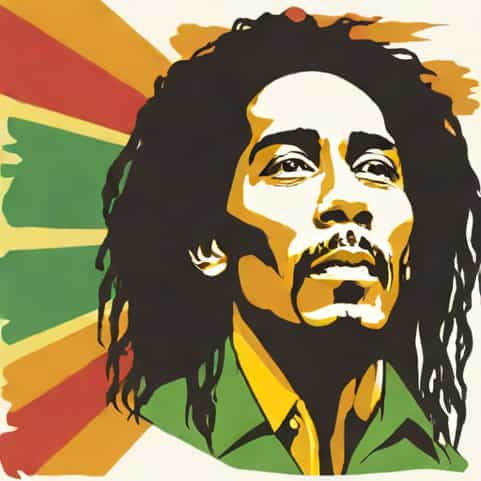
Bob Marley, the legendary reggae musician and cultural icon, left an indelible mark on the world through his music, philosophy, and advocacy for peace and unity. Known for songs like No Woman, No Cry, One Love, and Redemption Song, Marley became a global symbol of hope and resilience. However, his life was tragically cut short, leaving fans and the world to wonder of what did Bob Marley die? Understanding the circumstances of his death not only provides insight into his personal struggles but also highlights the importance of early detection and awareness of serious health issues.
The Illness That Led to Bob Marley’s Death
Bob Marley died on May 11, 1981, at the age of 36. The cause of death was complications from melanoma, a severe form of skin cancer. In 1977, Marley was first diagnosed with a malignant melanoma that had developed under the nail of his toe. At the time, the melanoma appeared as a dark spot under his toenail, which he initially ignored, believing it to be a minor injury sustained while playing football. Unfortunately, the cancer gradually spread to other parts of his body, ultimately becoming life-threatening.
Understanding Melanoma
Melanoma is a type of skin cancer that develops in melanocytes, the cells responsible for producing the pigment melanin. While it often begins as a dark or irregularly shaped spot on the skin, it can also develop under fingernails, toenails, or even inside the body in rare cases. Melanoma is particularly dangerous because it can metastasize, or spread, to other organs if not treated early. In Bob Marley’s case, the melanoma initially started under his toenail and eventually spread to his brain, lungs, and liver.
Early Symptoms and Warning Signs
Early detection of melanoma is crucial for successful treatment. Some of the warning signs include
- Unusual dark spots or streaks under nails
- Changes in the size, shape, or color of moles
- Persistent sores that do not heal
- Itching, tenderness, or pain in a mole or spot
- Rapidly changing skin lesions
Unfortunately, in Marley’s situation, the location of the melanoma under his toenail made it easy to overlook, and his initial reluctance to seek immediate medical intervention allowed the cancer to progress over several years.
Bob Marley’s Decision Regarding Treatment
After his diagnosis in 1977, Bob Marley faced difficult choices regarding treatment. The standard medical recommendation for his melanoma was amputation of the affected toe to prevent the cancer from spreading. However, Marley, who was deeply committed to his Rastafarian beliefs, refused full amputation, as it conflicted with his spiritual and cultural values. Instead, he opted for less invasive treatments, which included a partial removal of the toenail and surrounding tissue. This decision, while respecting his personal beliefs, unfortunately allowed the melanoma to continue spreading.
The Progression of the Disease
Over the next few years, Marley continued to tour and perform despite his declining health. The cancer eventually metastasized, affecting critical organs. By 1980, he was experiencing significant pain and fatigue, which impacted his ability to perform. Despite his illness, Marley remained dedicated to his music, touring internationally and recording some of his most memorable works, including the album Uprising, which contains the song Redemption Song. Unfortunately, the cancer ultimately proved too aggressive to control.
Medical Complications Leading to Death
The melanoma that began under Bob Marley’s toenail spread to his brain, lungs, and liver. This metastasis caused multiple organ failures and ultimately led to his death. In his final days, Marley sought treatment at several medical facilities, including a hospital in Miami. Despite receiving care, the progression of metastatic melanoma was too advanced, and he passed away on May 11, 1981. His death highlighted the severity of untreated or late-diagnosed melanoma and underscored the need for public awareness about skin cancer.
Legacy and Awareness
Bob Marley’s death brought attention to melanoma and the importance of early detection. His life story emphasizes that even seemingly minor health issues should not be ignored, particularly those involving changes in skin or nails. Awareness campaigns today stress regular skin checks, timely medical consultations, and protective measures against excessive sun exposure, all of which can reduce the risk of melanoma and save lives.
Impact of Bob Marley’s Death on the World
The death of Bob Marley had a profound impact on fans worldwide. Beyond music, Marley’s life and legacy became a symbol of social justice, unity, and spiritual resilience. His passing at a young age served as a reminder of the fragility of life and the importance of taking health seriously. In the decades following his death, Marley’s influence continued to grow, inspiring generations of musicians, activists, and listeners.
Tributes and Memorials
Following his death, numerous tributes celebrated Bob Marley’s contributions to music and culture. His home in Jamaica became a museum, and his songs remain widely performed and recorded. Marley’s family and foundation continue to promote his message of peace, love, and unity, ensuring that his artistic and humanitarian legacy endures. Many fans and public health advocates also use his story to educate others about melanoma and cancer prevention.
Lessons from Bob Marley’s Life and Death
Reflecting on Bob Marley’s passing teaches important lessons about health, resilience, and legacy. While Marley chose to respect his personal beliefs in how he handled his illness, his story underscores the critical importance of early medical intervention and awareness of serious diseases. It also highlights the human spirit’s capacity to continue creating and inspiring even in the face of adversity. Marley’s music remains a testament to hope, joy, and unity, reminding the world of the enduring power of artistic expression.
Of what did Bob Marley die? He passed away due to complications from melanoma, a severe form of skin cancer that spread throughout his body. Despite his illness, he remained committed to his music, philosophy, and spiritual beliefs until the end. His death brought global attention to the dangers of melanoma and the importance of early detection, while his life and work continue to inspire millions. Bob Marley’s legacy demonstrates that even in the face of mortality, the impact of one’s creativity, vision, and dedication can endure far beyond a lifetime.