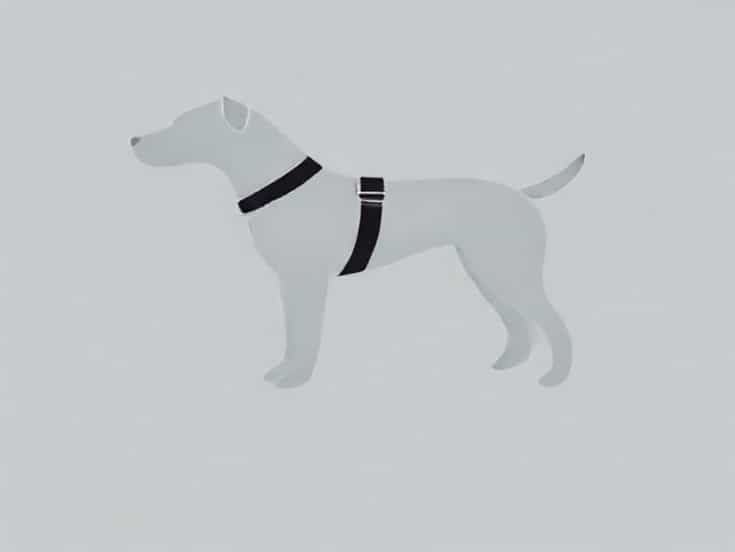
Many dog owners eventually notice that their pets experience discomfort when wearing certain types of harnesses, especially during longer walks or outdoor adventures. A common issue is chafing irritation caused by friction and pressure. This problem can lead to hair loss, red skin, and sensitivity around areas like the chest, underarms, or neck. Because of this, many people search for a no chafe dog harness that offers comfort, safety, and durability. A harness designed to prevent chafing helps make walking more enjoyable for both pets and their owners, reducing stress and discomfort while improving control.
What Is a No Chafe Dog Harness?
A no chafe dog harness is designed to reduce friction and pressure points. Instead of rough material or poorly placed straps, these harnesses focus on padding, fit, and soft fabrics. The design ensures that the harness sits comfortably on the dog’s body without rubbing or pinching during movement. This makes it ideal for dogs with sensitive skin, active dogs, or breeds with short hair that are more prone to irritation.
Unlike traditional collars, a no chafe harness distributes pressure across the chest and shoulders rather than concentrating force on the neck. This reduces strain and can help prevent injuries or discomfort, especially for dogs that pull or have trachea sensitivity.
Benefits of Using a No Chafe Dog Harness
There are many advantages to choosing this type of harness, especially if your dog frequently experiences irritation from standard harness designs.
Comfortable for Daily Use
Padding around key contact points makes the harness softer and more comfortable. Dogs can wear a no chafe dog harness for longer periods without skin damage or irritation.
Better Movement and Control
A well-designed harness follows the dog’s natural movement. It should allow free running, walking, and playing while giving the owner better control.
Reduced Risk of Injury
With the weight distributed across the torso instead of the neck, the harness minimizes pressure on the windpipe and reduces the chance of choking or coughing, especially for puppies or brachycephalic breeds.
Ideal for Sensitive Skin
Dogs prone to allergies, skin irritation, or dermatitis benefit greatly from softer materials and careful design that eliminates rubbing.
- Less pulling strain
- More freedom of motion
- Better long-term comfort
- Suitable for active lifestyles
Features to Look for in a No Chafe Dog Harness
Not all harnesses labeled no chafe offer the same quality or effectiveness. When choosing one, it’s helpful to pay attention to certain features.
Soft, Breathable Material
Fabric plays a major role. Many high-quality harnesses use mesh, neoprene, or cushioned padding that prevents friction and allows air flow. Breathable fabric helps prevent overheating during long walks or warm days.
Adjustability
A proper fit is essential to prevent chafing. A good no chafe harness must offer adjustable points, allowing owners to fine-tune the fit around the neck, chest, and belly.
Secure Buckles and Stitching
Durability matters. Strong stitching and secure buckles help ensure the harness lasts, even for active or strong dogs.
Design That Avoids Arm Rubbing
The underarm area is one of the most common places where chafing occurs. A well-designed no chafe dog harness keeps straps clear of friction zones.
Common Dog Breeds That Benefit from a No Chafe Harness
Some breeds are more prone to discomfort due to coat type, body shape, or temperament. The following dogs often benefit from a no chafe dog harness
- Greyhounds and Whippets
- French Bulldogs and Pugs
- Chihuahuas and Toy breeds
- Pit Bulls and Boxers
- Shorthair working breeds
These breeds may have sensitive skin, thick muscle structure, or breathing challenges that make a comfortable harness especially important.
How to Fit a No Chafe Dog Harness Properly
Even the best harness may cause irritation if it doesn’t fit correctly. Taking time to fit it properly helps ensure maximum comfort and safety.
Measure the Chest and Neck
Use a measuring tape to measure your dog’s chest at its widest point. Also measure the neck circumference where the harness will sit. Compare these numbers with the manufacturer’s size chart.
Adjust Gradually
Begin with a loose fit, then gradually tighten until it is snug but not restrictive. You should be able to fit two fingers comfortably under the strap.
Observe Movement
Walk your dog and watch for rubbing or shifting. A no chafe harness should stay in place even as the dog moves or pulls.
Care and Maintenance
To ensure longevity and hygiene, routine care is necessary. Dirt, moisture, and oils can build up and lead to chafing if not cleaned.
- Wash the harness regularly
- Let it dry completely before use
- Inspect stitching and buckles for wear
- Replace pads if available and worn out
Keeping the harness clean also prevents odors and skin infections.
Signs Your Dog Needs a No Chafe Harness
If your dog shows irritation, it may be time to switch to a softer design. Common signs include
- Red or irritated skin
- Hair loss under straps
- Scratching or biting at the harness area
- Discomfort when walking
These signs should not be ignored, as continued irritation may lead to infections or discomfort during walks.
A no chafe dog harness can make a huge difference in comfort and safety during walks or outdoor play. With the right design, material, and fit, it prevents irritation and supports natural movement while providing effective control. Dog owners who prioritize comfort and skin health often find that investing in a no chafe harness results in happier walks, improved behavior, and a better bonding experience. Choosing the right harness means paying attention to fit, quality, padding, and durability to ensure long-term comfort for your dog.