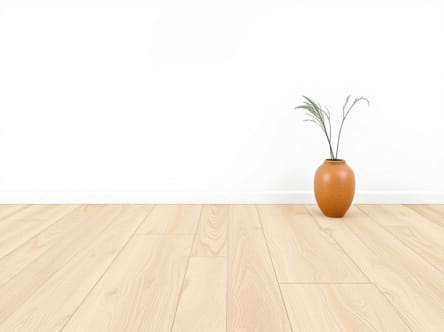
In recent years, natural linoleum flooring has gained renewed popularity across the UK, particularly among homeowners and designers looking for sustainable, durable, and stylish flooring options. Unlike synthetic alternatives, natural linoleum is made from renewable resources, making it an eco-conscious choice. Its resilience, vibrant colours, and ease of maintenance further enhance its appeal for residential and commercial interiors. Whether for kitchens, hallways, or schools, this flooring combines functionality with aesthetic value, offering a long-lasting surface that contributes to a healthier indoor environment.
What Is Natural Linoleum Flooring?
Natural linoleum flooring is a resilient floor covering made from a blend of natural materials, primarily linseed oil, wood flour, cork dust, resins, and natural pigments. It is typically backed with jute, a strong and biodegradable fibre. Unlike vinyl, which is petroleum-based, natural linoleum is biodegradable and emits very low levels of VOCs (volatile organic compounds), contributing to better indoor air quality.
Key Components
- Linseed oil: Extracted from flax seeds, it oxidises and binds the materials together
- Wood flour: Adds strength and smoothness
- Cork dust: Enhances resilience and insulation
- Natural pigments: Provide colour without synthetic dyes
- Jute backing: Gives the flooring structure and flexibility
This combination of materials results in a floor that is both tough and environmentally responsible making it an ideal choice for sustainable building projects in the UK and beyond.
Why Choose Natural Linoleum Flooring in the UK?
For UK homeowners and commercial property managers, natural linoleum flooring offers numerous advantages beyond its eco-friendly credentials. Its long-lasting performance, design flexibility, and low maintenance requirements make it particularly suited to the varied British climate and lifestyle.
Eco-Friendly and Sustainable
One of the primary reasons people in the UK opt for natural linoleum is its environmental benefits. With the country pushing towards greener building standards, natural materials are increasingly in demand. Linoleum’s renewable ingredients and biodegradability make it a sustainable alternative to vinyl or laminate flooring.
Durability and Longevity
When properly maintained, natural linoleum can last 20 to 40 years. It is naturally antibacterial, resistant to heavy foot traffic, and doesn’t easily show wear or scratches. This makes it suitable for both residential use and high-traffic areas such as schools, hospitals, and retail spaces in cities like London, Manchester, and Birmingham.
Wide Range of Designs
Modern manufacturing techniques allow for an extensive palette of colours and patterns. From traditional marbled effects to contemporary solids and geometric patterns, linoleum fits seamlessly into a wide range of interior styles from classic Victorian townhouses to minimalist flats and modern offices.
Hypoallergenic and Safe
Natural linoleum is free from PVC, plasticisers, and synthetic chemicals often found in other flooring materials. It doesn’t off-gas harmful substances and resists bacteria naturally, making it a smart choice for homes with allergy sufferers or small children.
Applications in Homes and Public Buildings
Thanks to its versatility, natural linoleum flooring is used in various environments throughout the UK.
Domestic Spaces
- Kitchens: Resists spills and stains, comfortable underfoot
- Bathrooms: Naturally resistant to water when properly sealed
- Hallways: Withstands constant foot traffic
- Living rooms: Adds warmth and colour to modern interiors
Commercial and Public Use
- Schools and universities: Durable and easy to clean
- Healthcare facilities: Antibacterial properties aid hygiene
- Libraries and museums: Offers quietness and elegance
- Retail shops: Visually appealing and resilient under pressure
The ability to combine performance and style makes natural linoleum ideal for virtually any setting where durability and aesthetics matter.
Installation and Maintenance
Installing natural linoleum flooring requires a smooth, clean subfloor and precise cutting to ensure a snug fit. It is typically glued down, although click-lock versions are also available for easier installation. Professional installation is recommended, especially for larger areas or intricate patterns.
Maintenance Tips
- Sweep or vacuum regularly to remove dust and debris
- Use a damp mop with pH-neutral cleaners
- Avoid soaking the floor with water
- Apply a protective finish or polish annually to maintain shine and durability
With regular care, natural linoleum retains its colour and performance for decades, making it a cost-effective solution in the long run.
Popular Brands and Availability in the UK
Several well-known flooring brands manufacture high-quality natural linoleum that is readily available in the UK market. These brands offer a broad selection of styles and sizes, often accompanied by warranties and technical support.
Where to Buy
- Local flooring retailers across the UK
- Eco-friendly building supply stores
- Online flooring specialists with delivery options nationwide
With many British homeowners increasingly opting for sustainable living, demand for natural linoleum is growing steadily. Whether you live in an urban flat or a countryside cottage, there are plenty of suppliers that can cater to your flooring needs.
Cost Considerations
Natural linoleum is generally priced mid-range compared to other flooring types. While it may be slightly more expensive than vinyl, its durability and lifespan make it more economical over time. Prices in the UK vary depending on the brand, thickness, and design, but typically range between £25 and £45 per square metre, not including installation.
Factors That Affect Price
- Room size and complexity of layout
- Quality and brand of linoleum
- Installation method and labour cost
- Any subfloor preparation needed
Budget-conscious homeowners should also consider the long-term value fewer replacements and minimal upkeep contribute to lower total costs over the product’s lifetime.
Environmental Certifications and Standards
Natural linoleum flooring often carries environmental certifications that confirm its eco-credentials. In the UK, many products meet or exceed standards set by environmental bodies such as:
- BREEAM (Building Research Establishment Environmental Assessment Method)
- FloorScore for indoor air quality
- Cradle to Cradle certification
These certifications ensure the flooring has been produced responsibly and will contribute positively to sustainable building goals.
Natural linoleum flooring in the UK is more than just a trend it’s a practical, sustainable, and stylish choice for homes and commercial spaces alike. With its unique combination of eco-friendliness, durability, design variety, and health benefits, it continues to be a preferred flooring solution for those who value both performance and sustainability. As demand for green building materials rises, natural linoleum stands out as a timeless and forward-thinking investment for any interior space.