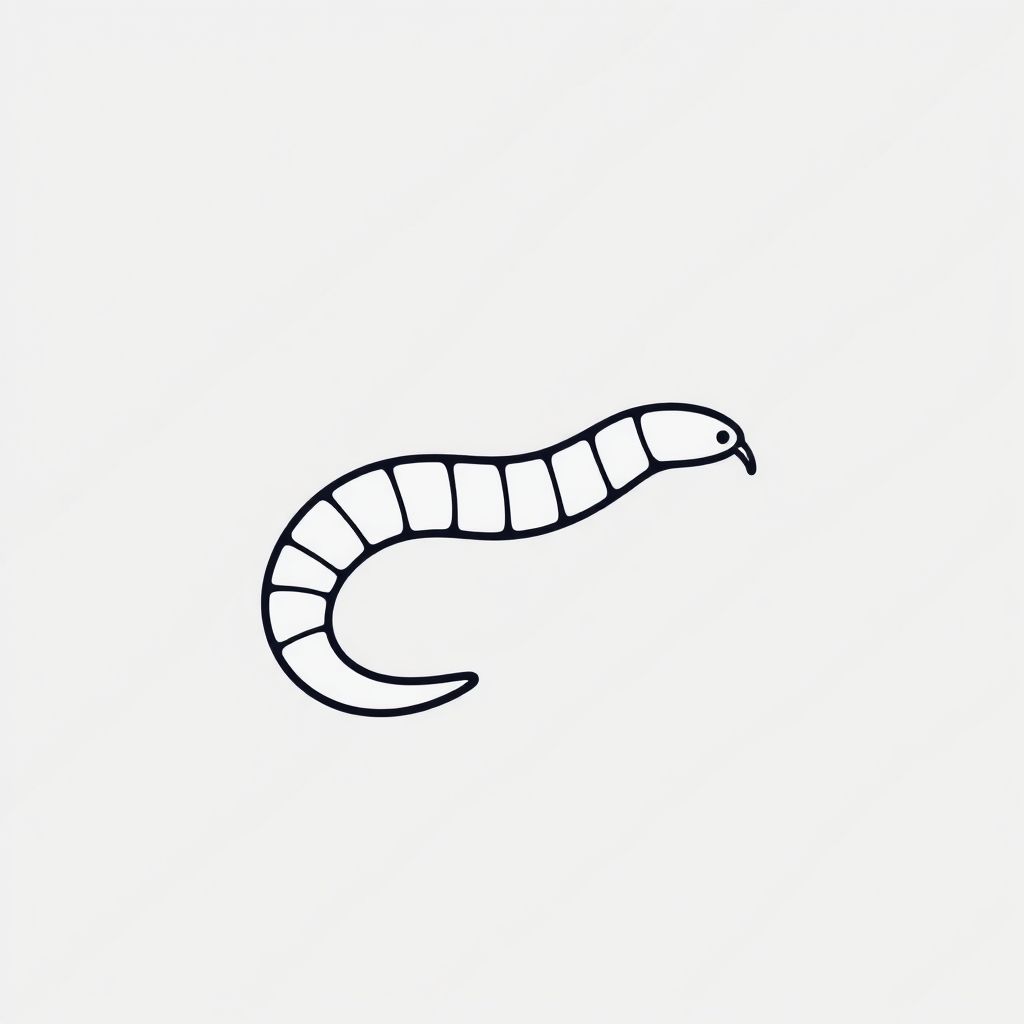
Blood-feeding animals have fascinated scientists and nature enthusiasts alike for centuries. Among these creatures, sanguivorous annelids hold a unique place due to their specialized feeding habits and important roles in both ecological and medical contexts. These segmented worms feed on the blood of other organisms and have adapted remarkable mechanisms to locate, attach to, and extract blood efficiently. This topic explores the concept of sanguivorous annelids, focusing on identifying a prominent example and understanding its biology, behavior, and significance.
What is a Sanguivorous Annelid?
Sanguivorous annelids are a subgroup of the phylum Annelida, which includes segmented worms such as earthworms and leeches. The term ‘sanguivorous’ comes from Latin, meaning ‘blood-eating.’ These annelids have evolved to feed primarily on the blood of other animals, distinguishing them from other annelids that typically consume soil, detritus, or small organisms.
Being blood feeders, these worms have specialized mouthparts and physiological adaptations that allow them to pierce the skin of their hosts and prevent blood clotting during feeding. This adaptation ensures a steady flow of blood, which is crucial for their survival.
Key Characteristics of Sanguivorous Annelids
- Segmented Body: Like all annelids, sanguivorous species have a segmented body plan which allows for flexibility and efficient movement.
- Suckers: Most sanguivorous annelids possess suckers that help them attach firmly to their host during feeding.
- Anticoagulant Secretions: Their saliva contains anticoagulants to keep the host’s blood flowing.
- Sensory Adaptations: They can detect heat, movement, or chemical cues to locate a suitable host.
Name a Sanguivorous Annelid: The Medicinal Leech (Hirudo medicinalis)
Perhaps the most famous example of a sanguivorous annelid is the medicinal leech, scientifically known asHirudo medicinalis. This species has a long history of use in medicine, dating back thousands of years, primarily for bloodletting and therapeutic purposes.
Biology and Anatomy of Hirudo medicinalis
The medicinal leech typically grows to about 1015 centimeters in length and has a dorsoventrally flattened body that facilitates movement through water and over hosts. Its body is covered with tiny, sensitive receptors that help detect changes in the environment, including the presence of potential hosts.
Two suckers play crucial roles in feeding and movement: the anterior sucker, which houses the jaw and mouthparts for attachment and blood extraction, and the posterior sucker, which helps anchor the leech securely.
Feeding Mechanism
Hirudo medicinalis locates a host by sensing body heat and chemical signals. Upon attachment, it uses its sharp, saw-like jaws to make a small incision in the skin. As it feeds, the leech injects saliva containing a powerful anticoagulant called hirudin, which prevents the blood from clotting. This ensures continuous blood flow, allowing the leech to consume a significant volume of blood relative to its body size.
Ecological and Medical Importance
Role in the Ecosystem
In their natural habitats freshwater environments like ponds, lakes, and slow-moving streams medicinal leeches contribute to the food web as both predators and prey. By feeding on blood, they can regulate the populations of certain animals, while also serving as food for fish and birds.
Use in Medicine
Historically, medicinal leeches were used for bloodletting, a practice believed to cure various ailments. In modern times, they have experienced a resurgence in microsurgery and reconstructive medicine. Leeches help improve blood circulation in reattached limbs or skin grafts by reducing venous congestion through their anticoagulant saliva. This capability makes them invaluable in complex surgeries.
Other Examples of Sanguivorous Annelids
While Hirudo medicinalis is the most well-known, other leech species also display sanguivorous behavior. These include:
- Haemadipsa picta: Also known as the tiger leech, found in Southeast Asia, it is a notorious blood feeder on mammals and humans.
- Haemopis sanguisuga: Sometimes called the horse leech, though it feeds on small invertebrates, it can occasionally display sanguivorous tendencies.
- Macrobdella decora: The North American medicinal leech, which also feeds on blood and is used for medical purposes.
Adaptations Allowing Sanguivory
To thrive as blood feeders, sanguivorous annelids have evolved several fascinating adaptations. Their anticoagulant hirudin not only prevents blood from clotting but also has been studied extensively for its potential therapeutic applications in preventing blood clots in humans. Additionally, their muscular, segmented bodies and suckers allow them to move quickly and attach securely to hosts.
Sensory Capabilities
Leeches possess specialized sensory organs that detect vibrations, heat, and chemical signals. These adaptations enable them to locate warm-blooded animals in their environment and target the best feeding spots. Their behavior is highly adapted to minimize detection and maximize feeding efficiency.
Conservation and Ethical Considerations
Though leeches are beneficial in medical settings, wild populations face threats from habitat destruction and pollution. Sustainable harvesting and breeding programs have been established to ensure that medical leeches are available without harming natural ecosystems.
Ethically, the use of leeches in medical procedures is carefully regulated. While some patients may be hesitant, the benefits in specific surgeries outweigh concerns, and ongoing research continues to improve humane treatment and usage protocols.
The medicinal leech,Hirudo medicinalis, stands as the quintessential example of a sanguivorous annelid, illustrating how evolution has shaped an organism’s biology and behavior around the specialized niche of blood feeding. With significant ecological roles and valuable medical applications, these segmented worms are both fascinating and important. Understanding their biology not only enhances our knowledge of annelid diversity but also underscores the complex relationships between species in nature and human health.