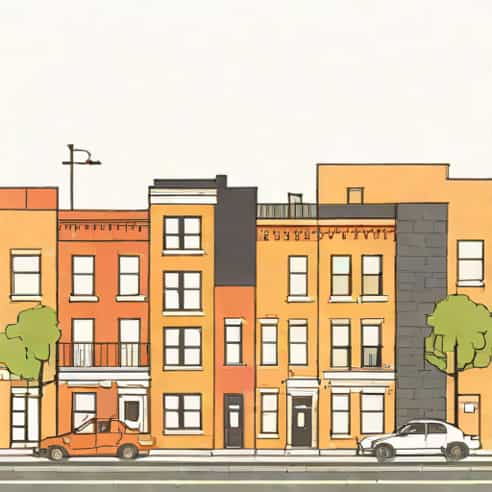
Gentrification is a word that often appears in news topics, social discussions, and city planning conversations. In simple terms, it describes a process where older or poorer neighborhoods are transformed as new people, usually wealthier, move in. This change brings new shops, renovated buildings, and rising property prices. While gentrification can make a place look nicer and safer, it also has serious effects on the people who have lived there for many years. Understanding what gentrification means and how it affects communities helps us see both its good and bad sides.
What Does Gentrification Really Mean?
The simplest way to explain gentrification is this it happens when an area that used to be affordable and maybe a bit neglected becomes popular among people with more money. These new residents start buying or renting homes, renovating properties, and attracting new businesses. Soon, the neighborhood begins to look different cleaner streets, trendy cafés, modern apartments, and art galleries replace old stores and low-cost housing.
The word itself comes from gentry, which means people of a higher social class. So, gentrification literally means the process of making an area suitable for wealthier people, often at the cost of pushing out the poorer ones. This shift is not just about buildings it’s about culture, identity, and who gets to belong in a community.
How Does Gentrification Start?
Gentrification doesn’t happen overnight. It usually starts with small changes that seem positive. Maybe a new coffee shop opens, an old building gets renovated, or young professionals start moving in because the area is cheaper than other parts of the city. Over time, more people notice the neighborhood’s charm and potential. Developers and investors see an opportunity to make profit, so they buy properties and raise rents.
As rents and property values rise, long-time residents often working-class families find it harder to afford living there. They might have to move to other, less expensive areas. This slow process of replacement changes the community’s character and economy.
Common Signs of Gentrification
- New and expensive shops or restaurants replacing older local businesses.
- Rising rent prices and property taxes.
- Renovation or demolition of old houses and buildings.
- Increase in new residents with higher incomes.
- Changes in the neighborhood’s culture or identity.
Positive Effects of Gentrification
Although gentrification is often criticized, it also brings certain benefits. Many people see it as a sign of urban renewal the improvement of neglected areas. Here are a few positive impacts that come with gentrification.
1. Better Infrastructure and Services
When wealthier people move into an area, local governments and private developers tend to invest more money in that neighborhood. Roads get fixed, parks are cleaned, and public transportation improves. This can make the community safer and more attractive for everyone.
2. Increased Property Value
For homeowners, gentrification can be good news because their property value goes up. They can sell their homes for more money than before, giving them financial opportunities that didn’t exist previously.
3. Economic Growth and New Opportunities
Gentrification often brings new businesses like restaurants, boutiques, and coworking spaces. These businesses create jobs and stimulate local economies. The area becomes livelier, attracting tourists and visitors who spend money in the community.
Negative Effects of Gentrification
However, the benefits of gentrification come with a price. The biggest problem is that it often pushes out the people who lived in the neighborhood long before it became trendy. The changes that make a place more attractive can also make it unaffordable for many.
1. Displacement of Long-Time Residents
As rents rise, families who have lived in a neighborhood for generations may no longer be able to pay their monthly bills. They are forced to move to cheaper areas, often far from their jobs, schools, and social networks. This process, called displacement, breaks apart communities and weakens local culture.
2. Loss of Cultural Identity
Many neighborhoods have strong cultural traditions and identities from food and music to community gatherings. When new residents move in, they sometimes bring different lifestyles that don’t match the local culture. Over time, the old traditions fade away, replaced by new ones that reflect the tastes of newcomers.
3. Rising Cost of Living
It’s not just housing that becomes expensive. The price of everything from groceries to coffee can increase. Local shops that used to serve working-class families may close because they can’t afford higher rents or because their usual customers have moved away.
Real-Life Examples of Gentrification
Gentrification can be seen in many cities around the world. In New York City, neighborhoods like Brooklyn and Harlem have changed dramatically over the past few decades. Once known for their cultural roots and affordable housing, these areas are now home to luxury apartments and high-end stores. In London, areas such as Brixton and Hackney have gone through similar transformations. Even in smaller cities, the same pattern can appear when local governments promote urban development projects.
Why Gentrification Matters
Understanding gentrification matters because it affects more than just real estate. It raises questions about fairness, equality, and the right to stay in one’s home. Cities are made of people, not just buildings. When old residents are pushed out, a part of the city’s soul disappears. Policymakers and city planners must find ways to improve neighborhoods without removing the people who give them life.
Can Gentrification Be Fair?
Some experts argue that gentrification can be managed in a fairer way. For example, cities can create affordable housing programs or rent control policies to help long-time residents stay in their homes. Developers can work with communities to make sure new projects respect local culture and history.
Possible Solutions
- Building affordable housing alongside new developments.
- Offering tax benefits to local homeowners to help them stay.
- Supporting small local businesses through funding or rent protection.
- Encouraging community involvement in urban planning decisions.
In simple words, gentrification is the process of a neighborhood changing as new, wealthier people move in. It brings both improvement and displacement. Streets become cleaner, businesses thrive, and houses are renovated, but long-time residents often pay the price by losing their homes and communities. The challenge for modern cities is finding balance keeping neighborhoods vibrant and safe without erasing the people and culture that made them special in the first place. Understanding the meaning of gentrification helps us think more deeply about what kind of cities we want to build and who we want them to serve.