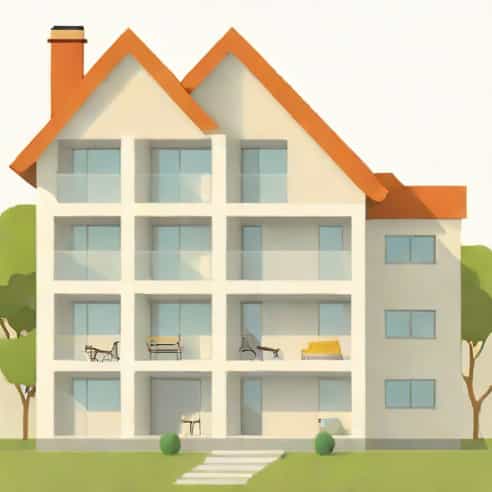
Lüscher Bucher Theiler Architekten AG (sometimes styled Lüscher Bucher Theiler Architekten GmbH) is an architectural firm based in Lucerne (Luzern), Switzerland, known for designing projects that balance contemporary design, sustainability, and sensitivity to local context. Founded in 1999, the office (often abbreviated LBTA) handles everything from new buildings to renovations in historically or environmentally sensitive areas. Their work emphasizes both conceptual clarity and practical implementation, meeting both aesthetic and functional demands.
Firm Overview and Philosophy
Lüscher Bucher Theiler Architekten AG is committed to developing built environments that serve the needs of their clients while respecting place, landscape, and architectural heritage. The firm undertakes projects ranging from housing developments, commercial buildings, and urban infill to ambitious new neighborhoods. They are particularly interested in complex tasks projects in dense settlement areas, in historically sensitive districts, or in landscapes where form, view, and context matter greatly. They also engage in studies and consultations, not just final construction. Their philosophy leans toward clarity, responsibility, and collaboration with clients, engineers, and contractors.
History and Key Facts
The firm was founded in 1999. Since then, it has grown steadily, operating from its Lucerne base. It is registered in Swiss company records and is active in both renovation and new building work. It is a member of Swiss professional architect and engineering associations, which reflects its commitment to quality, regulation, and public standards. Over the years, LBTA has built a reputation for thoughtful design and attention to both architectural form and user needs.
Team and Management
The leadership of the firm includes multiple partners and principals. Among them are Sibylle Theiler Rindlisbacher, Franz Bucher-Suanzes, and others who manage not only design tasks but also client relations and project coordination. The firm’s structure appears to allow for shared responsibility, which supports their capacity to take on diverse and large-scale projects.
Notable Projects and Contributions
LBTA has completed a variety of projects that highlight both innovative design and sensitivity to surroundings. Some of its most visible work includes residential complexes, housing developments, and mixed-use buildings, often in Swiss localities. One standout project is the Wohnüberbauung Im Bethlehem in Immensee, which illustrates many of the firm’s strengths.
Wohnüberbauung Im Bethlehem, Immensee
This is a major development undertaken for the Missionshaus Bethlehem in Immensee. It’s designed to create affordable housing (Mietwohnungen) in a manner attentive to the landscape and local context. The project includes multiple phases, is planned with care for resident quality of life, and involves features like wheelchair access, garden roofs, and carefully composed outdoor spaces. It reflects LBTA’s interest in socially conscious architecture.
Projects in Lucerne and the Region
Other projects by LBTA are spread in and around Lucerne. These include apartment complexes, infill housing in denser neighborhood settings, renovations, and new construction that engages with historic fabric or sensitive urban scale. The firm often works in complex settings steep terrain, view corridors, or existing building textures. Some of these projects have been recognized in architectural portfolios and Swiss architecture listings.
Design Approach and Architectural Features
LBTA tends to approach design with both pragmatism and creativity. Some hallmarks of their architectural language include the following
- Responsive to contextAdaptation to landscape, natural light, viewlines, and local character.
- Material honestyUse of materials that age well, interfaces that feel grounded, and construction details that emphasize craftsmanship.
- Sustainability considerationsProjects include features for energy efficiency, accessible design, and attention to environmental impact. They aim for thoughtful integration rather than flashy technologies alone.
- Human scale and usabilityTheir housing and residential designs focus on livability balconies, shared outdoor areas, walkability, and ease of access. They aim not just for architectural statements but for places people enjoy living in.
Sustainability and Community Focus
One element that emerges repeatedly in LBTA projects is the consideration of community needs and sustainability. For instance, in Im Bethlehem, the design is not just about buildings but about creating environments pedestrian-friendly, accessible, equitable, and respectful of natural surroundings. Their projects often involve green spaces, garden roofs or roofs used as outdoor areas, and efforts to reduce car-dependence in neighborhood design.
Challenges and Architectural Complexity
Working in Switzerland, especially in Lucerne and its neighboring cantons, brings particular challenges terrain, historical context, strict zoning regulations, climates with pronounced seasons, and high expectations for architectural quality. LBTA has taken on projects in sensitive landscapes and historic districts, where balancing innovation with heritage preservation is tricky. Their ability to handle renovations and new builds side by side shows their adaptability.
Recognition and Professional Standing
LBTA is recognized in Swiss architectural directories and its projects are featured in architectural publications. It holds memberships in Swiss professional bodies for architects and engineers, which indicates its trustworthiness and adherence to professional standards. Their portfolio’s visibility and selection for contests or public tenders speaks to their reputation.
Lüscher Bucher Theiler Architekten AG is a key contributor to contemporary Swiss architecture. They combine care for place and community with design clarity and architectural integrity. Their projects like Im Bethlehem showcase how architecture can be socially responsible, sensitive to context, and still compelling and original. For anyone interested in architecture that respects user needs, environment, and the beauty of light, space, and form, LBTA represents an inspiring firm whose work continues to shape housing and urban life in Lucerne and beyond.