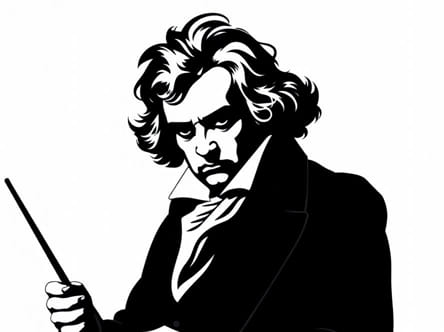
Ludwig van Beethoven is widely regarded as one of the most influential and iconic composers in the history of Western music. Musicologists and scholars alike have studied his works extensively, examining not only the technical mastery but also the emotional depth and innovation that characterize his compositions. Beethoven’s music continues to captivate audiences around the world, offering insight into the transition from the Classical era to the Romantic period. His life, creative process, and enduring legacy have made him a central figure in music history, inspiring countless musicians and researchers to explore his contributions in depth.
Early Life and Musical Beginnings
Born in Bonn, Germany, in 1770, Ludwig van Beethoven demonstrated remarkable musical talent from an early age. His father, recognizing his potential, attempted to cultivate Beethoven as a child prodigy similar to Mozart. Musicologists note that his early exposure to piano, violin, and composition laid the foundation for a lifetime of musical innovation. Beethoven’s formative years included rigorous training and performances that honed his technical skills, preparing him for the challenges of the professional music world. These early experiences influenced his compositional style and contributed to his reputation as a prodigious talent.
Transition to Vienna
In 1792, Beethoven moved to Vienna, a cultural hub for musicians and composers. Here, he studied with prominent figures, including Joseph Haydn, and began establishing himself as a virtuoso pianist and innovative composer. Musicologists emphasize that Vienna provided Beethoven with opportunities to interact with other great minds, exposing him to emerging musical trends and allowing him to refine his distinctive style. This period also marked the beginning of his career as a composer of symphonies, sonatas, and chamber music that would eventually define his legacy.
Innovations in Composition
Beethoven is known for pushing the boundaries of musical form and expression. Musicologists frequently highlight his symphonies, sonatas, and string quartets as exemplars of innovation. His compositions exhibit dramatic contrasts, dynamic range, and intricate structural designs. For example, the Eroica Symphony” challenged conventional symphonic structures, incorporating bold harmonic progressions and thematic development. Beethoven’s ability to convey profound emotion through music has been a focus of scholarly study, demonstrating how he combined technical skill with expressive depth to create works that remain compelling centuries later.
Symphonies and Orchestration
Beethoven’s symphonies are perhaps his most celebrated contributions to music. Musicologists analyze each symphony for its innovative use of orchestration, thematic material, and emotional narrative. The Ninth Symphony, which includes the famous “Ode to Joy,” exemplifies his skill in combining vocal and instrumental elements to achieve a transcendent musical experience. Scholars have noted that Beethoven’s approach to orchestration expanded the possibilities of the symphony, influencing generations of composers who followed. His works in this genre continue to be studied for their structural complexity and emotive power.
Piano Sonatas and Solo Works
In addition to his orchestral works, Beethoven made significant contributions to piano music. His sonatas display technical brilliance, expressive depth, and innovative use of the instrument. Musicologists often reference works like the “Moonlight Sonata” and “Appassionata Sonata” as examples of his ability to merge lyrical beauty with virtuosic technique. These compositions reveal Beethoven’s understanding of the piano as both a solo instrument and a medium for conveying profound emotional narratives. His solo works remain central to the study of piano repertoire and performance practice.
Chamber Music and Innovation
Beethoven also transformed the realm of chamber music. His string quartets, particularly the late quartets, are studied for their structural ingenuity and emotional intensity. Musicologists recognize that these works break from classical conventions, incorporating complex counterpoint, unconventional harmonic progressions, and introspective character. Beethoven’s chamber music reflects both his personal struggles and his philosophical insights, offering listeners a deeply intimate connection to his creative world. These compositions have set benchmarks in the study of chamber music and continue to inspire performers and scholars.
Challenges and Personal Struggles
Despite his remarkable achievements, Beethoven faced significant personal challenges, most notably progressive hearing loss. Musicologists often examine how his deafness influenced his compositional style, noting that he continued to write some of his most profound works even as his hearing deteriorated. This adversity is seen as a testament to his resilience and dedication to music. Scholars analyze letters, diaries, and contemporary accounts to understand how Beethoven’s personal experiences shaped his creative output, revealing a man whose inner world profoundly informed his musical legacy.
Impact on Music History
Beethoven’s influence on music history cannot be overstated. Musicologists assert that his work bridged the Classical and Romantic eras, introducing new expressive possibilities and technical innovations. His compositions inspired countless composers, including Schubert, Brahms, and Mahler, who sought to emulate his emotional depth and structural ingenuity. Beethoven’s music is studied not only for its historical significance but also for its continued relevance in contemporary performance and interpretation. His ability to communicate universal human emotions ensures that his work remains vital to the study of Western music.
Musicological Studies and Legacy
Musicologists have dedicated extensive research to understanding Beethoven’s life, works, and compositional techniques. Analytical studies examine harmony, thematic development, orchestration, and performance practices. Biographical research provides insights into his personal life, influences, and historical context. The combination of technical analysis and historical study allows scholars to appreciate the complexity of Beethoven’s contributions. Musicologists continue to publish topics, conduct symposia, and perform critical editions of his works, ensuring that his legacy is preserved and interpreted accurately for future generations.
Public Perception and Cultural Influence
Beyond the academic sphere, Beethoven has become a cultural icon recognized worldwide. His image and music symbolize artistic genius, emotional depth, and resilience in the face of adversity. Public performances of his works are celebrated events, and recordings continue to reach broad audiences. Musicologists note that his influence extends into popular culture, inspiring films, literature, and visual arts. Beethoven’s ability to transcend time and remain relevant speaks to the universality of his musical language and the enduring appeal of his compositions.
Key Contributions to Music
- Expanded the structural and emotional range of symphonies and orchestral works.
- Revolutionized piano music through expressive and technically demanding sonatas.
- Innovated chamber music, especially string quartets, with complex forms and introspection.
- Bridged the Classical and Romantic eras, influencing subsequent generations of composers.
- Demonstrated resilience and creativity despite personal hardships, notably deafness.
Ludwig van Beethoven is celebrated by musicologists and the general public alike for his extraordinary contributions to Western music. His innovative approach to composition, emotional depth, and technical mastery have left an indelible mark on music history. From symphonies to piano sonatas and chamber works, his legacy continues to inspire musicians, scholars, and listeners around the world. By studying his life and works, musicologists gain valuable insights into the evolution of musical expression, the challenges of artistic creation, and the enduring power of music to communicate universal human experiences. Beethoven’s genius, resilience, and influence ensure that his place in the pantheon of great composers remains secure for generations to come.