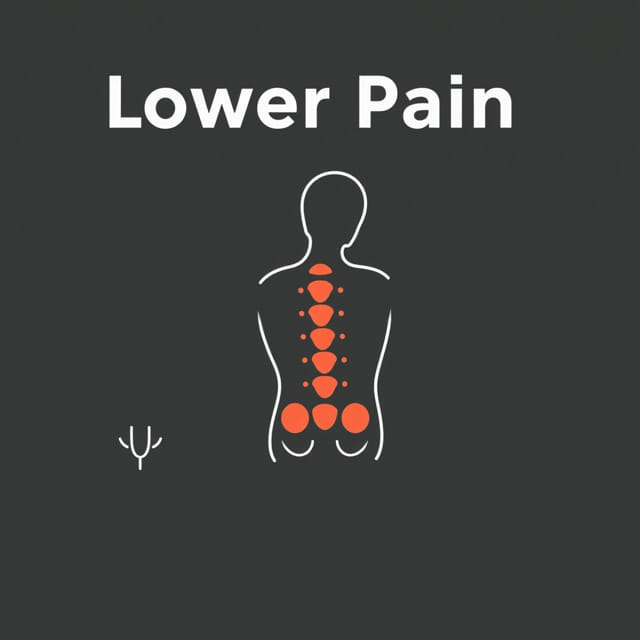
Lower back pain is one of the most common complaints among adults worldwide, often affecting daily activities, work productivity, and overall quality of life. While many cases respond to conservative treatments such as physical therapy, medication, and lifestyle modifications, some individuals suffer from chronic or severe pain that persists despite these interventions. For these patients, advanced medical procedures like lower back pain implantation may be considered. These implantations, which include devices such as spinal cord stimulators or intrathecal drug delivery systems, aim to provide targeted pain relief directly at the source, improving function and quality of life.
Understanding Lower Back Pain Implantation
Lower back pain implantation refers to the surgical placement of medical devices designed to alleviate chronic pain in the lumbar region. The primary types of implants include spinal cord stimulators (SCS) and intrathecal pumps, each with distinct mechanisms and clinical applications. These devices are typically reserved for patients with persistent pain that has not responded to conservative measures, including physical therapy, medications, or injections. The implantation process requires careful evaluation to determine the most appropriate type of device and ensure optimal outcomes.
Spinal Cord Stimulators
Spinal cord stimulators are small devices implanted under the skin, usually in the lower back or abdomen, with electrodes placed near the spinal cord. These electrodes deliver electrical impulses to the nerves responsible for transmitting pain signals, effectively masking the perception of pain. Patients can adjust the stimulation using an external controller, allowing for personalized pain management. SCS is particularly effective for neuropathic pain, failed back surgery syndrome, and certain types of radicular pain.
Intrathecal Drug Delivery Systems
Intrathecal pumps, also known as pain pumps, deliver medication directly into the cerebrospinal fluid surrounding the spinal cord. This targeted delivery allows for lower doses of medication compared to oral administration, reducing systemic side effects while maintaining effective pain control. Medications commonly used include opioids, local anesthetics, and muscle relaxants. The pump is implanted under the skin, and the catheter is carefully positioned to deliver medication to the specific area of the spine responsible for pain. Regular refills and monitoring are necessary to ensure the device continues to provide effective pain relief.
Indications for Implantation
Not every patient with lower back pain is a candidate for implantation. Ideal candidates typically exhibit chronic, severe pain that has failed to respond to conservative treatments. Common indications include
- Failed back surgery syndrome (persistent pain after spinal surgery)
- Complex regional pain syndrome affecting the lower extremities
- Neuropathic pain originating from spinal nerve damage
- Severe, disabling radicular pain
Before considering implantation, patients usually undergo a comprehensive evaluation including medical history, physical examination, imaging studies, and sometimes a trial stimulation period for SCS to assess effectiveness before permanent implantation.
The Implantation Procedure
The implantation procedure involves several steps, beginning with preoperative preparation and assessment. For spinal cord stimulators, a trial period is often conducted with temporary leads to ensure the patient experiences significant pain relief. Once confirmed, permanent leads and a pulse generator are implanted under the skin. For intrathecal pumps, the device is implanted under the abdominal wall, with the catheter positioned near the spine. Both procedures are typically performed under local or general anesthesia, and patients may require a short hospital stay depending on the complexity of the procedure.
Postoperative Care
After implantation, patients receive detailed instructions on device management, activity restrictions, and wound care. Pain relief may be noticeable immediately for some patients, while others may require programming adjustments over several weeks to optimize outcomes. Follow-up appointments are essential to monitor the device function, medication levels for intrathecal pumps, and overall patient progress. Regular device maintenance and battery checks are crucial for sustained pain control.
Benefits of Lower Back Pain Implantation
Lower back pain implantation offers several advantages over traditional treatment methods for chronic pain. These benefits include
- Targeted pain relief at the source, reducing the need for systemic medications
- Improved quality of life by enhancing mobility and daily functioning
- Adjustable and customizable treatment, allowing patients to control stimulation levels or medication doses
- Reduction in reliance on opioids and other oral medications, minimizing systemic side effects
- Potential for long-term pain management with sustained relief
Risks and Considerations
As with any surgical procedure, lower back pain implantation carries potential risks and complications. Patients should discuss these thoroughly with their healthcare providers. Common risks include
- Infection at the implantation site
- Device malfunction or lead migration
- Bleeding or hematoma formation
- Nerve injury resulting in altered sensation or motor function
- Need for revision surgery in case of device failure or complications
Proper patient selection, surgical expertise, and postoperative monitoring are essential to minimize these risks and ensure optimal outcomes. Not all patients achieve complete pain relief, and some may continue to require adjunctive therapies.
Long-Term Management
Lower back pain implantation is not a cure for underlying conditions but a tool to manage chronic pain effectively. Patients often continue physical therapy, lifestyle modifications, and complementary treatments to maximize benefits. Device settings may be periodically adjusted based on changing pain patterns, activity levels, and lifestyle needs. Regular follow-up is critical to address any complications, battery replacements, or medication refills for intrathecal pumps.
Lower back pain implantation offers an advanced solution for individuals suffering from chronic, debilitating pain that has not responded to conventional treatments. By providing targeted pain relief through spinal cord stimulators or intrathecal drug delivery systems, these procedures can significantly improve patient mobility, functionality, and quality of life. While the procedures involve careful assessment, surgical expertise, and ongoing management, the benefits often outweigh the risks for appropriately selected patients. Healthcare providers should guide patients through the evaluation, implantation, and follow-up processes, ensuring informed decisions and effective pain management strategies. With proper care and monitoring, lower back pain implantation can be a life-changing intervention for those struggling with persistent lumbar pain, offering renewed comfort and the ability to engage in daily activities with less discomfort and improved confidence.