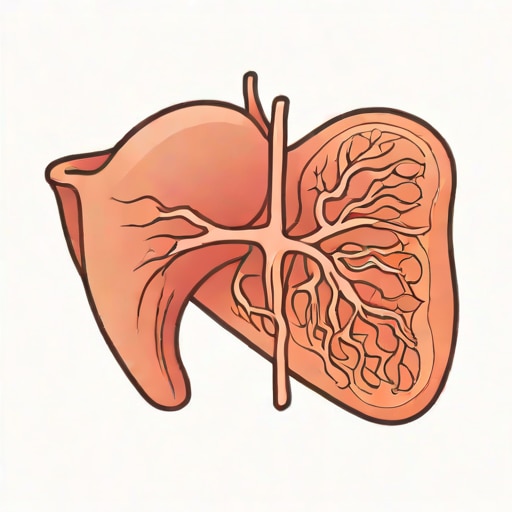
Liver abscess with septicemia is a serious medical condition that requires prompt diagnosis and treatment due to its potential to become life-threatening. This condition occurs when a localized collection of pus forms within the liver, usually caused by bacterial, parasitic, or fungal infections, and subsequently leads to the spread of infection throughout the bloodstream, resulting in septicemia. Patients with liver abscess often present with a range of symptoms including fever, abdominal pain, nausea, and malaise, but the presence of septicemia can escalate the situation rapidly, causing systemic inflammation, organ dysfunction, and even death if untreated. Understanding the causes, symptoms, diagnostic approaches, and treatment options for liver abscess with septicemia is critical for healthcare professionals and the general public to recognize early warning signs and seek immediate medical care.
Causes of Liver Abscess
Liver abscesses are typically classified into three main types based on their underlying cause pyogenic, amoebic, and fungal. Each type has distinct origins and risk factors that contribute to the development of the abscess and the potential for septicemia.
Pyogenic Liver Abscess
Pyogenic liver abscess is the most common form, caused by bacterial infection. Bacteria can reach the liver through various routes, including
- Portal vein from gastrointestinal infections such as appendicitis or diverticulitis
- Biliary tract infections like cholangitis
- Direct spread from adjacent organs
- Hematogenous spread through systemic bacteremia
Common bacteria involved includeEscherichia coli,Klebsiella pneumoniae, andStaphylococcus aureus. Individuals with weakened immune systems, diabetes, or liver disease are at higher risk of developing pyogenic liver abscesses.
Amoebic Liver Abscess
Amoebic liver abscess is caused by the parasiteEntamoeba histolytica, which is typically transmitted through contaminated food or water. The parasite travels from the intestines to the liver via the portal vein, where it forms abscesses. Amoebic liver abscesses are more common in tropical and subtropical regions with poor sanitation.
Fungal Liver Abscess
Fungal liver abscesses are relatively rare and usually occur in immunocompromised patients, such as those undergoing chemotherapy or organ transplantation. Candida species are the most frequent culprits, and these abscesses carry a high risk of septicemia if not treated promptly.
Understanding Septicemia
Septicemia, also known as blood poisoning or sepsis, occurs when the infection from the liver abscess enters the bloodstream, causing systemic inflammation. This can lead to septic shock, multiple organ failure, and even death if left untreated. Septicemia manifests with symptoms such as high fever, chills, rapid heart rate, low blood pressure, confusion, and shortness of breath. The combination of liver abscess and septicemia significantly increases morbidity and mortality, emphasizing the need for early detection and aggressive treatment.
Symptoms of Liver Abscess with Septicemia
The clinical presentation of liver abscess with septicemia can vary depending on the underlying cause and the patient’s health status. Common symptoms include
- Persistent high fever and chills
- Right upper quadrant abdominal pain or tenderness
- Nausea, vomiting, and loss of appetite
- Jaundice or yellowing of the skin and eyes
- Malaise and fatigue
- Confusion or disorientation in severe cases of septicemia
- Rapid heart rate and low blood pressure indicating systemic infection
Prompt recognition of these symptoms is crucial for timely intervention and to prevent complications such as liver rupture or widespread organ failure.
Diagnosis
Diagnosing liver abscess with septicemia involves a combination of clinical evaluation, laboratory testing, and imaging studies. Healthcare providers rely on these methods to confirm the presence of an abscess, identify the causative pathogen, and assess the severity of septicemia.
Laboratory Tests
- Complete blood count (CBC) to detect elevated white blood cells indicating infection
- Blood cultures to identify the bacteria or fungi causing septicemia
- Liver function tests to evaluate hepatic injury
- Serological tests for amoebic antibodies if a parasitic cause is suspected
Imaging Studies
Imaging plays a vital role in diagnosing liver abscesses. Common imaging modalities include
- Ultrasound Often the first-line tool due to its accessibility and ability to detect fluid collections
- CT Scan Provides detailed images of the liver and surrounding structures, useful for planning drainage
- MRI Occasionally used for complex cases or when precise anatomical information is required
Treatment Approaches
Management of liver abscess with septicemia requires a combination of antimicrobial therapy, supportive care, and sometimes interventional procedures. Early treatment is critical to prevent life-threatening complications.
Antibiotic and Antimicrobial Therapy
Broad-spectrum antibiotics are typically initiated as soon as septicemia is suspected. Once the causative organism is identified through blood cultures, therapy is tailored to target the specific pathogen. Amoebic abscesses require anti-parasitic medications such as metronidazole, while fungal abscesses are treated with antifungal agents. The duration of therapy can range from two to six weeks, depending on the response to treatment and the severity of the infection.
Drainage and Surgical Intervention
In many cases, especially when the abscess is large or not responding to medication, drainage is necessary. This can be achieved through
- Percutaneous drainage under imaging guidance
- Surgical drainage in complex or multiloculated abscesses
Drainage helps remove infected material, relieve pressure on the liver, and accelerate recovery. In severe septicemia, supportive measures such as intravenous fluids, vasopressors, and intensive care monitoring are essential.
Complications
If left untreated, liver abscess with septicemia can lead to severe complications, including
- Septic shock and multiple organ failure
- Rupture of the liver abscess into the peritoneal cavity
- Formation of secondary infections in other organs
- Long-term liver dysfunction
Early intervention and continuous monitoring are crucial to prevent these outcomes and improve patient survival rates.
Prevention and Risk Management
While not all cases of liver abscess can be prevented, certain measures can reduce the risk
- Maintaining good hygiene and safe food practices to prevent parasitic infections
- Managing chronic illnesses such as diabetes that increase susceptibility to infection
- Prompt treatment of biliary tract and gastrointestinal infections
- Regular medical check-ups for individuals with immunocompromising conditions
Awareness of risk factors and early symptoms is key to preventing severe outcomes associated with liver abscess and septicemia.
Liver abscess with septicemia is a life-threatening condition that requires immediate medical attention. Understanding the causes, symptoms, diagnostic methods, and treatment options is essential for improving outcomes. Early recognition, prompt initiation of antimicrobial therapy, and, when necessary, abscess drainage significantly enhance the chances of recovery. Public awareness, combined with advances in medical care, allows healthcare providers to manage this condition more effectively, minimizing complications and mortality. Patients and caregivers must remain vigilant for symptoms such as fever, abdominal pain, and confusion, which may indicate the presence of a liver abscess complicated by septicemia, and seek urgent care to ensure timely intervention and recovery.