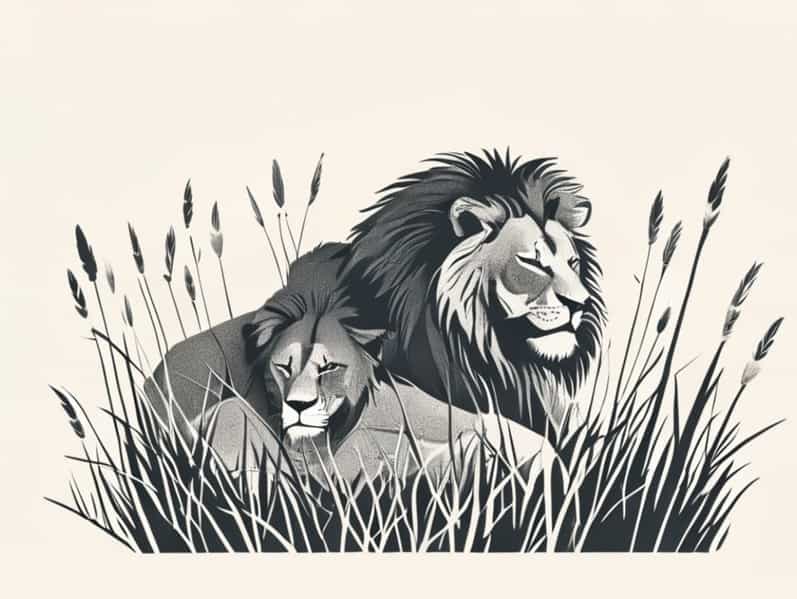
Lions are among the most iconic predators of the African savannah, known for their power, social structure, and strategic hunting techniques. One of the most fascinating behaviors observed in lions is their tendency to hunker down in tall grass, a tactic that serves multiple purposes in their survival and hunting strategies. This behavior allows them to remain hidden from prey, avoid detection by rival predators, and conserve energy during the heat of the day. Understanding why and how lions use tall grass as both a refuge and a hunting advantage provides insight into their ecological role, their social interactions, and the delicate balance of predator-prey dynamics in the wild. Observing lions in this context highlights their intelligence, patience, and adaptability in challenging environments.
Why Lions Hunker Down in Tall Grass
The tall grasses of the African savannah provide lions with essential cover and camouflage. By blending into their surroundings, lions can remain undetected by herbivores such as zebras, wildebeests, and antelopes, increasing their chances of a successful hunt. This concealment is particularly important because lions rely on stealth and the element of surprise rather than sustained speed to catch prey. Additionally, hunkering down in grass helps lions avoid threats, including humans or rival predators such as hyenas and leopards, who might challenge them for territory or food.
Camouflage and Stealth
Lions’ tawny coats are perfectly suited to the golden-brown hues of tall savannah grass. When they crouch low to the ground, only their eyes and tips of ears may be visible, making them nearly invisible from a distance. This camouflage allows lions to observe prey without revealing their presence, planning the timing and direction of their attack with remarkable precision. The ability to stay hidden for extended periods demonstrates not only physical adaptation but also patience and intelligence in their hunting strategies.
Temperature Regulation and Energy Conservation
During the peak hours of the day, the African sun can be intensely hot. By hunkering down in tall grass, lions gain natural shade, which helps them regulate body temperature and avoid overheating. This behavior conserves energy for the critical moments of a hunt, usually occurring during the cooler early morning or late evening hours. Lions are ambush predators, and conserving energy is essential to their success, as they may need short bursts of speed to capture agile prey.
The Hunting Advantage of Tall Grass
Lions’ use of tall grass is not just about hiding; it is an integral part of their hunting strategy. By positioning themselves within the cover, lions can silently stalk prey and approach closer without detection. When they are within striking distance, usually 20 to 30 meters, lions explode into a short, rapid sprint, taking advantage of the element of surprise. The dense grass reduces the visual field of prey animals, giving the predator a crucial edge. This combination of camouflage, patience, and timing is key to the lions’ effectiveness as apex predators.
Cooperative Hunting in Grasslands
Lions are social animals, often hunting in groups called prides. Hunkering down in tall grass allows multiple lions to coordinate silently, surrounding prey or creating strategic ambush points. Each lion has a role some lions drive prey toward hidden ambushers, while others block potential escape routes. This cooperative strategy is highly effective, as it increases the success rate of hunts and strengthens social bonds within the pride. Cooperation in hunting also reduces the energy expenditure of individual lions and ensures that even less experienced hunters can participate and learn from the group.
Prey Selection and Strategy
Lions use tall grass to target specific prey. They often select weaker or younger animals, or those separated from the herd, because the grass provides cover for approaching undetected. Lions also consider the terrain, wind direction, and visibility when positioning themselves in grass, demonstrating advanced environmental awareness. By combining these factors, lions maximize their chances of a successful hunt while minimizing risk and effort. Observing lions in action reveals their adaptability and strategic intelligence, emphasizing that their hunting success is not solely based on strength but also on careful planning.
Behavioral Observations in the Wild
Wildlife researchers and safari enthusiasts frequently report sightings of lions hunkered down in tall grass, often motionless for hours at a time. These observations reveal that lions are not always active and aggressive; instead, much of their survival depends on patience and observation. The behavior also reflects their instincts to protect pride members, particularly cubs, from potential threats. By remaining hidden, lions can monitor the environment for danger, providing early warnings and maintaining the safety of vulnerable members of the group.
Interaction with Other Predators
Tall grass provides lions with a tactical advantage not only against prey but also when dealing with other predators. Lions can remain hidden from hyenas, leopards, and other competing carnivores, reducing the likelihood of confrontations. This ability to stay concealed helps lions protect their kills, avoid unnecessary fights, and maintain dominance over their territory. The grass acts as a natural barrier and surveillance point, enhancing their ability to control their environment.
Impact on the Ecosystem
Lions’ behavior of hunkering down in tall grass has broader ecological implications. By preying on certain animals and avoiding others, lions help regulate herbivore populations, contributing to a balanced ecosystem. Their hunting patterns influence where prey graze, indirectly shaping vegetation growth and biodiversity. Additionally, the presence of lions affects the behavior of other carnivores, creating a dynamic web of predator-prey interactions that maintains the health of the savannah ecosystem. Observing lions in grasslands provides insights into these complex relationships and highlights the importance of apex predators in natural habitats.
Conservation Considerations
Understanding the behavior of lions, including their tendency to hunker down in tall grass, is essential for conservation efforts. Habitat loss due to agriculture, urbanization, and climate change threatens the availability of natural cover and hunting grounds. Protecting grasslands and ensuring that lions have sufficient territory are crucial for their survival. Conservationists use knowledge of lions’ behavior to design wildlife reserves, plan anti-poaching measures, and implement strategies that reduce human-wildlife conflict. Maintaining natural grasslands not only benefits lions but also supports entire ecosystems dependent on these habitats.
Tourism and Education
Observing lions hunkered down in tall grass offers educational opportunities for safari visitors and wildlife enthusiasts. Learning about their stealth, hunting strategies, and social dynamics fosters appreciation for their role in the ecosystem. Tourism based on responsible wildlife observation can provide funding for conservation programs and promote awareness of the challenges lions face in the wild. Visitors gain a deeper understanding of predator-prey relationships and the importance of protecting natural habitats for future generations.
Lions hunkering down in tall grass represent one of the most remarkable adaptations of these apex predators. This behavior combines stealth, patience, environmental awareness, and cooperative strategy to ensure survival, protect the pride, and maintain ecological balance. By observing and understanding this behavior, we gain insights into the intelligence, strength, and adaptability of lions, as well as the delicate interplay between predators, prey, and the environment. Protecting their grassland habitats and ensuring conservation efforts continue is essential to preserving these magnificent creatures and the ecosystems they support. The image of lions hidden in the swaying tall grass reminds us of the subtle power of nature, the importance of strategy and patience, and the enduring mystery of life on the savannah.