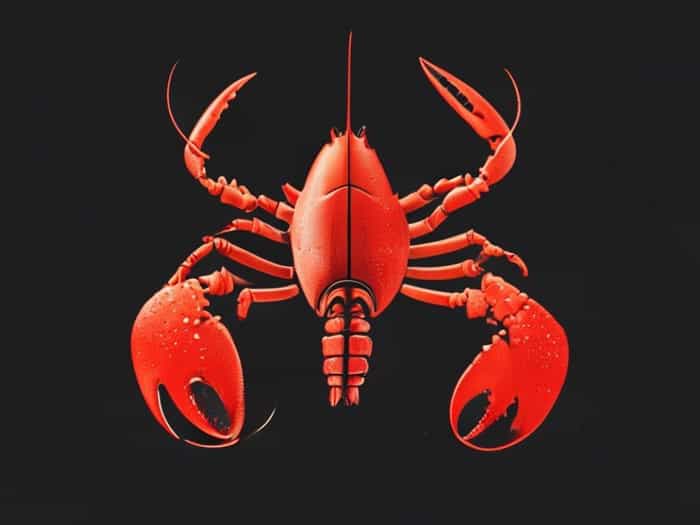
The ocean has long fascinated humans with its vastness and the incredible creatures that inhabit it, and few marine animals capture the imagination quite like lobsters. Known for their distinctive claws, hard shells, and delicious meat, lobsters can grow to impressive sizes under the right conditions. Over the years, there have been reports of exceptionally large lobsters being caught, capturing the attention of scientists, fishermen, and seafood enthusiasts alike. Understanding the largest lobster ever caught involves looking at its size, weight, age, and the circumstances surrounding its capture, as well as the ecological factors that allow such extraordinary growth.
The Record-Breaking Lobster
The largest lobster ever recorded was caught off the coast of Nova Scotia, Canada, in 1977. This legendary lobster weighed an astonishing 44 pounds and measured over 3.5 feet from claw to tail. Its size made it a marvel of marine biology and a symbol of the extraordinary potential of lobsters under favorable environmental conditions. This specimen remains a benchmark for lobster size and continues to be referenced in discussions about marine life and oceanic anomalies.
Physical Characteristics
- Weight 44 pounds (approximately 20 kilograms).
- Length Over 3.5 feet from claw to tail.
- Claw size Each claw was massive, capable of exerting significant force for hunting and defense.
- Color Typical of lobsters, a dark brownish-green, though coloration can vary with habitat and diet.
This lobster’s extraordinary size is not only remarkable in terms of physical appearance but also in its rarity. Most lobsters harvested commercially are much smaller, generally weighing between one and three pounds. The capture of such a massive lobster is a combination of genetics, environment, and longevity.
Factors Contributing to Large Lobster Growth
Lobsters grow differently than many other animals because they molt, shedding their exoskeleton to grow larger. Several factors influence how large a lobster can become, including habitat, diet, and genetic predisposition. Cold waters, like those off the coast of Nova Scotia and Maine, provide an ideal environment for lobsters to grow slowly and steadily over many years.
Longevity
Lobsters can live for several decades, with some individuals exceeding 50 years. The largest lobsters typically are also among the oldest, as slow, continuous growth over decades allows them to reach exceptional sizes. Aging lobsters is challenging, but researchers estimate that record-sized lobsters have often been alive for over 50 years before being caught.
Diet and Nutrition
A lobster’s diet consists mainly of fish, mollusks, and various forms of marine vegetation. Access to abundant and diverse food sources enables optimal growth. Larger lobsters may benefit from territories rich in prey, allowing them to consume the nutrients necessary to reach record sizes.
Genetics
Genetic factors also play a crucial role in determining maximum size. While the environment is essential, some lobsters are naturally predisposed to grow larger than others. The combination of favorable genetics and ideal environmental conditions can result in extraordinary specimens like the largest lobster ever caught.
Other Notable Large Lobsters
While the 44-pound lobster remains the largest on record, several other massive lobsters have been caught and documented around the world. These lobsters provide additional insight into the potential growth of these crustaceans and have become part of marine folklore and scientific interest.
- 34-pound lobster caught off the coast of Maine in 1992.
- 27-pound lobster captured near Nova Scotia in 2009.
- 25-pound lobster taken in Newfoundland waters in 2012.
These examples highlight that while extremely large lobsters are rare, they are not unique. Each capture draws attention to the biological and ecological factors that allow such growth and provides valuable opportunities for study and conservation awareness.
Conservation and Ethical Considerations
The capture of giant lobsters raises questions about sustainability and ethics. Large lobsters often play important roles in their ecosystems, contributing to the balance of marine habitats. Conservationists argue that releasing exceptionally large lobsters back into the ocean can help maintain breeding populations and genetic diversity. In some regions, regulations exist to protect oversized lobsters or set minimum and maximum size limits for harvesting to ensure sustainable fisheries.
Protecting Breeding Populations
Large lobsters are often highly reproductive, producing thousands of eggs each year. Protecting these individuals helps sustain lobster populations and ensures the health of the ecosystem. Many commercial fisheries have adopted policies that encourage releasing giant lobsters back into the wild to preserve genetic diversity and support future generations.
Ethical Harvesting Practices
Fishermen are encouraged to follow ethical practices when harvesting lobsters, including adhering to size limits and handling the animals with care to reduce stress and injury. By respecting these guidelines, both commercial and recreational lobster harvesting can continue without jeopardizing the survival of exceptionally large individuals or the broader lobster population.
Cultural and Scientific Impact
The story of the largest lobster ever caught has fascinated the public and inspired scientific interest. Beyond its impressive size, this lobster symbolizes the mysteries of marine life and the potential for growth and longevity in nature. Researchers study giant lobsters to understand growth patterns, environmental influences, and the biology of aging in crustaceans. In popular culture, these massive lobsters often appear in news reports, documentaries, and exhibitions, captivating audiences with their sheer scale.
Public Fascination
The record-breaking lobster remains a symbol of human curiosity and the wonders of the natural world. Photographs, museum displays, and media coverage of giant lobsters draw attention to marine ecosystems and highlight the importance of sustainable fishing practices. These stories inspire interest in ocean conservation and marine biology, encouraging people to learn more about the habitats that support such extraordinary creatures.
The largest lobster ever caught, weighing 44 pounds and measuring over 3.5 feet, stands as a testament to the incredible potential of marine life. Factors such as longevity, diet, genetics, and environmental conditions all contribute to the extraordinary size of these creatures. While rare, other notable large lobsters have been documented, demonstrating that exceptional growth, while uncommon, is part of the natural variability of the species. The capture of such lobsters also underscores the importance of conservation and ethical harvesting practices, ensuring that these remarkable creatures continue to thrive in the oceans. From scientific study to public fascination, the story of the largest lobster ever caught continues to inspire awe and curiosity, reminding us of the mysteries that still lie beneath the waves.