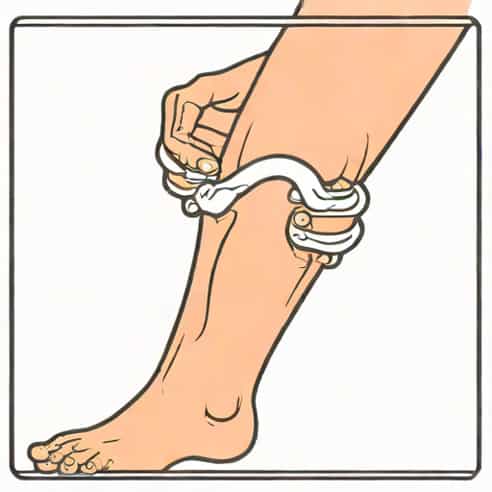
Knee cartilage damage is a common condition that affects people of all ages, from young athletes to older adults dealing with joint wear and tear. The cartilage in the knee plays a vital role in cushioning the joint, allowing smooth movement, and protecting the bones from friction. When this cartilage becomes damaged, even simple activities like walking, climbing stairs, or standing for long periods can become painful and difficult. Understanding knee cartilage damage treatment is important for anyone experiencing knee discomfort, stiffness, or reduced mobility.
Understanding Knee Cartilage and Its Function
Knee cartilage is a smooth, rubber-like tissue that covers the ends of the bones inside the knee joint. It allows the bones to glide smoothly against each other and absorbs shock during movement. There are two main types of cartilage in the knee articular cartilage, which covers the bones, and meniscus cartilage, which acts as a shock absorber between the thigh bone and shin bone.
When either type of cartilage is damaged, the joint loses its natural protective layer. This can lead to pain, swelling, stiffness, and reduced range of motion. Over time, untreated cartilage damage may contribute to the development of osteoarthritis.
Common Causes of Knee Cartilage Damage
Knee cartilage damage can develop for many different reasons. Some causes occur suddenly, while others develop slowly over time.
- Sports injuries involving twisting or direct impact
- Repetitive stress from running or jumping
- Natural aging and joint wear
- Excess body weight increasing joint pressure
- Previous knee surgery or injury
Understanding the cause of cartilage damage helps guide the most appropriate knee cartilage damage treatment approach.
Symptoms That May Indicate Cartilage Damage
Symptoms of knee cartilage damage can vary depending on the severity and location of the injury. Some people experience mild discomfort, while others have significant limitations in daily movement.
Common symptoms include knee pain during movement, swelling, stiffness after rest, a grinding sensation, and occasional locking or catching of the knee. These warning signs should not be ignored, especially if they persist for several weeks.
Non-Surgical Knee Cartilage Damage Treatment Options
For many people, knee cartilage damage treatment begins with non-surgical methods. These approaches aim to reduce pain, control inflammation, and improve joint function without invasive procedures.
Physical Therapy and Exercise
Physical therapy is one of the most important treatments for knee cartilage damage. A trained therapist can guide patients through exercises that strengthen the muscles around the knee, especially the quadriceps and hamstrings. Stronger muscles reduce stress on the joint and improve stability.
Gentle range-of-motion exercises also help maintain flexibility and prevent stiffness.
Pain Management and Anti-Inflammatory Care
Pain relief is often achieved through rest, ice application, and anti-inflammatory medications. These options help control swelling and reduce discomfort so that patients can stay active during recovery.
Weight Management
Maintaining a healthy weight plays a major role in knee cartilage damage treatment. Every extra kilogram increases the load placed on the knee joint. Even modest weight loss can significantly reduce pain and improve mobility.
Knee Bracing and Support
Knee braces and supports help improve joint stability and distribute pressure more evenly. These devices are often used during physical activity or prolonged standing.
Injection-Based Treatments for Knee Cartilage Damage
When conservative methods are not enough, doctors may recommend injections as part of knee cartilage damage treatment. These treatments aim to reduce pain and improve joint lubrication.
Corticosteroid Injections
Corticosteroids are commonly used to reduce inflammation inside the knee joint. They can provide short-term pain relief, especially during flare-ups. However, repeated injections are usually limited due to potential side effects.
Hyaluronic Acid Injections
Hyaluronic acid injections help improve joint lubrication and cushioning. These injections may reduce stiffness and improve movement for some individuals with cartilage damage.
Platelet-Rich Plasma Therapy
Platelet-rich plasma therapy uses a concentrated solution from the patient’s own blood to promote healing. While research is still ongoing, some people experience pain relief and improved function after this treatment.
Surgical Knee Cartilage Damage Treatment Options
When non-surgical treatments fail to provide sufficient relief, surgery may be considered. The choice of procedure depends on the size, location, and severity of the cartilage damage.
Arthroscopic Debridement
This minimally invasive procedure involves smoothing damaged cartilage and removing loose fragments. It may help reduce pain and improve movement in selected cases.
Microfracture Surgery
Microfracture surgery stimulates new cartilage growth by creating small holes in the bone beneath the damaged cartilage. The body responds by forming new tissue that covers the exposed area.
Cartilage Transplant Procedures
In some cases, healthy cartilage is transplanted from another area of the knee or from a donor. This approach aims to restore a more natural cartilage surface.
Partial or Total Knee Replacement
For severe cartilage damage associated with advanced joint degeneration, knee replacement surgery may be considered. This option is usually reserved for patients with significant pain and disability.
Rehabilitation After Knee Cartilage Damage Treatment
Rehabilitation is a critical part of recovery following any form of knee cartilage damage treatment. Whether the treatment is conservative or surgical, proper rehabilitation helps restore strength, flexibility, and function.
Physical therapy after surgery typically includes controlled exercises that gradually increase in intensity. The goal is to protect the healing tissue while preventing joint stiffness and muscle weakness.
Daily Habits That Support Knee Health
In addition to medical treatment, daily habits play a major role in protecting the knee and supporting long-term joint health. Small lifestyle changes can make a meaningful difference.
- Using proper footwear with good support
- Avoiding sudden twisting motions
- Warming up before physical activity
- Strengthening the core and leg muscles
- Taking breaks during repetitive movements
These habits complement formal knee cartilage damage treatment and help reduce the risk of further injury.
The Role of Nutrition in Cartilage Health
Nutrition also plays a supportive role in knee health. A balanced diet with enough protein, vitamins, and minerals helps the body repair tissue and manage inflammation.
Nutrients such as vitamin C, vitamin D, omega-3 fatty acids, and collagen-supporting compounds may contribute to joint health. Staying well-hydrated also supports cartilage resilience.
Emotional Impact of Knee Cartilage Damage
Living with chronic knee pain can affect emotional well-being. Limited mobility may interfere with work, hobbies, and social activities. Some individuals experience frustration, anxiety, or low mood during recovery.
Emotional support from family, friends, and healthcare providers is just as important as physical treatment. Staying engaged in safe activities can help maintain a positive outlook.
How Long Does Knee Cartilage Damage Treatment Take?
Recovery time varies widely depending on the severity of the damage and the type of treatment used. Mild cases may improve within weeks using conservative methods, while surgical recovery can take several months.
Patience and consistency with rehabilitation are key factors in successful recovery. Trying to rush the process may increase the risk of re-injury.
Preventing Further Knee Cartilage Damage
Once cartilage damage has occurred, protecting the joint becomes a long-term priority. Preventive measures focus on reducing stress on the knee and maintaining strong supporting muscles.
Low-impact exercises such as swimming, cycling, and walking are often recommended over high-impact sports. Regular check-ups and early attention to knee pain help prevent small issues from becoming major problems.
When to Seek Medical Advice
Persistent knee pain, swelling, or instability should always be evaluated by a healthcare professional. Early diagnosis allows knee cartilage damage treatment to begin before the condition worsens.
Delaying treatment may lead to greater joint damage and longer recovery times.
The Long-Term Outlook for Knee Cartilage Damage
With proper knee cartilage damage treatment and supportive care, many people are able to return to their normal daily activities. While cartilage has limited natural healing capacity, modern treatments offer effective options for pain relief and functional improvement.
Long-term success often depends on maintaining a healthy lifestyle, staying active within safe limits, and following medical guidance closely.
Knee Cartilage Damage Treatment
Knee cartilage damage can be a challenging condition, but it is also highly manageable with the right approach. From physical therapy and lifestyle adjustments to advanced medical procedures, knee cartilage damage treatment offers many pathways toward recovery and improved quality of life.
By understanding the condition, recognizing early symptoms, and committing to both treatment and prevention strategies, individuals can protect their knee health and continue enjoying an active, fulfilling life.