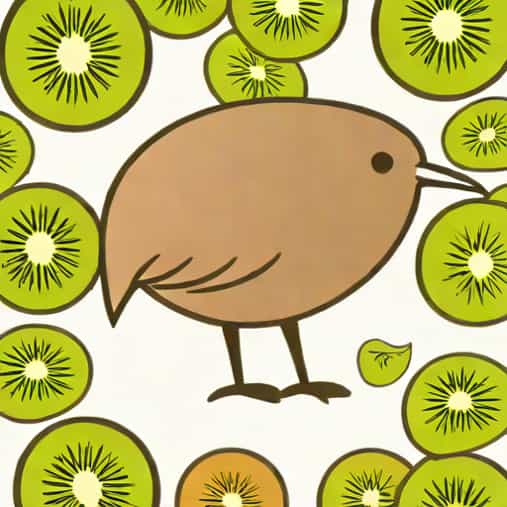
The kiwi is one of the most unique and iconic birds in the world, famous for its small size, long beak, and elusive nocturnal habits. Native to New Zealand, kiwis have fascinated scientists, birdwatchers, and nature enthusiasts for centuries due to their unusual characteristics. One of the most common questions about kiwis is whether they are flightless birds or not. The answer is yes; kiwis are indeed flightless, and this trait has profound implications for their behavior, physiology, and conservation. Understanding why kiwis cannot fly, how they navigate their environment, and what makes them unique offers insight into the evolutionary adaptations that have allowed them to survive in New Zealand’s distinct ecosystems.
Physical Characteristics of the Kiwi
Kiwis are small, round-bodied birds with brown, hair-like feathers that help them blend into the forest floor. Their wings are tiny and hidden beneath their feathers, measuring only a few centimeters, which is a key reason they are unable to fly. Unlike most birds, kiwis have no visible tail and possess strong legs, which they use for running and digging. Their beaks are long, slender, and equipped with nostrils at the tip, an unusual adaptation that allows them to detect insects and worms in the soil. These physical traits make kiwis highly specialized for a ground-dwelling, nocturnal lifestyle.
Flightlessness Explained
Flightlessness in kiwis is the result of evolutionary adaptation to an environment with few natural predators. Over millions of years, kiwis evolved to rely on other means of survival, such as running, camouflage, and nocturnal activity, rather than flying. Their small wings, heavy body, and robust legs are evidence of this adaptation. Unlike flying birds, kiwis have a dense bone structure that provides strength for walking and digging but makes the act of flying impossible. This evolutionary path is similar to other flightless birds like ostriches, emus, and cassowaries, each of which has adapted to specific ecological niches.
Behavior and Habitat
Kiwis are nocturnal and highly secretive, spending most of their time foraging on the forest floor. They feed primarily on insects, worms, berries, and seeds, using their long beaks to probe the soil and leaf litter. Kiwis have an acute sense of smell, which is rare among birds, and this helps them locate food in the dark. Being flightless does not hinder their ability to navigate their habitat, as their strong legs allow them to run quickly and maneuver through dense underbrush.
Reproduction and Nesting
Kiwis have unique reproductive behaviors that are also influenced by their flightlessness. They build burrows or use natural crevices for nesting, which provides protection from predators. Kiwi eggs are exceptionally large relative to their body size, sometimes accounting for up to 20% of the female’s body weight. Because they cannot fly, kiwis rely heavily on stealth and nocturnal activity to protect their eggs and chicks. Males are often highly involved in incubation, which can last up to 80 days, depending on the species.
Species of Kiwi
There are five recognized species of kiwi, each adapted to different habitats within New Zealand
- North Island Brown KiwiFound in forests and scrublands of the North Island, known for its shy behavior and strong sense of smell.
- Great Spotted KiwiInhabits the mountainous regions of the South Island and is slightly larger than other species.
- Little Spotted KiwiThe smallest species, found in predator-free offshore islands and conservation areas.
- Okarito Kiwi (Rowi)A rare species restricted to Okarito Forest, with conservation efforts helping to increase population numbers.
- Southern Brown Kiwi (Tokoeka)Found in various parts of the South Island, known for its solitary and nocturnal lifestyle.
Adaptations to a Flightless Life
Being flightless has led kiwis to develop several adaptations that enhance survival on the ground. Their strong legs allow them to dig efficiently for food and escape potential threats. Kiwis have excellent hearing and an extraordinary sense of smell, helping them detect both prey and predators in the dark. Their feathers are soft and hair-like, which provides camouflage in dense forest undergrowth and helps regulate body temperature. These adaptations collectively compensate for their inability to fly and enable them to thrive in New Zealand’s diverse environments.
Predators and Threats
Kiwis evolved without significant land predators, which allowed flightlessness to become a viable survival strategy. However, human introduction of predators such as stoats, dogs, and cats has posed serious threats to kiwi populations. Conservation programs, including predator control, habitat restoration, and captive breeding, are critical for protecting these flightless birds. Flightlessness makes kiwis particularly vulnerable to predation because they cannot escape by flying, relying instead on stealth, burrows, and nocturnal activity for safety.
Conservation Efforts
Conservation of kiwis has become a high priority in New Zealand due to their endangered status and ecological importance. Government agencies and nonprofit organizations have established predator-free reserves, implemented breeding programs, and used innovative techniques such as Operation Nest Egg to raise chicks in safe environments before releasing them into the wild. Public awareness campaigns also encourage local communities to protect kiwis and their habitats, highlighting the species’ cultural and ecological significance. Protecting flightless birds like kiwis ensures biodiversity and maintains the balance of New Zealand’s native ecosystems.
Cultural Significance
Kiwis are not only biologically unique but also culturally important in New Zealand. The bird is a national symbol, representing the country in international contexts and inspiring pride among citizens. Its status as a flightless bird highlights New Zealand’s unique wildlife and reinforces the importance of conservation efforts. The kiwi’s characteristics, such as its nocturnal habits, elusive behavior, and distinct calls, make it an enduring symbol of New Zealand’s natural heritage.
Interesting Facts About Kiwis
- Kiwis are mostly nocturnal and forage for food at night.
- Their long beaks have nostrils at the tip, unlike most birds that have nostrils at the base of the beak.
- Kiwis lay exceptionally large eggs compared to their body size.
- Flightlessness in kiwis has contributed to the evolution of strong legs and enhanced sensory abilities.
- They are highly territorial, using calls and scent marking to communicate.
the kiwi is definitively a flightless bird, adapted to life on the ground in the unique ecosystems of New Zealand. Its physical characteristics, such as tiny wings, strong legs, and hair-like feathers, along with behavioral adaptations like nocturnal foraging and burrow nesting, all support a life that does not require flight. Flightlessness has shaped the kiwi’s evolution, making it one of the most distinctive and fascinating birds in the world. Conservation efforts are vital to protect kiwis from introduced predators and habitat loss, ensuring that future generations can continue to experience this remarkable symbol of New Zealand’s natural heritage. Understanding the kiwi’s adaptations, behavior, and ecological role underscores why flightlessness is not a limitation but a successful evolutionary strategy for this extraordinary bird.