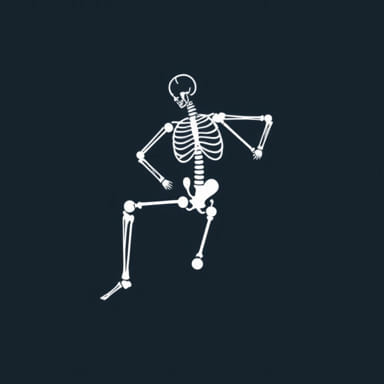
Movement is a fundamental feature of the human body, and joints are the structures that make movement possible. Among the many types of joint motion, medial rotation is a key movement that occurs in several major joints, especially those in the shoulder, hip, and limbs. Medial rotation refers to the inward turning of a bone around its long axis, moving the anterior surface of the limb or structure toward the midline of the body. This type of movement is essential in daily activities, athletic performance, and coordinated posture. Understanding medial rotation helps in appreciating joint mechanics, improving flexibility, and preventing injuries.
What Is Medial Rotation?
Medial rotation, also known as internal rotation, is a rotational movement where the anterior surface of a limb or structure moves toward the body’s midline. It is one of the primary types of rotational motion in synovial joints, particularly ball-and-socket joints like the shoulder and hip.
Definition in Simple Terms
To understand medial rotation in everyday language: imagine standing upright with your arm hanging by your side, palm facing forward. If you rotate your arm so that your palm turns inward toward your stomach, you are performing medial rotation at the shoulder joint.
Anatomy and Joints Involved
Medial rotation occurs in multiple joints, though most commonly in those that allow multi-directional movement. These include:
- Shoulder joint (glenohumeral joint)
- Hip joint (acetabulofemoral joint)
- Knee joint (in specific conditions)
- Neck and spine(as part of rotation of the head or trunk)
Shoulder Joint
The shoulder is one of the most mobile joints in the body. Medial rotation of the shoulder brings the arm inward, rotating the humerus so the front of the arm moves toward the midline. This movement is commonly used in activities like reaching across the body, hugging, or tucking in a shirt.
Hip Joint
Medial rotation at the hip involves turning the thigh inward so that the toes and knee move toward the midline. This motion is important for walking, running, and maintaining balance during weight shifts.
Muscles Responsible for Medial Rotation
Specific muscles are involved in producing medial rotation depending on the joint. These muscles contract to pull the bone in the desired direction.
Medial Rotators of the Shoulder
- Subscapularis– A deep muscle of the rotator cuff that plays a major role.
- Pectoralis major– Assists in rotating the arm medially and pulling it across the body.
- Latissimus dorsi– A large back muscle involved in internal rotation, extension, and adduction.
- Teres major– Helps stabilize and medially rotate the shoulder.
- Anterior deltoid– The front portion contributes to medial rotation along with flexion.
Medial Rotators of the Hip
- Gluteus medius (anterior fibers)
- Gluteus minimus
- Tensor fasciae latae
- Adductor longus and brevis (assist indirectly)
Function and Importance
Medial rotation is a vital motion in the human body, supporting numerous practical and athletic activities. Without internal rotation, coordinated movement and body alignment would be compromised.
Daily Activities
- Reaching to touch the opposite shoulder
- Putting on clothes, such as a shirt or jacket
- Crossing the legs or sitting cross-legged
- Turning the foot inward while walking or pivoting
Athletic and Functional Movement
In sports, medial rotation supports efficient motion in throwing, swimming strokes, martial arts techniques, and dancing. It plays a role in explosive leg movements, as well as stability and balance during sudden changes in direction.
Difference Between Medial and Lateral Rotation
While medial rotation turns a limb toward the midline,lateral rotationdoes the opposite. It moves the anterior surface of a limb away from the body’s midline. Understanding this pair of movements is crucial for anyone studying anatomy, physiotherapy, or personal training.
Quick Comparison:
- Medial Rotation: Toward the midline
- Lateral Rotation: Away from the midline
Both actions are needed for complete joint range of motion and healthy joint function.
Assessment and Testing
In clinical and physical therapy settings, medial rotation range and strength are often tested to assess joint function, muscle imbalances, or recovery from injury.
Common Assessment Techniques
- Goniometric measurement– Measures the angle of rotation.
- Manual muscle testing– Evaluates muscle strength.
- Functional movement screening– Observes rotation during practical movements.
These assessments are especially important after surgeries, athletic injuries, or neurological conditions that affect mobility.
Improving and Maintaining Medial Rotation
To keep joints healthy and prevent stiffness, it is important to maintain the flexibility and strength of medial rotators. Targeted exercises can enhance mobility and reduce the risk of injury.
Shoulder Exercises
- Internal rotation with resistance bands– Attach the band to a stable point and rotate the forearm inward.
- Isometric holds– Press the hand against a surface without moving the arm to activate internal rotators.
- Therapy ball rolls on a wall– Use smooth, circular motions to work shoulder muscles gently.
Hip Exercises
- Seated hip internal rotation– Sit with knees bent and move one leg inward while keeping the thigh still.
- Side-lying leg rotations– Lie on your side and rotate the top leg inward with control.
- Dynamic stretches– Include internal hip rotations during warm-up routines.
Common Problems Related to Medial Rotation
When medial rotation is limited, overused, or imbalanced with lateral rotation, it can contribute to various musculoskeletal problems.
Shoulder Impingement
Excessive internal rotation without proper strength and alignment can lead to impingement of tendons in the shoulder joint, causing pain and reduced mobility.
Hip Mobility Issues
Limited hip medial rotation can affect walking mechanics, reduce stride efficiency, and lead to compensation in the lower back or knees.
Postural Imbalance
Muscle imbalances between medial and lateral rotators can alter posture, leading to discomfort or chronic strain in joints and soft tissues.
Medial rotation is a fundamental movement that brings a part of the body inward toward the center. Found in joints such as the shoulder and hip, it allows for a wide range of motion essential in everyday activities and sports. Proper function of medial rotators depends on the health and coordination of specific muscles that guide this motion. When well maintained, medial rotation contributes to joint stability, efficient movement, and injury prevention. Understanding and training this important joint action is vital for physical well-being, rehabilitation, and peak performance.