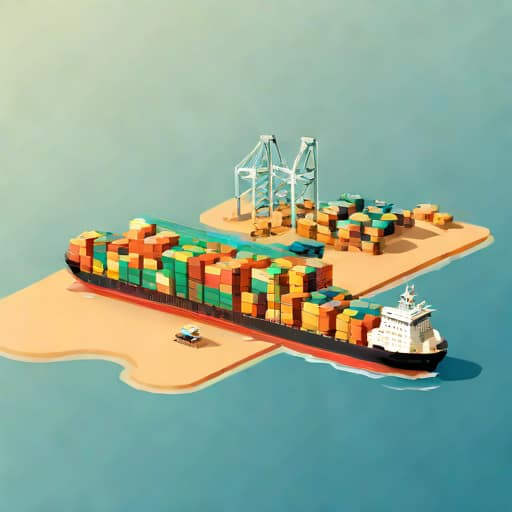
Jebel Ali has established itself as a cornerstone in global maritime trade, serving as one of the busiest and most efficient transshipment hubs in the world. Located in Dubai, United Arab Emirates, this port has grown from a regional shipping facility into a vital node connecting Asia, Europe, Africa, and the Americas. Transshipment at Jebel Ali involves the transfer of containers and cargo from one vessel to another, enabling goods to reach destinations that may not be directly accessible. The port’s strategic location, state-of-the-art infrastructure, and efficient logistics make it an essential point for global supply chains, supporting both import and export markets. Understanding the operations, benefits, and significance of Jebel Ali transshipment highlights why it is a preferred choice for shipping lines and traders worldwide.
Overview of Jebel Ali Port
Jebel Ali Port, operated by DP World, is located approximately 35 kilometers southwest of Dubai’s city center. It is the largest man-made harbor in the world and the biggest port in the Middle East, handling millions of containers annually. The port’s modern facilities include deep-water berths, extensive container storage areas, and specialized terminals designed to accommodate mega container ships. Jebel Ali serves as a gateway for the region, facilitating trade not only for the UAE but also for neighboring countries that rely on its connectivity and efficiency.
Strategic Location and Connectivity
The success of Jebel Ali as a transshipment hub is largely due to its strategic geographical location. Situated near major international shipping routes, the port provides easy access to markets in Asia, Europe, Africa, and the Americas. Its location allows shipping companies to consolidate cargo, reduce transit times, and optimize vessel utilization. The port is well-connected by road, rail, and air, ensuring seamless movement of goods to inland destinations and industrial zones, reinforcing Dubai’s role as a global trade center.
Understanding Transshipment at Jebel Ali
Transshipment is the process of transferring cargo from one vessel to another at an intermediate port before reaching the final destination. Jebel Ali specializes in this type of operation, handling large volumes of containers efficiently. Shipping lines often use Jebel Ali to consolidate cargo from smaller feeder vessels, which then continue to regional ports. This process allows for cost-effective shipping, improved scheduling, and flexibility in logistics management. For global trade, transshipment at Jebel Ali reduces overall transportation costs and enables faster delivery times.
Key Advantages of Transshipment
Transshipment at Jebel Ali offers multiple benefits for shipping companies and traders. These advantages include
- Cost EfficiencyBy consolidating cargo from various origins, shipping lines can maximize vessel capacity and reduce shipping costs.
- FlexibilityThe port allows the rerouting of cargo depending on demand, seasonal peaks, or logistical requirements.
- Reduced Transit TimesEfficient handling and modern equipment help minimize delays and ensure timely delivery of goods.
- Access to Regional MarketsTransshipment at Jebel Ali connects smaller ports in the region to major global trade lanes.
- ScalabilityThe port’s infrastructure can handle increasing volumes of cargo, supporting the growth of global trade networks.
Infrastructure Supporting Transshipment
The port’s infrastructure is designed to accommodate transshipment operations at a massive scale. Jebel Ali boasts deep-water berths that can handle the largest container ships, automated cranes for fast loading and unloading, and vast container yards for temporary storage. In addition, the port has dedicated terminals for different types of cargo, including containers, bulk goods, and roll-on/roll-off shipments. Advanced logistics technology, including real-time tracking systems, ensures that transshipment processes are smooth and efficient, reducing errors and turnaround time.
Container Terminals and Equipment
Jebel Ali’s container terminals are among the most advanced in the world. Equipped with state-of-the-art gantry cranes, automated guided vehicles, and high-capacity stacking areas, the port can handle multiple vessels simultaneously. These facilities enable quick transfer of containers from one ship to another, supporting efficient transshipment operations. The integration of technology also allows for accurate tracking of cargo, improving visibility for shipping lines and customers alike.
Economic Impact of Jebel Ali Transshipment
Jebel Ali transshipment contributes significantly to Dubai’s economy and the broader regional trade network. By serving as a central hub, the port attracts shipping lines, logistics companies, and international trade partners, creating employment opportunities and boosting business activities. Transshipment operations reduce costs for traders and provide faster access to markets, supporting economic growth in the Middle East. The port also stimulates investment in related sectors such as warehousing, trucking, and freight forwarding, reinforcing Dubai’s position as a global logistics hub.
Trade and Regional Benefits
The transshipment activities at Jebel Ali benefit not only the UAE but also neighboring countries that rely on efficient logistics to move goods. Smaller regional ports without direct access to major trade lanes can use Jebel Ali as a gateway, improving connectivity and trade efficiency. This system strengthens regional supply chains, facilitates international trade, and enhances competitiveness in global markets.
Challenges in Transshipment Operations
Despite its advanced infrastructure and strategic advantages, Jebel Ali faces challenges typical of major transshipment hubs. High volumes of cargo can lead to congestion during peak periods, requiring precise planning and coordination. Fluctuations in global trade, such as economic slowdowns or changes in shipping routes, can affect transshipment volumes. Additionally, the increasing size of container vessels demands continuous investment in port expansion and modernization to maintain efficiency and competitiveness.
Managing Congestion and Efficiency
To handle challenges, Jebel Ali implements advanced scheduling systems, real-time monitoring, and optimized terminal layouts. Efficient coordination between shipping lines, port authorities, and logistics providers ensures smooth cargo flow. These measures reduce bottlenecks, maintain service quality, and uphold the port’s reputation as a reliable transshipment hub.
Future Prospects of Jebel Ali Transshipment
Looking ahead, Jebel Ali is poised to strengthen its position as a global transshipment hub. Ongoing expansion projects aim to increase capacity, introduce new technologies, and enhance sustainability practices. Smart port initiatives, including digitalized cargo handling and automated logistics, will further improve efficiency and reduce operational costs. As global trade continues to grow, Jebel Ali’s strategic location, robust infrastructure, and transshipment expertise will ensure it remains a critical node in international shipping networks.
Investment in Technology and Sustainability
Future developments at Jebel Ali focus on integrating technology to optimize transshipment processes. Automation, artificial intelligence, and data-driven logistics will allow faster handling and better resource allocation. Environmental sustainability is also a priority, with efforts to reduce carbon emissions, improve energy efficiency, and implement green port initiatives. These advancements will ensure Jebel Ali not only maintains its global standing but also adapts to the evolving demands of international trade.
Jebel Ali transshipment is a vital component of global shipping, connecting continents, optimizing logistics, and supporting economic growth. Its strategic location, world-class infrastructure, and advanced technology make it a preferred hub for shipping lines and traders worldwide. By facilitating efficient cargo transfer, improving access to regional markets, and reducing costs, Jebel Ali strengthens the global supply chain and boosts trade competitiveness. Despite challenges like congestion and changing trade dynamics, continuous investment in infrastructure and technology ensures that Jebel Ali remains at the forefront of transshipment operations, contributing to Dubai’s reputation as a leading logistics and maritime hub.