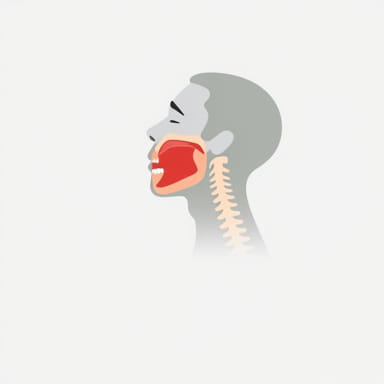
Jaw muscle spasms can cause significant discomfort and affect daily activities such as eating, speaking, and even sleeping. These spasms often arise due to conditions like temporomandibular joint (TMJ) disorders, stress, teeth grinding, or injury. Performing specific jaw muscle exercises can help relieve tension, reduce spasms, and improve jaw function. Incorporating these exercises into a daily routine may offer lasting relief and promote better muscle control.
Understanding Jaw Muscle Spasms
Jaw muscle spasms are involuntary contractions or tightening of the muscles responsible for moving the jaw. The primary muscles involved include the masseter, temporalis, medial and lateral pterygoids. These spasms can cause pain, stiffness, limited jaw movement, and sometimes clicking or popping sounds. Muscle spasms may be triggered by overuse, injury, inflammation, or chronic conditions affecting the temporomandibular joint.
Causes of Jaw Muscle Spasms
- Temporomandibular Joint Disorders (TMJ)Misalignment or inflammation of the jaw joint.
- BruxismTeeth grinding or clenching, especially during sleep.
- Stress and AnxietyLeading to increased muscle tension.
- Injury or TraumaTo the jaw or surrounding muscles.
- Poor PostureCausing strain on neck and jaw muscles.
Benefits of Jaw Muscle Exercises
Performing targeted jaw exercises can offer several benefits for those suffering from muscle spasms
- Reduce muscle tension and spasm frequency.
- Increase jaw mobility and flexibility.
- Improve muscle strength and coordination.
- Promote relaxation and reduce pain.
- Prevent worsening of TMJ symptoms.
Exercises should be done gently and consistently to avoid aggravating symptoms.
Effective Jaw Muscle Spasm Exercises
The following exercises focus on stretching, strengthening, and relaxing the jaw muscles. It is important to perform them slowly and avoid pushing through pain.
1. Jaw Stretch
This exercise helps to stretch the muscles around the jaw and improve range of motion.
- Open your mouth as wide as comfortably possible without pain.
- Hold the position for 5 to 10 seconds.
- Slowly close your mouth.
- Repeat 5 times, 2 to 3 times daily.
2. Resistance Mouth Opening
This exercise strengthens the jaw muscles by working against resistance.
- Place your thumb under your chin.
- Slowly open your mouth while gently pressing upward with your thumb to create resistance.
- Hold for 5 seconds and then close your mouth slowly.
- Repeat 5 to 10 times, once or twice daily.
3. Resistance Mouth Closing
Designed to strengthen the muscles used to close the mouth.
- Place your thumb and index finger on your chin.
- Open your mouth slightly, then try to close it while your fingers apply gentle resistance.
- Hold for 5 seconds and relax.
- Repeat 5 to 10 times, once or twice daily.
4. Side-to-Side Jaw Movement
This exercise improves lateral movement and reduces stiffness.
- Open your mouth slightly.
- Slowly move your jaw to the right as far as comfortable.
- Hold for 5 seconds, then move to the left side and hold.
- Repeat 5 times in each direction, twice daily.
5. Chin Tucks
This exercise relieves tension in the neck and jaw muscles, improving posture and alignment.
- Sit or stand with your shoulders relaxed.
- Tuck your chin gently towards your neck without tilting your head.
- Hold for 5 seconds and release.
- Repeat 10 times, twice daily.
6. Relaxed Jaw Exercise
This promotes relaxation of the jaw muscles to reduce spasms.
- Place the tip of your tongue on the roof of your mouth, just behind your front teeth.
- Allow your teeth to come apart and relax your jaw muscles.
- Breathe deeply and hold this relaxed position for 1 to 2 minutes.
- Repeat as needed throughout the day.
Tips for Maximizing the Effectiveness of Jaw Exercises
- Perform exercises gently without forcing movements.
- Maintain consistent daily practice for best results.
- Apply a warm compress to the jaw muscles before exercising to relax tight muscles.
- Avoid chewy or hard foods that may worsen muscle spasms.
- Practice stress management techniques such as deep breathing or meditation.
- Consult a healthcare professional or physical therapist for personalized guidance.
When to Seek Medical Advice
If jaw muscle spasms persist despite regular exercises or worsen with time, it is important to consult a healthcare provider. Additional treatments such as medications, physical therapy, or dental interventions might be necessary. Persistent jaw pain, locking, or difficulty opening the mouth could indicate a more serious underlying condition requiring professional evaluation.
Jaw muscle spasms can significantly impact quality of life, but regular, targeted exercises can help relieve discomfort, improve jaw function, and reduce the frequency of spasms. Combining jaw exercises with lifestyle changes such as stress reduction and avoiding aggravating activities provides a comprehensive approach to managing symptoms. Always perform exercises carefully and seek professional advice if symptoms persist or worsen to ensure optimal care and recovery.