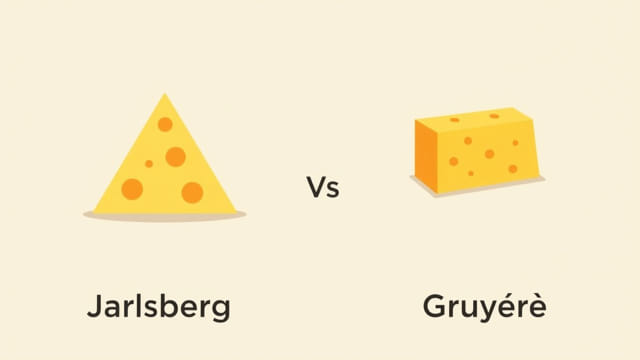
When it comes to flavorful cheeses with versatility in cooking, Jarlsberg and Gruyere often top the list. Both are semi-hard cheeses that melt beautifully, carry a nutty flavor, and work well in a variety of dishes, from fondue to gratins. However, they differ in origin, taste profile, and culinary use. Whether you’re making a gourmet sandwich or elevating a pasta dish, understanding the differences between Jarlsberg cheese vs Gruyere can help you choose the right cheese for your recipe and personal preference.
Origin and History
Jarlsberg Cheese
Jarlsberg cheese comes from Norway and was developed in the 1950s by Norwegian dairy scientists. Although based on traditional Swiss cheese-making techniques, Jarlsberg has evolved into a distinctly Norwegian product. Its production process remains a well-guarded secret, but the cheese is known for its mild, sweet, and nutty flavor along with large round holes, also known as eyes.
Gruyere Cheese
Gruyere hails from Switzerland, specifically the town of Gruyères in the Fribourg region. This cheese has been produced since the 12th century and carries a long tradition of craftsmanship. Gruyere is typically aged longer than Jarlsberg and develops a deeper, more complex flavor as a result. Its texture is denser and firmer, and it features smaller holes than Jarlsberg.
Flavor Profile
Jarlsberg
Jarlsberg is known for its buttery and slightly sweet taste, with a hint of nuttiness. It has a clean finish and is generally milder than Gruyere. This cheese appeals to a wide audience because of its smooth and approachable flavor. It is often enjoyed on its own, in sandwiches, or melted into sauces.
Gruyere
Gruyere offers a more intense and savory taste. Younger Gruyere is creamy and slightly nutty, while aged Gruyere becomes earthy, salty, and complex with crystallized protein flecks that give it a slight crunch. Its robust flavor makes it a popular choice for dishes requiring a strong cheese presence, such as French onion soup or fondue.
Texture and Appearance
Visual Differences
Jarlsberg is pale yellow in color with smooth, round holes that are larger and more prominent than those in Gruyere. Its rind is usually wax-coated for preservation. Gruyere, on the other hand, has a slightly darker yellow hue and a firmer texture. The rind of Gruyere is natural, hard, and brownish, a result of the aging process in traditional cellars.
Melting Characteristics
Both Jarlsberg and Gruyere melt well, but their textures contribute differently to dishes:
- Jarlsberg: Melts into a creamy, smooth consistency ideal for grilled cheese, quiches, or creamy sauces.
- Gruyere: Maintains structure slightly better when melted, offering a gooier, stretchier finish perfect for French onion soup or gratins.
Uses in Cooking
Jarlsberg in Recipes
Thanks to its mild taste, Jarlsberg pairs well with a wide range of ingredients and is often used in:
- Sandwiches and wraps
- Macaroni and cheese
- Egg-based dishes like frittatas or omelets
- Cheese boards with fruits and crackers
Its lower intensity makes it a good choice for recipes where cheese should not overpower other ingredients.
Gruyere in Recipes
Gruyere’s deeper flavor profile shines in heartier and more complex dishes, such as:
- Croque monsieur and croque madame
- French onion soup
- Scalloped potatoes and potato gratin
- Classic cheese fondue
Gruyere is a favorite among chefs for baked dishes that require depth and savory notes.
Nutritional Comparison
Both cheeses are rich in calcium and protein, but they differ slightly in fat and calorie content depending on aging and production style.
- Jarlsberg: Typically has a slightly higher fat content, making it creamier. It contains vitamin D and has probiotic properties.
- Gruyere: Offers a denser nutritional profile due to aging, with more concentrated protein and fewer carbohydrates.
While both are nutritious in moderation, Gruyere may appeal more to those looking for a richer, more satisfying cheese in smaller portions.
Price and Availability
Jarlsberg
Jarlsberg is widely available in grocery stores and tends to be more affordable than Gruyere. It is also often found pre-sliced or shredded, which adds to its convenience in daily cooking.
Gruyere
Gruyere is usually more expensive, especially when imported from Switzerland. Authentic Gruyere carries the AOP (Appellation d’Origine Protégée) label, indicating it was made according to traditional standards in a specific region. This quality and tradition contribute to its higher price point.
Substituting One for the Other
Can Jarlsberg Replace Gruyere?
In some recipes, yes. Jarlsberg can replace Gruyere in dishes that require a mild, melty cheese without overpowering the other ingredients. However, it may not provide the same depth in recipes like fondue or onion soup, where Gruyere’s stronger flavor is a key component.
Can Gruyere Replace Jarlsberg?
Gruyere can substitute Jarlsberg if a bolder flavor is welcome in the dish. Be cautious, though, as Gruyere’s assertiveness might not suit all palates, especially in lighter dishes like fresh salads or delicate sandwiches.
Pairings and Serving Suggestions
Jarlsberg Pairings
- Pairs well with light white wines such as Sauvignon Blanc
- Delicious alongside apples, pears, and almonds
- Try it with rye or multigrain bread
Gruyere Pairings
- Excellent with full-bodied wines like Chardonnay or Pinot Noir
- Complements figs, walnuts, and cured meats
- Serve with sourdough or crusty French bread
Choosing between Jarlsberg cheese vs Gruyere depends on what you value most in your dish whether it’s the mild, creamy sweetness of Jarlsberg or the nutty, complex boldness of Gruyere. Both cheeses offer excellent melting properties, rich nutrition, and versatility in the kitchen. Jarlsberg is perfect for casual meals, sandwiches, and smooth sauces, while Gruyere excels in baked dishes and recipes where flavor depth is essential. Understanding their unique qualities allows you to make the right choice for your next culinary creation, whether you’re entertaining guests or preparing a comforting homemade dish.