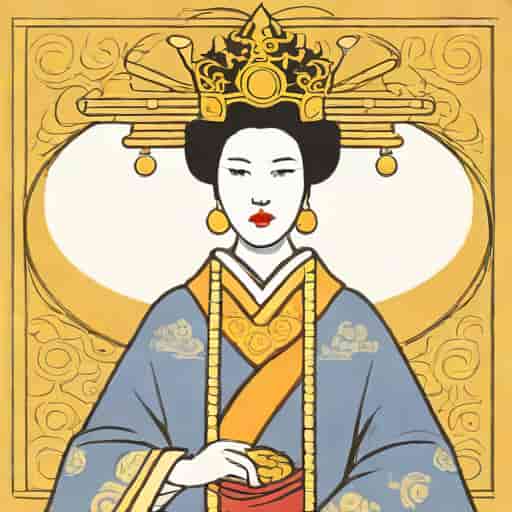
The concept of a Japanese empress regnant has fascinated historians and enthusiasts for centuries. Unlike a consort, an empress regnant holds the throne in her own right, exercising full authority as the sovereign of Japan. The history of female rulers in Japan is complex and reflects both cultural traditions and political realities. Throughout Japanese history, there have been several empresses who ascended to the Chrysanthemum Throne, shaping the nation’s development through their decisions, diplomacy, and leadership. These empresses regnant are notable not only for their ability to rule in a predominantly patriarchal society but also for their impact on Japanese culture, governance, and international relations. Understanding their lives and reigns provides a window into the evolving role of women in Japanese history and the unique characteristics of imperial succession.
Historical Background of Japanese Empresses Regnant
Japan’s imperial lineage is considered the oldest continuous hereditary monarchy in the world, and while most emperors have been male, women have occasionally ruled as empress regnant. These female rulers often ascended the throne during periods of political instability, succession crises, or when no eligible male heirs were available. Historical records indicate that the presence of empresses regnant was not merely ceremonial; they wielded real political power and were responsible for important decisions concerning governance, military affairs, and diplomacy. The reigns of these empresses demonstrate the flexibility of Japanese succession laws at certain points in history, highlighting the balance between tradition and practicality in maintaining continuity of leadership.
Notable Japanese Empresses Regnant
Several empresses have left a lasting mark on Japan’s history. Among the most famous is Empress Suiko, who ruled in the early 7th century. She is credited with supporting significant cultural and religious reforms, including the promotion of Buddhism, which played a transformative role in Japanese society. Another prominent figure is Empress Kōken, later known as Empress Shōtoku, whose reign in the 8th century was characterized by strong political maneuvering and involvement in court intrigues. Empress Meishō in the 17th century and Empress Go-Sakuramachi in the 18th century also exemplify the capacity of female rulers to maintain political stability and guide the nation during challenging times. Each of these empresses regnant navigated unique social and political landscapes, leaving behind a legacy that illustrates the significant roles women could occupy in Japanese imperial governance.
The Role and Authority of an Empress Regnant
A Japanese empress regnant was not simply a symbolic figurehead; she exercised full sovereign authority, much like her male counterparts. Her responsibilities included overseeing state administration, issuing edicts, managing the imperial court, and sometimes engaging in diplomacy with foreign powers. The authority of an empress regnant could be influenced by advisors, court officials, and political factions, but ultimately, she held the formal power of the throne. The ability of these empresses to rule effectively was often tested during periods of succession disputes, natural disasters, or military conflict, requiring skillful leadership and strategic decision-making.
Challenges Faced by Female Rulers
- Patriarchal norms Empresses regnant had to navigate a society that traditionally prioritized male succession.
- Political intrigue Court politics and rival factions often challenged their authority.
- Succession issues Ensuring continuity of the imperial line was a constant concern, especially if no male heirs were present.
- Public perception Maintaining respect and legitimacy among both the court and the populace required careful management of appearances and policies.
Cultural and Religious Influence
Japanese empresses regnant often played a crucial role in cultural and religious developments. For instance, Empress Suiko’s promotion of Buddhism helped establish it as a major influence on Japanese society, including art, architecture, and moral philosophy. Other empresses supported literature, education, and the preservation of traditional rituals, ensuring that cultural heritage continued to flourish under their reigns. These contributions extended beyond mere political authority, reflecting a holistic understanding of leadership that encompassed the spiritual and cultural well-being of the nation.
Legacy and Historical Significance
The historical significance of Japanese empresses regnant is multifaceted. They demonstrate that female rulers were capable of navigating complex political landscapes and maintaining national stability. Their reigns challenge the notion that leadership was exclusively male and highlight moments in history when women played decisive roles in shaping the nation. Moreover, the precedents set by these empresses have contributed to ongoing discussions about gender, power, and leadership within Japanese society and beyond. Today, their legacies are preserved through historical texts, cultural narratives, and the continued reverence of the imperial institution.
Modern Perspective on Female Imperial Succession
In contemporary Japan, the topic of female succession has generated considerable debate. The Japanese imperial household law currently limits succession to male heirs, but historical examples of empresses regnant are often cited in discussions about potential reforms. Advocates for change argue that allowing women to ascend the throne could address issues of succession continuity while honoring historical precedents. The legacy of empresses regnant demonstrates that women are fully capable of fulfilling the duties of the emperor, and their successful reigns provide a strong case for considering gender-inclusive reforms in the modern era.
Impact on Gender Roles
The reigns of Japanese empresses regnant have broader implications for gender roles in society. They serve as historical evidence that women can hold positions of ultimate authority and manage complex governance systems. While Japan’s societal norms have traditionally emphasized male leadership, the accomplishments of these empresses illustrate the potential for women to influence politics, culture, and national development. Recognizing their contributions encourages a reevaluation of gender expectations and inspires ongoing efforts toward equality in various spheres of society.
Japanese empresses regnant are a remarkable part of the nation’s history, reflecting the complex interplay of culture, politics, and gender. From Empress Suiko to Empress Go-Sakuramachi, these women demonstrated leadership, resilience, and vision, navigating challenges that arose from both internal and external pressures. Their reigns provide insight into the flexibility of Japan’s imperial succession and the significant impact female rulers can have on society. Understanding the history and legacy of empresses regnant not only enriches knowledge of Japanese history but also highlights the enduring relevance of female leadership in shaping national identity and governance. Their stories continue to inspire scholars, citizens, and those interested in the evolving role of women in positions of power.