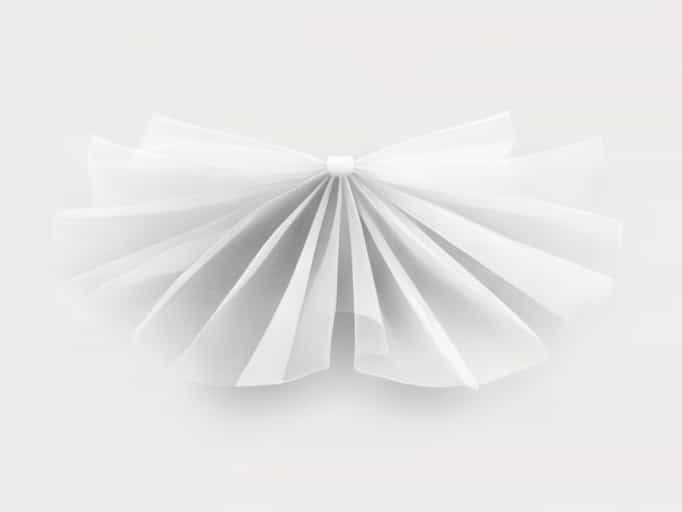
Tulle is a fabric that has captivated designers, brides, and crafters for centuries due to its delicate, airy texture and versatile applications. Often associated with wedding dresses, ballet tutus, and elegant evening gowns, tulle adds a light, ethereal quality to garments and decorations alike. Many people wonder whether tulle is a material or a specific type of textile, and understanding its composition, types, and uses can help clarify its role in fashion, home décor, and crafting projects. Beyond its aesthetic appeal, tulle is also valued for its practicality in layering, creating volume, and adding a touch of sophistication to various designs.
What is Tulle?
Tulle is a lightweight, fine netting fabric that is typically made from fibers such as silk, nylon, polyester, or rayon. Its signature characteristic is its sheer, airy appearance, created through a mesh weave with tiny holes. Tulle is often used in multiple layers to achieve a fuller effect without adding heavy weight, making it ideal for garments that require volume, such as wedding gowns or tutus. Despite its delicate appearance, tulle can be surprisingly durable, depending on the type of fiber used and the quality of the weave.
Composition and Materials
While tulle is not a single fiber itself, it is a type of material that can be made from several different fibers. Each fiber contributes unique properties to the tulle fabric
- Silk TulleLuxurious, soft, and elegant, often used in high-end wedding gowns and couture designs.
- Nylon TulleLightweight, strong, and more affordable than silk, suitable for costumes, crafts, and decorative purposes.
- Polyester TulleDurable, easy to care for, and commonly used in bridal wear, fashion, and event décor.
- Rayon TulleSoft and drapable, offering a slightly different texture compared to synthetic fibers.
The choice of fiber impacts not only the visual appeal of the tulle but also its flexibility, stretch, and suitability for various projects.
Types of Tulle
Tulle comes in a variety of types, each with unique characteristics suited to specific uses. Understanding these types can help designers and crafters select the right tulle for their projects
Bridal Tulle
Bridal tulle is typically made from fine silk or polyester and is designed to drape elegantly in wedding gowns and veils. It often features soft, delicate textures and may include subtle patterns or embellishments for added visual interest. Multiple layers of bridal tulle create volume without weighing down the dress, making it ideal for traditional and modern bridal designs alike.
Soft Tulle
Soft tulle is pliable and lightweight, offering a gentle drape that works well for overlays, skirts, and decorative accents. It is commonly used in dance costumes, evening wear, and layered skirts where movement and flow are important. Soft tulle can be gathered or ruched to add texture and dimension to garments.
Hard or Stiff Tulle
Stiff tulle has a crisp texture and holds its shape better than soft tulle. This type is ideal for creating structured designs, such as petticoats, tutus, and decorative bows. Stiff tulle can also be used in home décor applications, including table overlays, gift wrapping, and event decorations where structure and volume are desired.
Uses of Tulle
Tulle is an incredibly versatile material, used in fashion, home décor, and crafting projects around the world. Some of the most popular uses include
- Wedding Dresses and VeilsTulle adds volume and elegance, creating ethereal bridal silhouettes and flowing veils.
- Ballet TutusStiff tulle layers give tutus their iconic shape while remaining lightweight for ease of movement.
- Party and Event DecorationsTulle can be draped, wrapped, or tied into bows for weddings, baby showers, and other celebrations.
- Crafting ProjectsTulle is popular for DIY projects, including gift wrapping, wreaths, and decorative accents.
- Fashion AccessoriesTulle can be used for overlays on skirts, scarves, and even hats to add texture and volume.
Layering and Volume
One of the key advantages of tulle is its ability to be layered. Multiple layers of tulle can create a full, voluminous effect without adding excessive weight. This is particularly useful in garments that require structure and movement, such as bridal gowns, prom dresses, and dance costumes. Designers often combine different types of tulle soft and stiff to achieve a balanced and dynamic look.
Decoration and Embellishment
Tulle can also be adorned with embroidery, sequins, beads, or lace appliqués, making it a highly customizable material. These embellishments enhance the visual appeal of garments and decorative items, allowing for unique and creative designs. Tulle’s open weave structure makes it an excellent base for such embellishments, as they can be easily sewn or glued onto the fabric.
Care and Maintenance of Tulle
Caring for tulle requires gentle handling to maintain its delicate texture and prevent tearing. Key tips for tulle care include
- Hand washing in cold water with mild detergent is preferred to avoid damage.
- Avoid wringing or twisting the fabric; instead, gently press out excess water.
- Air drying on a flat surface or hanging to dry helps preserve shape and volume.
- For wrinkled tulle, use a low-heat steamer or iron with a protective cloth to avoid burning or melting synthetic fibers.
- Store tulle in a cool, dry place to prevent yellowing or snagging.
Tulle is indeed a material a type of lightweight, fine netting fabric that can be made from silk, nylon, polyester, or rayon. Its delicate, airy structure and versatility make it an essential textile in fashion, crafting, and home décor. From bridal gowns and ballet tutus to DIY projects and event decorations, tulle provides volume, elegance, and visual interest. Understanding the different types of tulle, their properties, and proper care ensures that designers, crafters, and hobbyists can use this fabric effectively. Whether used for clothing, accessories, or decorative purposes, tulle remains a timeless and enchanting material that continues to inspire creativity and beauty in countless applications.