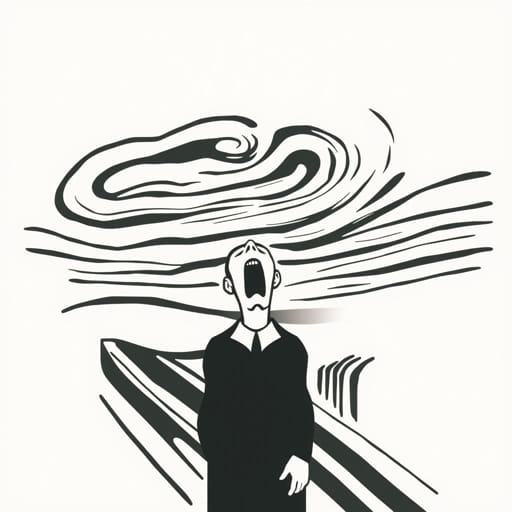
Edvard Munch’s iconic artwork,The Scream, has captivated audiences for over a century with its haunting imagery and emotional intensity. While most people associate the piece with a painted canvas, there is often confusion surrounding the mediums in which it was created. Specifically, many ask: isThe Screama lithograph? The answer is more nuanced than a simple yes or no. This topic explores the different versions ofThe Scream, the artistic techniques involved, and how lithography plays a role in the legacy of this masterpiece.
Understanding the Origins of The Scream
Multiple Versions by Edvard Munch
Edvard Munch created several versions ofThe Screambetween 1893 and 1910. These include paintings, drawings, pastels, and indeed, lithographs. This means that while not every version ofThe Screamis a lithograph, some certainly are. Munch’s choice to reproduce his work in various formats helped to solidify its place in popular culture and made it more accessible to a wider audience.
- 1893 Tempera and crayon on cardboard (National Gallery, Oslo)
- 1893 Crayon on cardboard (Munch Museum, Oslo)
- 1895 Lithograph version
- 1910 Tempera on board (Munch Museum, Oslo)
The lithograph version created in 1895 is particularly important in answering whetherThe Screamis a lithograph. Munch used this method to create black-and-white prints of his iconic image, which could then be distributed more easily than painted or drawn originals.
What Is a Lithograph?
Basics of Lithographic Printing
Lithography is a method of printmaking that involves drawing an image on a flat stone or metal plate using a greasy substance. The surface is then treated so that the drawn areas attract ink, while the blank areas repel it. When paper is pressed onto the surface, it picks up the ink, creating a printed image.
Why Artists Use Lithography
There are several reasons an artist like Munch might use lithography:
- To make their artwork more widely available
- To explore variations of a theme in a different medium
- To earn income by selling limited edition prints
- To experiment with texture and contrast
By using lithography, Munch was able to expand the reach ofThe Screambeyond the walls of galleries and into private collections and publications.
The 1895 Lithograph Version of The Scream
Creation and Characteristics
The 1895 lithograph version ofThe Screamis one of the most notable prints created by Munch. Unlike the colored paintings and pastels, the lithograph is monochromatic, emphasizing form and emotion through stark black and white contrast. This version often includes Munch’s handwritten inscription in German: ‘Ich fühlte das groÃe Geschrei durch die Natur,’ which translates to ‘I felt the great scream throughout nature.’
Rarity and Value
Only a limited number of the lithograph prints were made, making them rare and highly valuable. Some of these prints have surfaced at major auctions and fetched millions of dollars. Their value lies not just in their rarity, but in their direct connection to Munch’s own hand and his original creative intent.
Impact of Lithography on The Scream’s Legacy
Dissemination of the Image
One of the most significant impacts of the lithograph version was its ability to circulateThe Screamwidely. Unlike the singular painted versions, lithographs could be printed in multiples, allowing Munch to share his vision with audiences across Europe and beyond.
Influence on Modern Culture
The black-and-white lithograph served as a template for later adaptations and parodies. Its stark and dramatic imagery made it easily recognizable, even in simplified or altered forms. From pop culture references to Halloween masks, the essence ofThe Screamowes much of its reach to its lithographic form.
Comparing Mediums: Lithograph vs Painting
Differences in Texture and Tone
While both mediums depict the same core image, the emotional tone can vary. The paintings use vibrant colors fiery oranges and reds in the sky contrasted against dark blues and blacks to evoke chaos and turmoil. In contrast, the lithograph’s lack of color shifts the focus to line and shadow, creating a different kind of psychological intensity.
Interpretation by the Viewer
Some art historians argue that the lithograph’s starkness enhances the feeling of anxiety and alienation in the figure’s scream. Without the distraction of color, viewers may focus more on the expression and posture, diving deeper into the existential anguish that Munch sought to convey.
The Scream in Museums and Collections
Where to See the Lithograph
Original lithographs ofThe Screamare held in various prestigious collections around the world. These include:
- The Museum of Modern Art (MoMA), New York
- The British Museum, London
- The National Gallery of Norway
Due to their fragility and value, they are not always on public display, but they are occasionally shown in exhibitions exploring Munch’s life and work.
To answer the question:Is The Scream a lithograph?yes,The Screamexists as a lithograph, among other formats. Edvard Munch created a lithographic version of his iconic artwork in 1895, allowing him to replicate and share his vision more broadly. While the most famous painted versions are often discussed, the lithograph holds equal importance in understanding the evolution and impact of the piece. It not only allowed for greater exposure of the work but also offered a new lens through which to interpret Munch’s haunting message. For anyone interested in art history, printmaking, or emotional expression in visual form, exploring the lithograph version ofThe Screamis both enlightening and essential.