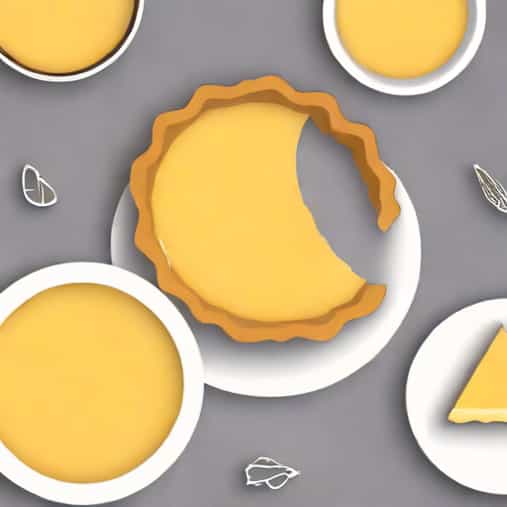
When you walk into a bakery or glance at a display case filled with pastries, one item that often catches the eye is a tart. Its golden crust and glossy surface can make anyone curious about what’s inside. Many people wonder, Is that egg custard in that tart? Egg custard tarts are a popular dessert in many cultures, known for their creamy texture and sweet, comforting flavor. Understanding what egg custard is, how it’s made, and why it’s used in tarts can help you appreciate this classic dessert even more. From the ingredients to the baking process, each detail contributes to the rich experience of enjoying a custard tart.
What is Egg Custard?
Egg custard is a simple yet versatile mixture made primarily from eggs, milk or cream, and sugar. The combination is cooked gently to create a smooth, creamy consistency. Its flavor is delicate, with a slight sweetness and a rich, eggy taste. In tarts, egg custard serves as the filling, providing a creamy contrast to the crisp, buttery pastry shell. Many recipes may include additional flavorings such as vanilla, nutmeg, or citrus zest to enhance the taste, but the core ingredients remain consistent.
The Role of Eggs in Custard
Eggs are the main ingredient in custard and are responsible for its structure and texture. When heated, the proteins in eggs coagulate, transforming the liquid mixture into a thick, smooth custard. The key is to cook the custard gently, either in a water bath or at a controlled oven temperature, to prevent curdling or overcooking. This careful cooking process gives custard tarts their characteristic creamy texture, which is soft yet firm enough to hold its shape inside the pastry shell.
Milk and Cream Creating Creaminess
Milk or cream adds richness and moisture to the custard. Full-fat milk or a combination of milk and cream produces a velvety texture that balances the eggs’ firmness. Some recipes may use evaporated milk or condensed milk to adjust the sweetness and consistency. The proportion of liquid to eggs is crucial, as too much liquid can result in a runny custard, while too little can make it overly firm or rubbery.
The Tart Shell
The crust of a custard tart is almost as important as the filling. A well-made tart shell is buttery, flaky, and slightly crisp, providing a sturdy base for the delicate custard. The contrast between the crisp shell and the smooth custard creates a satisfying texture combination that makes the tart so appealing. Tart shells can be made from shortcrust pastry or pâte sucrée, both of which offer a subtle sweetness that complements the custard without overpowering it.
Blind Baking the Tart Shell
Before adding the custard, many recipes call for blind baking the tart shell. This process involves baking the crust without the filling to ensure it remains crisp and does not become soggy when the custard is poured in. Weights such as dried beans or pie weights are often used to prevent the crust from puffing up during baking. Once the shell is partially baked, the egg custard is added, and the tart is returned to the oven until the custard sets.
How to Identify Egg Custard in a Tart
Identifying egg custard in a tart is easier once you understand its characteristics. A true egg custard tart has a smooth, slightly glossy surface, and when cut, the filling should be creamy, not runny or gelatinous. The flavor is rich and mildly sweet, with a distinct eggy undertone. Unlike fruit tarts or chocolate tarts, which have additional textures and flavors, custard tarts are appreciated for their simplicity and creamy consistency.
Texture and Consistency
When you touch the surface of a custard tart with a fork or spoon, it should feel firm enough to hold its shape but soft enough to yield easily. The custard should not jiggle excessively, which indicates it is undercooked, nor should it feel rubbery, which means it has been overbaked. A perfectly cooked egg custard tart has a delicate balance between firmness and creaminess.
Appearance and Color
Egg custard tarts typically have a pale yellow or golden color, sometimes with a slightly darker top if caramelized or baked to perfection. A smooth, uniform surface is a good sign of properly prepared custard. Any cracks or separation can indicate overcooking or uneven baking. Visual cues, along with texture and taste, help determine whether the tart contains authentic egg custard.
Variations Around the World
Egg custard tarts appear in many cultures, each with unique variations. For example, the Portuguese pastel de nata is a famous custard tart with a slightly caramelized top, baked in small, individual portions. In England, custard tarts often include a sprinkle of nutmeg or cinnamon on top. Asian variations, such as the Hong Kong-style egg tart, feature a smooth, glossy custard with a delicate, flaky crust. Despite the differences in presentation, all these tarts share the defining characteristic of a creamy egg custard filling.
Popular Flavors and Additions
While the classic egg custard is simple and elegant, some variations incorporate flavors or ingredients to enhance the taste
- Vanilla or almond extract for a fragrant aroma
- Lemon or orange zest for a subtle citrus note
- Nutmeg or cinnamon for a warm, spiced flavor
- Chocolate or fruit toppings for added sweetness and visual appeal
- Caramelized sugar on top for a slightly crunchy finish
These variations allow bakers to create a wide range of custard tarts while maintaining the creamy egg-based filling that defines the dessert.
Common Mistakes When Making Custard Tarts
Making a perfect egg custard tart requires attention to detail. Some common mistakes include
- Overbaking, which leads to a rubbery texture and cracks on the surface
- Undercooking, resulting in a runny filling that does not hold its shape
- Using too many flavorings, which can overpower the delicate egg custard taste
- Skipping blind baking, causing the crust to become soggy
- Uneven heat, which can make some parts of the custard overcook while others remain undercooked
By following proper techniques and paying attention to cooking times and temperatures, bakers can create tarts with a perfect balance of creamy custard and crisp pastry.
So, when you ask, Is that egg custard in that tart? understanding the characteristics of custard can help you answer confidently. Egg custard tarts are defined by their smooth, creamy filling made from eggs, milk, and sugar, often with subtle flavorings. The delicate balance of a firm yet creamy texture, a buttery tart shell, and mild sweetness distinguishes them from other desserts. Recognizing these features allows you to appreciate the skill involved in making a custard tart and enjoy the dessert to its fullest. Whether you are savoring a Portuguese pastel de nata, a traditional English custard tart, or a Hong Kong-style egg tart, the simple pleasure of creamy egg custard in a crisp pastry shell remains a universal delight.