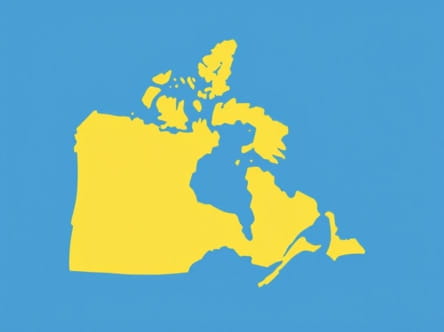
Yes, Quebec is a province in Canada. It is one of the ten provinces and three territories that make up the country. Located in eastern Canada, Quebec is the largest province by area and the second most populous, after Ontario. Known for its French-speaking population, rich history, and vibrant culture, Quebec holds a unique place in the Canadian federation. Understanding Quebec’s status as a province requires looking into its political structure, cultural identity, and historical development within Canada.
What Is a Province in Canada?
Canada is a federal country, meaning it is made up of several political entities that share power with the national government. The country is divided into ten provinces and three territories. Provinces have more autonomy from the federal government than territories and are responsible for many areas of governance, such as education, healthcare, and natural resources.
Each province has its own legislature, premier, and set of laws, operating under the framework of the Canadian Constitution. Quebec, like all provinces, has the authority to make decisions on various regional matters while still being part of the greater Canadian system.
Geographic Location of Quebec
Quebec is located in the eastern part of Canada. It shares borders with several other provinces and territories, including
- Ontario to the west
- Newfoundland and Labrador to the northeast
- New Brunswick to the southeast
- Nunavut to the north (via maritime boundaries)
It also shares an international border with the U.S. states of New York, Vermont, New Hampshire, and Maine. To the east, Quebec has a long coastline along the Gulf of St. Lawrence, and to the north, it stretches deep into Arctic territory.
Quebec’s Population and Major Cities
Quebec is home to over 8.5 million people, making it the second-most populous province in Canada. The majority of the population lives in the southern part of the province, particularly along the St. Lawrence River.
Major Cities in Quebec
- MontrealThe largest city in Quebec and the second-largest in Canada, known for its cultural diversity, arts, and vibrant nightlife.
- Quebec CityThe provincial capital, famous for its historic Old Town, French colonial architecture, and UNESCO World Heritage status.
- LavalA growing suburban city just north of Montreal.
- GatineauLocated across the river from Ottawa, Canada’s capital city.
These urban centers play a key role in the province’s economy, culture, and education.
Language and Cultural Identity
One of the most defining characteristics of Quebec as a province is its language. French is the official language of Quebec, and the province is the heart of French-speaking culture in North America. About 85% of Quebec’s population speaks French as their first language.
This strong linguistic and cultural identity sets Quebec apart from other provinces, where English is typically the dominant language. The province has passed several laws, such as the Charter of the French Language (also known as Bill 101), to promote and protect the use of French in public life, education, and business.
Key Cultural Features of Quebec
- French-language education and media
- Distinctive cuisine, such as poutine and tourtière
- Annual festivals like Winter Carnival and the Montreal Jazz Festival
- Unique architectural heritage and art scene
Quebec’s culture is a blend of European and North American influences, with strong traditions in literature, film, music, and theater.
Political Structure of Quebec
As a Canadian province, Quebec has its own parliamentary system of government. The provincial government is based in Quebec City and includes a National Assembly, which functions similarly to provincial legislatures in other provinces.
Key Components of Quebec’s Government
- PremierThe head of government, equivalent to a provincial prime minister
- National AssemblyThe legislative body responsible for passing laws at the provincial level
- Lieutenant GovernorThe Queen’s representative in the province, with a largely ceremonial role
Quebec has the constitutional right to pass its own laws in areas such as education, language, and civil rights, provided they do not conflict with federal law.
Quebec’s Unique Legal System
Unlike other Canadian provinces, which follow common law, Quebec uses a civil law system based on the French legal tradition. The Quebec Civil Code governs private law matters such as contracts, family law, and property rights.
This civil law framework is another example of Quebec’s distinct status within the Canadian federation. It reflects the province’s French colonial heritage and contributes to its separate identity.
History of Quebec as a Province
Quebec was one of the four original provinces that formed the Dominion of Canada in 1867 under the British North America Act (now the Constitution Act, 1867). Before joining Confederation, Quebec was known as Lower Canada and later as the Province of Canada, along with Ontario (then called Upper Canada).
The decision to join Confederation was partly based on the promise that Quebec could maintain its language, religion (primarily Catholicism), and civil law traditions. Since then, the province has played a vital role in Canadian political life, including movements advocating for greater autonomy or even independence.
Sovereignty and Independence Movements
Throughout modern history, Quebec has experienced political movements that question its place within Canada. These movements argue that Quebec’s unique language and culture warrant full independence. The most well-known of these was the Parti Québécois, a political party that led two referendums on Quebec sovereignty.
Key Events
- 1980 ReferendumApproximately 60% voted against sovereignty
- 1995 ReferendumA very narrow margin (50.6%) voted to remain in Canada
Although these referendums failed, the idea of Quebec nationalism still influences the province’s political landscape. Many Quebecers continue to advocate for strong provincial autonomy while remaining part of Canada.
Economy of Quebec
Quebec has one of the most diverse and dynamic economies in Canada. It is strong in industries such as aerospace, hydroelectric power, information technology, and biotechnology. The province also has a significant natural resource sector, including forestry, mining, and agriculture.
Economic Highlights
- Hydro-Québec is one of the largest producers of hydroelectricity in the world
- Montreal is a leading hub for AI research and aerospace
- Quebec exports goods globally, including to the United States and Europe
Economic autonomy is often cited as a reason by those who support Quebec’s push for greater independence, arguing that the province could sustain itself financially as a separate nation.
Quebec is indeed a province one of the most important, unique, and influential in all of Canada. Its status as a province grants it political authority, cultural independence, and legal autonomy within the Canadian federation. With its French-speaking population, civil law system, and vibrant identity, Quebec stands out as a distinct society within Canada. Whether in terms of culture, history, or politics, Quebec continues to shape the nation’s identity while maintaining its own. Understanding Quebec as a province is key to understanding the rich complexity of Canada as a whole.