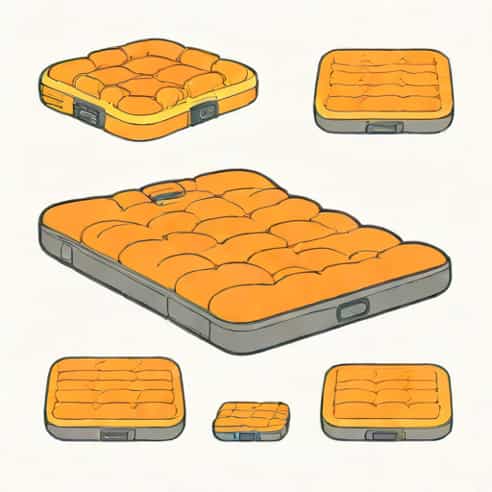
Air mattresses are popular for camping trips, guest accommodations, and temporary sleeping arrangements because they are lightweight, portable, and easy to store. However, many people notice that air mattresses sometimes lose air over time, leading them to wonder whether it is normal for an air mattress to deflate. Understanding why this happens can help users maintain their mattress, prolong its lifespan, and ensure a comfortable sleeping experience. Deflation can be caused by a variety of factors, ranging from natural air leakage to punctures or issues with the valve.
Natural Air Loss in Air Mattresses
It is completely normal for an air mattress to lose some air over time. Most air mattresses are made from materials like PVC or reinforced vinyl, which are not entirely airtight. Even if the mattress is free from punctures or defects, tiny amounts of air can escape through the seams and material over several hours or days. This gradual deflation is especially noticeable with mattresses used overnight, as body weight and movement can compress the air inside, causing it to slowly escape.
How Much Deflation Is Normal?
Typically, a small loss of firmness, such as a mattress losing one to two inches of height overnight, is considered normal. This amount of deflation usually does not affect comfort significantly. Many manufacturers expect air mattresses to require occasional inflation during regular use. Checking the mattress in the morning and adding a few pumps of air is a standard practice for maintaining proper firmness.
Factors That Contribute to Air Mattress Deflation
Several factors can increase the rate at which an air mattress loses air. Understanding these factors helps users take preventive measures and know when deflation may indicate a more serious problem.
Temperature Changes
Temperature plays a key role in the air pressure inside an air mattress. When temperatures drop at night, the air inside the mattress contracts, causing it to lose some firmness. Conversely, during warm days, air expands, and the mattress may feel firmer than usual. This is a normal physical phenomenon and does not indicate a defect in the mattress itself.
Body Weight and Movement
The amount of weight applied to the mattress and how much a person moves during sleep can also cause air loss. Rolling, turning, or sitting heavily on the mattress compresses the air inside, forcing it to escape gradually through the seams or valve. Over time, repeated compression can lead to slightly faster deflation, especially if the mattress is used frequently.
Valve Issues
Most air mattresses have a valve that allows inflation and deflation. If the valve is not closed tightly, or if it is defective, air can leak continuously. Some valves have additional caps or stoppers that must be secured properly. Checking the valve for proper closure and testing it for leaks can help maintain air pressure and prevent unnecessary deflation.
Punctures and Leaks
While minor air loss is normal, excessive or rapid deflation usually indicates a puncture or leak. Sharp objects, pet claws, or rough surfaces can create holes in the mattress, causing significant air escape. Even tiny punctures can allow enough air to leak that the mattress becomes noticeably flat. Regularly inspecting the mattress for visible damage and using a patch kit for small holes can extend its life.
- Check the mattress surface for sharp objects before use.
- Keep pets or children with sharp nails away from the mattress.
- Use a protective sheet or cover to prevent accidental punctures.
Maintenance Tips to Prevent Deflation
Proper maintenance of an air mattress can reduce the frequency and amount of deflation. Following some simple steps helps ensure that the mattress remains comfortable and functional for longer periods.
Regular Inflation
Inflating the mattress fully before each use and checking it periodically is a basic maintenance routine. Some users prefer to slightly overinflate the mattress initially, allowing it to settle to the desired firmness after a few hours. This compensates for natural air loss during the first night of use.
Temperature Considerations
Placing the mattress in an area with stable temperature can help maintain air pressure. Avoid using it directly on cold floors or near open windows during winter, as cooler temperatures increase air contraction and reduce mattress firmness. Adding a mattress topper or blanket can provide additional insulation and comfort.
Valve Care
Ensuring that the valve is closed tightly after inflation is crucial. Some valves benefit from a small twist or locking mechanism to prevent air from escaping. Periodically checking the valve for damage or wear and replacing it if necessary helps prevent slow leaks that lead to deflation over time.
Proper Storage
When the mattress is not in use, storing it correctly prevents material degradation and reduces the likelihood of punctures. Deflate the mattress completely, fold it neatly, and store it in a dry, cool area. Avoid placing heavy objects on top of the mattress during storage, as this can damage the seams and weaken the material.
When to Be Concerned About Deflation
While some deflation is normal, there are signs that indicate a problem requiring attention. If the mattress loses a significant amount of air overnight, develops visible leaks, or the seams appear damaged, it is likely not normal deflation. Rapid loss of firmness that affects sleep comfort should prompt inspection for punctures, valve issues, or manufacturing defects.
- Use a soapy water solution to detect small leaks along seams or around the valve.
- Patch holes promptly with a manufacturer-approved repair kit.
- Replace the mattress if multiple leaks develop or repairs are ineffective.
It is normal for air mattresses to lose a small amount of air over time due to natural material properties, body weight, temperature changes, and minor compression. Most air mattresses will require occasional inflation to maintain proper firmness. However, excessive or rapid deflation is usually a sign of a puncture, valve issue, or seam leak. Regular inspection, proper inflation, careful handling, and correct storage can help prevent premature air loss and extend the lifespan of an air mattress.
Understanding the reasons behind air mattress deflation helps users manage expectations and maintain comfort. While a slight decrease in firmness is part of normal use, monitoring the mattress and addressing leaks promptly ensures that it remains a convenient and comfortable sleeping option for camping trips, guest accommodations, or everyday use. By following these tips, air mattress owners can enjoy reliable performance and minimize the frustration of unexpected deflation.