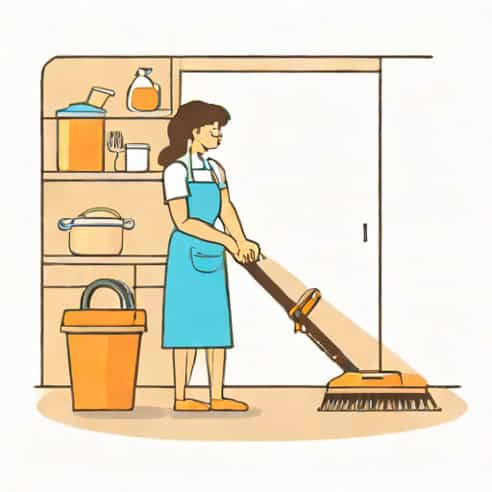
Housework is often considered a mundane daily task, yet it may have surprising health benefits beyond keeping a home tidy. Many people wonder if performing chores like sweeping, mopping, vacuuming, or washing dishes can actually count as exercise. Understanding whether housework qualifies as physical activity, its effects on the body, and how it compares to conventional workouts can help individuals make the most of their daily routines. This topic explores the connection between housework and fitness, the types of activities that offer cardiovascular and muscular benefits, and practical ways to turn household chores into a meaningful component of a healthy lifestyle.
Understanding Physical Activity
Physical activity refers to any movement that increases energy expenditure above resting levels. Traditional exercise includes structured routines such as jogging, cycling, strength training, or aerobics. However, everyday activities, including housework, also require energy and muscle engagement. The intensity, duration, and frequency of these movements determine whether they contribute significantly to overall fitness.
Housework often involves a combination of light, moderate, and occasionally vigorous activities. Tasks like sweeping or dusting may be light, while scrubbing floors, lifting laundry baskets, or moving furniture can elevate heart rate and engage multiple muscle groups. Recognizing these activities as potential forms of exercise can help individuals view daily chores as opportunities to support physical health.
Types of Housework That Provide Exercise Benefits
Not all household tasks offer the same level of physical benefit. Some chores are more effective at increasing heart rate, burning calories, and improving muscle strength than others. Examples of housework that can serve as moderate exercise include
Cleaning Floors
- Mopping, vacuuming, and sweeping involve continuous movement and weight shifting, which can strengthen legs and core muscles.
- Scrubbing surfaces often requires upper body engagement, enhancing arm and shoulder strength.
Laundry and Organizing
- Lifting and carrying laundry baskets engages the back, arms, and legs, similar to light strength training.
- Bending, stretching, and reaching while organizing closets or cabinets can improve flexibility and mobility.
Cooking and Kitchen Tasks
- Chopping, stirring, and kneading dough involve fine motor skills and upper body movement.
- Standing for extended periods while preparing meals can contribute to stamina and leg endurance.
Outdoor Chores
- Gardening, raking leaves, shoveling snow, and mowing the lawn can provide cardiovascular exercise, particularly when performed at a brisk pace.
- These activities often combine aerobic movement with muscular engagement, benefiting multiple fitness areas simultaneously.
Calories Burned Through Housework
The energy expenditure from housework varies depending on the task, intensity, and individual body weight. Light chores such as dusting or washing dishes may burn fewer calories, roughly 100 150 calories per hour. Moderate tasks like vacuuming, mopping, or gardening can burn 200 300 calories per hour. More vigorous activities, such as scrubbing floors or shoveling snow, may burn 400 calories or more per hour.
While housework alone may not replace a structured workout entirely, consistent engagement in physically demanding chores contributes to total daily energy expenditure and supports weight management goals. Over time, these activities can complement regular exercise routines to maintain or improve overall health.
Muscle Engagement and Strength Benefits
Housework can involve multiple muscle groups depending on the chore. For example
- Legs Squatting to pick up items, climbing stairs, and bending to clean floors engage quadriceps, hamstrings, and calves.
- Arms and Shoulders Scrubbing, lifting laundry, and moving furniture work biceps, triceps, and shoulder muscles.
- Core Bending, twisting, and reaching during chores help strengthen abdominal and lower back muscles.
Regular engagement in these activities may enhance functional strength, flexibility, and endurance, which are essential for performing everyday tasks safely and efficiently. Over time, this can reduce the risk of injury and support mobility in older adults.
Cardiovascular Benefits of Housework
Engaging in continuous, moderately vigorous housework can elevate heart rate and improve cardiovascular fitness. Activities such as brisk sweeping, gardening, or scrubbing floors provide aerobic exercise that increases blood circulation, strengthens the heart, and improves lung capacity. Incorporating several 20 30 minute sessions of such activity daily can support cardiovascular health, particularly for individuals who may find traditional workouts challenging or time-consuming.
Psychological and Mental Health Benefits
In addition to physical benefits, housework can have positive effects on mental health. Performing chores provides a sense of accomplishment, reduces stress, and may improve mood. The repetitive nature of certain tasks can also promote mindfulness, similar to meditation practices. Furthermore, maintaining a clean and organized home environment contributes to overall well-being, supporting both mental and emotional health.
Tips to Maximize Exercise Benefits from Housework
To ensure that housework contributes meaningfully to physical fitness, consider the following strategies
- Increase intensity Perform chores at a brisk pace or add movements like lunges, squats, or stretches during tasks.
- Combine tasks Engage multiple muscle groups simultaneously, such as lifting and walking while carrying laundry.
- Use proper posture Maintain correct alignment to prevent strain and maximize muscle engagement.
- Time management Set aside specific periods for chores to create a mini workout session rather than performing tasks sporadically.
- Track activity Consider using a fitness tracker to monitor steps, heart rate, and calories burned during chores.
Limitations of Housework as Exercise
While housework provides health benefits, it may not fully replace structured exercise programs. High-intensity cardiovascular training, weightlifting, or targeted flexibility exercises may still be necessary for optimal fitness. Housework tends to offer moderate, intermittent activity rather than continuous, high-intensity exercise required for certain fitness goals. Therefore, combining housework with other forms of exercise is recommended for a balanced approach to health and fitness.
Housework can indeed be considered a form of physical activity, offering moderate exercise benefits that contribute to cardiovascular health, muscle strength, flexibility, and overall well-being. While it may not completely replace structured workouts, incorporating household chores into a daily routine can enhance total energy expenditure, support functional fitness, and improve mental health. By increasing the intensity of tasks, combining movements, and maintaining proper posture, individuals can maximize the exercise potential of housework. Recognizing these everyday activities as valuable forms of exercise helps people make the most of their time, achieve better health outcomes, and maintain an active lifestyle without necessarily spending hours in the gym.