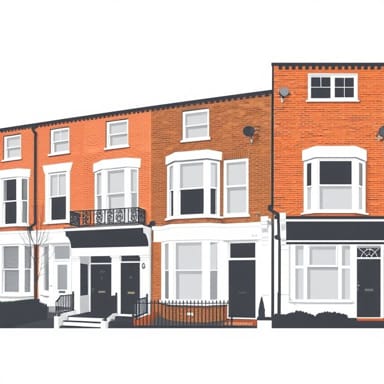
Hackney is indeed in London, and it plays an important role in the city’s cultural, historical, and social landscape. Located in the eastern part of the capital, Hackney is both a borough and a district, known for its diversity, creativity, and rapid development over recent decades. Many people wonder whether Hackney is a separate town or fully part of London, often due to its unique character and identity. To clarify, Hackney is one of the 32 boroughs that make up Greater London and falls well within the boundaries of the capital city.
Understanding Hackney’s Location Within London
Hackney is situated in Inner London, forming part of East London. It shares borders with several other London boroughs, including Islington to the west, Tower Hamlets to the south, Haringey to the north, and Waltham Forest to the northeast. This central position in the eastern portion of London gives Hackney easy access to both the city center and other parts of Greater London.
Geographical Placement
- Region Inner London
- Country England
- Greater London borough London Borough of Hackney
- Nearby boroughs Islington, Tower Hamlets, Haringey, Waltham Forest
- Postal areas E2, E5, E8, E9, N1, and N16
The area is well-connected by public transportation, with London Overground stations and numerous bus routes serving residents and visitors. Though Hackney lacks a London Underground station within its central core, nearby tube stations in surrounding areas are easily accessible.
The Administrative Role of Hackney
Hackney is officially known as the London Borough of Hackney. It is a local government district, established in 1965 when the former metropolitan boroughs of Hackney, Shoreditch, and Stoke Newington were merged. Since then, Hackney has operated under the administrative umbrella of Greater London, which means it functions within the jurisdiction of the city of London’s broader governance.
The borough is governed by the Hackney London Borough Council and is represented in the UK Parliament as part of several constituencies. It has its own elected mayor, councilors, and local services, just like other boroughs in London.
Local Government and Services
- Governing body Hackney London Borough Council
- Mayor of Hackney Directly elected
- Local services Waste collection, education, housing, and planning
- Part of Greater London Authority (GLA) area
This structure allows Hackney to manage its own local needs while remaining fully integrated into the wider city of London. Therefore, it is not an independent town or city, but an essential part of the capital.
Hackney’s Urban Character
Hackney is known for its vibrant neighborhoods, creative industries, and multicultural population. In the past, it was considered a working-class area with economic challenges. However, over the past few decades, Hackney has undergone rapid gentrification and urban regeneration, making it one of the trendiest and most dynamic areas in London.
The borough includes neighborhoods such as Dalston, Shoreditch, Stoke Newington, and Homerton, each offering unique characteristics. These areas contribute to Hackney’s reputation as a cultural and artistic hub within the capital.
Popular Areas in Hackney
- Dalston – Known for nightlife, music, and food
- Shoreditch – A hotspot for tech startups, art galleries, and fashion
- Stoke Newington – A leafy and family-friendly area with Victorian homes
- Hackney Central – The administrative and cultural heart of the borough
- London Fields – A popular park surrounded by markets and cafes
These neighborhoods reflect Hackney’s diversity and growth, attracting people from various backgrounds, including artists, professionals, and students. The area is now considered one of the most desirable places to live in East London.
Culture, History, and Identity
Hackney has a rich history that goes back many centuries. Originally a rural settlement outside the city, Hackney gradually became urbanized as London expanded. During the 19th and 20th centuries, the borough experienced waves of migration, bringing together communities from all over the world. Today, Hackney is celebrated for its cultural diversity, progressive attitudes, and artistic spirit.
Many historic buildings, markets, and places of worship coexist with modern housing developments and creative workspaces. The area is home to theaters, music venues, galleries, and street art, making it a cultural landmark in the wider London area.
Notable Cultural Features
- Hackney Empire – A historic theater offering drama, comedy, and music
- Broadway Market – A bustling street market known for food and crafts
- Victoria Park – A large public park shared with Tower Hamlets
- Hackney Museum – Showcasing local history and community stories
- Street art and murals throughout Shoreditch and Dalston
Economic and Social Landscape
Hackney’s economy has seen major transformation, particularly with the growth of the creative and tech industries. The so-called Silicon Roundabout near Old Street, just outside Hackney’s southern border, has contributed to rising investment and job opportunities in the borough. Co-working spaces, studios, and small businesses thrive in converted warehouses and modern office blocks.
Despite these developments, Hackney still faces challenges such as income inequality and housing pressures. However, public services, local initiatives, and strong community networks continue to support residents from all walks of life.
Key Economic Sectors
- Technology and startups
- Creative arts and design
- Retail and hospitality
- Education and healthcare
- Construction and property development
The borough also benefits from its proximity to the City of London, making it attractive for professionals who want to live close to the financial district while enjoying a more relaxed and cultural atmosphere.
Transport and Connectivity
Although Hackney does not have an Underground station within its central district, the area is very well connected. The London Overground network has several stations in the borough, such as Hackney Central, Dalston Junction, and Hoxton. Multiple bus routes, cycling lanes, and walking paths make the area easily navigable. Hackney also lies close to major transport hubs like Liverpool Street and Stratford.
Key Transportation Options
- London Overground – East London Line and North London Line
- Bus routes – Including 38, 55, 106, and many more
- Nearby Underground stations – Liverpool Street, Bethnal Green
- Cycle-friendly infrastructure and greenways
This accessibility contributes to Hackney’s popularity with commuters and visitors alike. Despite lacking a central tube line, it remains one of London’s most active and connected boroughs.
Hackney is unquestionably part of London. It is one of the 32 boroughs that form the capital, with its own distinct culture, governance, and geography. While it may feel like a unique city within a city due to its vibrant communities and urban style, Hackney functions fully under London’s administrative and political systems. From its creative industries and diverse population to its historical depth and modern infrastructure, Hackney remains a vital piece of what makes London a global city.