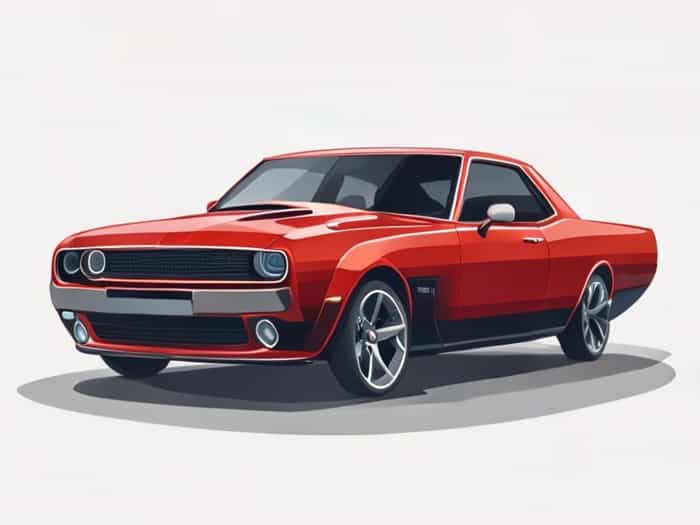
The Dodge Challenger has long been an icon in the American muscle car world, known for its powerful engines, aggressive styling, and exhilarating performance. Enthusiasts around the globe have admired its classic design and the roaring sounds of its V8 engines. However, with the automotive industry moving rapidly toward electrification, a common question arises is the Dodge Challenger electric? This topic explores the current state of the Dodge Challenger lineup, upcoming electric developments, comparisons with other electric vehicles, and what fans can expect in the near future, providing a comprehensive overview of Dodge’s approach to electric muscle cars.
The Current Dodge Challenger Lineup
As of today, the Dodge Challenger is not an electric vehicle. The current models are powered primarily by gasoline engines, ranging from the efficient V6 to the legendary HEMI V8 options. Dodge continues to offer several trims, including the SXT, GT, R/T, Scat Pack, and the top-of-the-line SRT Hellcat and SRT Demon models, all relying on internal combustion engines. These vehicles emphasize performance, horsepower, and traditional muscle car appeal rather than electric efficiency.
Engine Options
- 3.6-liter V6 Offers a balance of power and fuel efficiency for everyday driving.
- 5.7-liter HEMI V8 A classic muscle car engine with more aggressive performance.
- 6.4-liter HEMI V8 (Scat Pack) Provides high horsepower for serious enthusiasts.
- Supercharged 6.2-liter HEMI V8 (SRT Hellcat/Demon) The pinnacle of Dodge performance with over 700 horsepower.
Performance Focus
The Dodge Challenger remains focused on speed, power, and driving excitement. This traditional approach has kept the model popular among muscle car purists. Despite the growing interest in electric vehicles, Dodge continues to prioritize engine performance, aggressive styling, and a raw driving experience.
The Push Toward Electric Vehicles
The automotive industry is rapidly moving toward electrification due to environmental regulations, consumer demand, and advances in battery technology. Many manufacturers, including American muscle car brands, are exploring electric powertrains as a way to combine high performance with sustainability. Dodge is no exception, and rumors and announcements suggest that an electric Dodge vehicle is in development, though it may not replace the current Challenger immediately.
Dodge’s Electrification Plans
Dodge has publicly stated its commitment to an electrified future. The company has hinted at an all-electric muscle car that could potentially carry the Challenger name or a spiritual successor. The electric model is expected to focus on high performance, maintaining Dodge’s reputation for speed and excitement while incorporating zero-emission technology.
- Target release Speculation suggests that Dodge could release an electric muscle car by the mid-2020s.
- Battery and motor Expected to feature a high-capacity battery and multiple electric motors for maximum horsepower.
- Performance goals Dodge aims to ensure that the electric vehicle matches or exceeds the acceleration and thrill of traditional V8 engines.
Challenges for an Electric Dodge Challenger
Transitioning a traditional muscle car like the Dodge Challenger to electric power is not without challenges. Muscle car enthusiasts value the sound, feel, and experience of a gasoline engine. Replicating that experience with an electric powertrain requires innovative engineering and creative solutions.
Weight and Design Considerations
Electric vehicles rely on heavy battery packs, which can affect weight distribution and handling. For a muscle car, balancing the weight of batteries while maintaining agility and responsiveness is crucial. Dodge engineers must carefully design the chassis and suspension to accommodate electric components without compromising performance.
Preserving Muscle Car Identity
Electric vehicles produce instant torque and silent acceleration, which is different from the rumble of a V8 engine. For Dodge, preserving the identity of a Challenger while embracing electric technology will be a challenge. Designers may incorporate artificial sound systems or other features to maintain the visceral driving experience fans expect.
Comparisons with Other Electric Muscle Cars
While the Dodge Challenger is not yet electric, other manufacturers have introduced electric vehicles that target performance enthusiasts. For example, the Ford Mustang Mach-E GT and Tesla Model S Plaid provide high acceleration and performance while being fully electric. Dodge will need to position its electric muscle car carefully to compete in this emerging market while appealing to traditional muscle car fans.
- Ford Mustang Mach-E GT Offers high performance with an electric drivetrain in a recognizable brand.
- Tesla Model S Plaid Known for extreme acceleration and technology-focused features.
- Comparison challenge Dodge will need to merge classic muscle aesthetics with modern EV performance to succeed.
Consumer Expectations
Muscle car enthusiasts are curious about what an electric Dodge Challenger might offer. Expectations include
- High horsepower Comparable or exceeding the current Hellcat models.
- Fast acceleration 0-60 mph times that rival traditional V8 engines.
- Long range Sufficient battery capacity to support spirited driving without frequent charging.
- Authentic design Retaining the iconic Challenger look while incorporating futuristic elements.
Potential Advantages of an Electric Challenger
An electric Dodge Challenger could offer several benefits over traditional internal combustion models
- Instant torque Electric motors provide immediate acceleration.
- Lower emissions Contributes to environmental sustainability goals.
- Reduced maintenance Fewer moving parts than traditional engines.
- Enhanced technology Integration with modern infotainment and autonomous features.
the Dodge Challenger is not currently electric, and the existing lineup relies on gasoline engines ranging from V6s to high-powered V8s. However, Dodge is actively exploring electrification, and an electric muscle car could be on the horizon in the coming years. Challenges include preserving the traditional muscle car feel, managing weight distribution, and competing with other high-performance electric vehicles. Despite these challenges, an electric Dodge Challenger has the potential to combine classic American muscle car aesthetics with cutting-edge EV technology, offering enthusiasts a thrilling and sustainable alternative. As the automotive industry continues to evolve, Dodge is likely to embrace electrification while maintaining the heart and soul of what makes the Challenger an iconic symbol of performance and style.