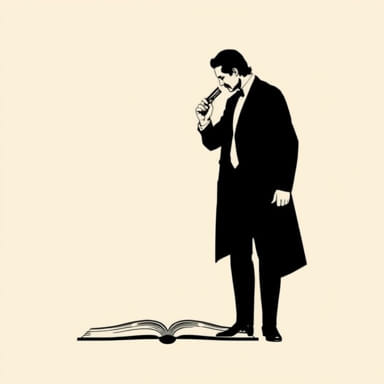
Many people today knowBarry Lyndonbecause of Stanley Kubrick’s 1975 film, a visually stunning period drama that has become a classic in cinema history. However, fewer people realize that before it was a film,Barry Lyndonwas a novel written in the 19th century. Asking whetherBarry Lyndonis a book leads to a fascinating exploration of its literary origins, historical context, and enduring cultural impact. The novel’s roots in the rich tradition of English literature reveal a story far more complex than the film alone might suggest.
Origins ofBarry Lyndonas a Novel
Yes,Barry Lyndonis indeed a book. Its full original title isThe Luck of Barry Lyndon A Romance of the Last Century. The novel was written by William Makepeace Thackeray, a prominent Victorian author best known for his satirical masterpieceVanity Fair. First published in serialized form inFraser’s Magazinein 1844, it was later issued as a complete novel in 1856 under the titleThe Memoirs of Barry Lyndon, Esq..
About the Author
Thackeray was one of the leading literary figures of the 19th century, known for his wit, social criticism, and vivid character portrayals. His works often explored themes of ambition, greed, and morality.Barry Lyndonstands out as one of his darker and more ironic creations, blending humor with a critical examination of social climbing and human folly.
Plot Overview of the Book
The novel tells the story of Redmond Barry, an Irishman of modest means who dreams of becoming part of the English aristocracy. Written as a fictional memoir, it allows Barry himself to narrate his life story, which adds layers of irony and unreliable narration. His journey includes military service, dueling, gambling, and marrying into wealth, but ultimately his ambition and arrogance lead to his downfall.
Key Themes in the Novel
- Ambition and Social Climbing– Barry’s desire to rise above his station is central to the narrative.
- Deception and Self-Delusion– His narration often distorts the truth to present himself in a better light.
- Fate and Fortune– The novel examines how chance events shape lives, often regardless of merit.
- Satire of Aristocratic Society– Thackeray uses Barry’s story to critique the pretensions of the upper class.
Writing Style and Structure
The novel’s most distinctive feature is its unreliable narrator. Barry is boastful, self-justifying, and often oblivious to his own faults. This narrative voice forces readers to question the truth of his claims and to read between the lines. Thackeray’s satirical tone and attention to detail give the book a unique place in 19th-century literature.
Serial Publication
Initially published in monthly installments, the story was designed to keep readers eager for the next episode. This episodic nature gives the novel a sense of momentum, even as Barry’s misadventures often lead him into trouble.
Historical Context
Barry Lyndonis set primarily in the 18th century, a time of political upheaval, social stratification, and imperial ambition. The novel reflects Thackeray’s fascination with this period, using it as a backdrop to explore timeless themes of ambition, morality, and identity. Its settings range from rural Ireland to European battlefields and aristocratic drawing rooms, painting a vivid portrait of the era.
Influence of Picaresque Tradition
The novel draws heavily on the picaresque tradition a genre featuring roguish protagonists who live by their wits in a corrupt society. Like earlier picaresque heroes, Barry navigates a world filled with deception, opportunity, and moral compromise.
From Book to Film
Stanley Kubrick adapted Thackeray’s novel into his 1975 filmBarry Lyndon. While the film follows the general outline of the book, Kubrick made changes in tone, pacing, and detail to suit the cinematic medium. The movie is known for its slow, deliberate style, meticulous attention to historical authenticity, and breathtaking cinematography.
Differences Between the Book and Film
- The novel’s first-person narration gives Barry a direct voice, while the film uses an omniscient narrator.
- Kubrick’s version softens some of Barry’s more repellent qualities, making him more sympathetic.
- The book contains more direct satire, while the film emphasizes visual storytelling and mood.
Why the Book Still Matters
Even though many people discoverBarry Lyndonthrough Kubrick’s film, the novel stands as a rich and rewarding work in its own right. Its narrative voice, historical setting, and satirical edge offer insights into human ambition and self-deception that remain relevant today.
Literary Significance
- It represents a notable example of the unreliable narrator in English literature.
- It provides a sharp critique of social aspiration and class distinctions.
- It contributes to the tradition of historical fiction with psychological depth.
Availability of the Book
Barry Lyndonis widely available today in various editions, including annotated versions and digital formats. Because it was published in the 19th century, it is now in the public domain in most countries, allowing free access through online archives and classic literature collections.
Reading Recommendations
- Start with the original novel to experience Thackeray’s voice and satire firsthand.
- Compare the book with Kubrick’s film adaptation to appreciate the differences in storytelling.
- Explore other Thackeray works likeVanity Fairfor a broader sense of his style and themes.
Barry Lyndonis unquestionably a book an important one in the canon of 19th-century English literature. Written by William Makepeace Thackeray, it offers a satirical yet insightful portrait of ambition, deception, and the pursuit of status. While Stanley Kubrick’s film adaptation has brought the story to a wider audience, the original novel provides a richer understanding of its central character and themes. Reading the book not only deepens appreciation for the story but also offers a window into the literary culture of the Victorian era, where wit, irony, and social critique went hand in hand with compelling storytelling.