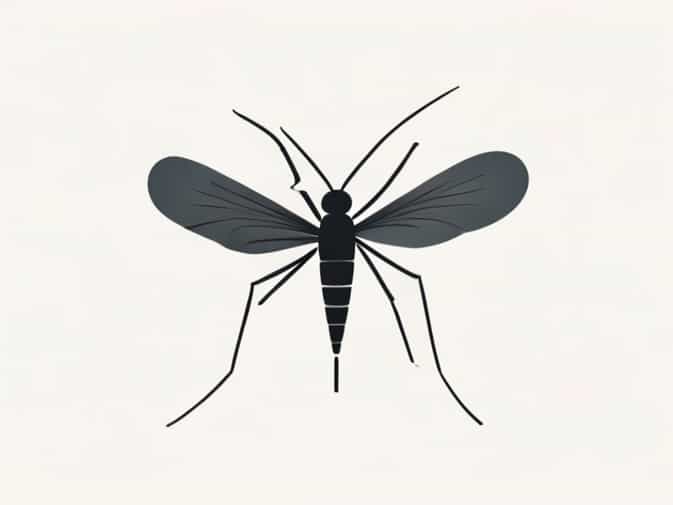
When discussing mosquitoes and their role in spreading diseases, one of the most commonly mentioned names is the Anopheles mosquito. This genus of mosquito is known worldwide for being the main carrier of malaria, one of the most dangerous infectious diseases in human history. However, many people wonder is the Anopheles mosquito female or male? Understanding the differences between male and female Anopheles mosquitoes is not just a matter of curiosity it is essential to understanding how malaria spreads, how these insects behave, and what makes them one of the most studied species in the world of entomology.
Understanding the Anopheles Mosquito
The Anopheles mosquito is one of the most important mosquito genera in the world, consisting of more than 400 species. Around 30 to 40 of these are capable of transmitting malaria to humans. They are found across tropical, subtropical, and temperate regions, making them a global health concern. What distinguishes Anopheles mosquitoes from other genera such as Aedes or Culex is their unique resting posture and the way they transmit the malaria parasite, known as Plasmodium.
Unlike other mosquitoes, the Anopheles rests with its body at an angle to the surface, rather than parallel. This seemingly small difference helps scientists identify them easily. But the real difference that matters lies between the sexes female and male Anopheles mosquitoes behave and function very differently in nature.
Are All Anopheles Mosquitoes Female?
Not all Anopheles mosquitoes are female. Just like most insect species, the population includes both males and females. However, when people talk about Anopheles mosquitoes in relation to malaria or biting humans, they are specifically referring to the female Anopheles. Only the females bite and feed on blood, while males do not. This single distinction has massive implications for disease transmission and ecology.
The Role of Female Anopheles Mosquitoes
Female Anopheles mosquitoes are the ones responsible for spreading malaria. They require blood meals to develop their eggs. The nutrients and proteins found in blood help their eggs mature properly. When a female Anopheles mosquito bites an infected person, it ingests the malaria parasite. Later, when it bites another person, it transfers the parasite through its saliva, infecting the new host.
This process makes the female Anopheles the primary vector of malaria. Without her, the parasite’s life cycle would be broken. Interestingly, female mosquitoes don’t always feed on blood; they also feed on nectar, similar to males. However, blood meals are necessary for their reproductive cycle, which is why they seek out humans or animals to bite.
- Female Anopheles mosquitoes bite to obtain blood for egg development.
- They are the main transmitters of malaria-causing parasites.
- Females can lay several batches of eggs after each blood meal.
- They are active mostly during dusk and dawn when humans are more exposed.
Life Cycle of the Female Anopheles
The life cycle of an Anopheles mosquito includes four stages egg, larva, pupa, and adult. After mating, the female searches for a suitable water surface to lay her eggs. These eggs hatch into larvae that live in the water, feeding on microorganisms. After several days, they transform into pupae, and finally, they emerge as adult mosquitoes.
Female Anopheles mosquitoes can live several weeks, depending on temperature and humidity. During their lifespan, they can lay hundreds of eggs. Each time they reproduce, they may require a new blood meal, which increases the chance of spreading malaria if they carry the parasite.
The Male Anopheles Mosquito
In contrast to the females, male Anopheles mosquitoes do not bite or feed on blood at all. Their diet consists solely of nectar and other plant sugars. Males have no interest in humans or animals because they don’t need blood to reproduce. Their primary role is to mate with females, often forming swarms at dusk where females come to find partners.
Male mosquitoes have a shorter lifespan than females, typically living only about a week. They are also distinguishable by their appearance. Male Anopheles mosquitoes have bushier antennae than females, which they use to detect the sound of female wing beats during mating. While males do not pose any direct threat to humans, they play a crucial ecological role in pollination due to their nectar-feeding behavior.
- Males feed exclusively on plant nectar.
- They have bushy antennae for detecting females.
- Males live shorter lives than females, usually around a week.
- They do not spread diseases or bite humans.
How to Distinguish Between Male and Female Anopheles
At first glance, male and female Anopheles mosquitoes may appear similar, but several features allow experts to tell them apart. The differences are visible under magnification or through behavior observation. Knowing these distinctions helps researchers and health professionals identify which populations are responsible for disease transmission.
Key Differences
- AntennaeMales have bushier antennae than females, which are used to sense female wing vibrations.
- Feeding BehaviorFemales feed on both nectar and blood; males feed only on nectar.
- Role in Disease TransmissionOnly females can transmit malaria parasites.
- Size and StructureFemales are usually larger and have narrower abdomens adapted for blood intake.
These differences are critical in mosquito control programs. By targeting female populations or disrupting mating cycles, scientists can reduce the number of mosquitoes capable of transmitting malaria.
Why Only Female Anopheles Spread Malaria
The reason only female Anopheles mosquitoes spread malaria lies in their biology. The malaria parasite, Plasmodium, completes part of its life cycle inside the mosquito. When a female mosquito takes a blood meal from an infected person, the parasite enters her body and develops in her gut. After about 10 to 14 days, the parasite moves to the mosquito’s salivary glands, ready to be transmitted to the next human victim.
Since male mosquitoes never take blood meals, they never ingest the parasite. This is why males play no role in malaria transmission. The female’s need for blood, combined with her long lifespan and repeated feeding behavior, makes her an efficient carrier of disease.
The Feeding Cycle
Female Anopheles mosquitoes often feed at night, especially between dusk and dawn. They are attracted by the carbon dioxide and body heat emitted by humans. After feeding, they rest for a few days while their eggs develop, then lay them in stagnant water. This cycle repeats several times during the mosquito’s life, each time with the potential to infect more people.
The Importance of Studying Female Anopheles Mosquitoes
Understanding the behavior and biology of female Anopheles mosquitoes is essential for malaria control. Many mosquito control strategies focus on preventing females from breeding or biting humans. For example, using mosquito nets, insect repellents, and eliminating standing water sources can reduce the number of bites and breeding sites.
Researchers also study female Anopheles genetics and behavior to develop new methods of control. Some programs aim to sterilize male mosquitoes, reducing the number of offspring produced. Others involve introducing genetically modified mosquitoes that are resistant to the malaria parasite. All of these efforts rely on the basic understanding that only the female Anopheles spreads malaria.
Environmental and Ecological Role
Despite their bad reputation, Anopheles mosquitoes both male and female play a role in the ecosystem. They serve as food for fish, birds, and other insects. Their larvae help recycle organic matter in aquatic environments. However, the danger posed by females as malaria vectors continues to make them one of the most closely monitored insects in the world.
So, is the Anopheles mosquito female? The answer is that both male and female Anopheles mosquitoes exist, but only the females are responsible for biting humans and transmitting malaria. Their unique biological need for blood meals makes them the main link in the malaria life cycle. Males, on the other hand, live peacefully on nectar, never harming humans directly. By understanding the roles and differences between the sexes, scientists and communities can develop more effective strategies to control malaria and reduce its global impact. The study of the female Anopheles mosquito remains vital not only for understanding disease transmission but also for protecting millions of lives around the world.