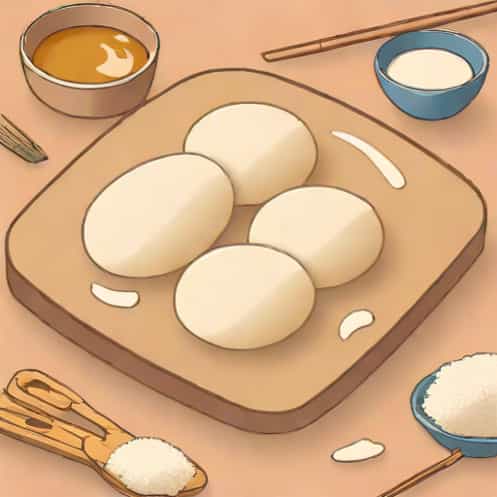
Mochi is a beloved Japanese treat known for its soft, chewy texture and subtle sweetness. Many people around the world want to learn how to make mochi with glutinous rice flour because it is easier and more accessible than traditional methods that use steamed and pounded rice. With simple ingredients and a clear understanding of the process, anyone can make delicious homemade mochi that feels authentic while still being beginner friendly.
What Is Mochi and Why Glutinous Rice Flour Is Used
Mochi is a type of rice cake traditionally eaten in Japan, especially during celebrations and festivals. Its signature chewy texture comes from glutinous rice, also known as sticky rice. Glutinous rice flour, often labeled as sweet rice flour or mochiko, is made from this rice and is essential for achieving the correct texture.
When learning how to make mochi with glutinous rice flour, it is important to understand that glutinous does not mean it contains gluten. Instead, it refers to the sticky quality of the rice after cooking.
Ingredients Needed to Make Mochi
One of the reasons mochi is so popular is its simple ingredient list. Most ingredients are easy to find in Asian grocery stores or online.
- Glutinous rice flour
- Sugar
- Water or milk
- Cornstarch or potato starch for dusting
- Optional filling such as red bean paste, chocolate, or fruit
These basic ingredients form the foundation of homemade mochi.
Choosing the Right Glutinous Rice Flour
Not all rice flour is suitable for mochi. Regular rice flour will not create the same chewy texture. Always choose flour labeled glutinous rice flour or sweet rice flour.
Using the correct flour is one of the most important steps in how to make mochi with glutinous rice flour successfully.
Preparing the Mochi Dough
The first step is mixing the dry and wet ingredients. In a heat-safe bowl, glutinous rice flour is combined with sugar, then water or milk is added gradually.
The mixture should be smooth and free of lumps. Stirring well ensures even cooking and a uniform texture.
Cooking Methods for Mochi
There are two common methods for cooking mochi dough steaming and microwaving. Both methods work well and produce similar results.
Steaming Method
Steaming is closer to the traditional approach. The dough is covered and steamed for about 15 to 20 minutes until it becomes thick, sticky, and translucent.
This method provides even heat and excellent texture.
Microwave Method
The microwave method is faster and more convenient. The dough is heated in short intervals, stirred in between, until it thickens and turns glossy.
For many home cooks, this is the easiest way to learn how to make mochi with glutinous rice flour.
How to Know When Mochi Dough Is Ready
Properly cooked mochi dough will look shiny and slightly translucent. It should be very sticky and stretchy when stirred.
If the dough looks opaque or powdery, it needs more cooking time.
Handling the Sticky Dough
Mochi dough is extremely sticky, which can be challenging for beginners. Generously dusting your work surface and hands with cornstarch or potato starch prevents sticking.
Careful handling makes shaping much easier and more enjoyable.
Shaping the Mochi
Once the dough has cooled slightly, it can be divided into small portions. Each portion is flattened gently into a round shape.
If adding a filling, place a small amount in the center and carefully wrap the dough around it, pinching the edges to seal.
Popular Mochi Fillings
While plain mochi is delicious, fillings add variety and flavor.
- Sweet red bean paste
- Peanut butter
- Chocolate ganache
- Fresh strawberries
- Ice cream (for mochi ice cream)
Choosing the right filling enhances the experience of homemade mochi.
Flavoring the Mochi Dough
Mochi dough itself can be flavored by adding ingredients such as matcha powder, cocoa powder, or fruit puree.
This allows creative variations while still following the basic method of how to make mochi with glutinous rice flour.
Texture Tips for Perfect Mochi
The ideal mochi texture is soft, elastic, and chewy without being tough.
Using the correct ratio of flour to liquid and avoiding overcooking are key factors in achieving this balance.
Common Mistakes to Avoid
Beginners sometimes encounter problems when making mochi.
- Using regular rice flour instead of glutinous rice flour
- Adding too much flour, making mochi dry
- Not dusting enough starch during shaping
- Overfilling, which causes tearing
Avoiding these mistakes leads to better results.
Serving and Storing Mochi
Fresh mochi tastes best on the same day it is made. It can be enjoyed at room temperature as a snack or dessert.
If storing, keep mochi in an airtight container. Refrigeration can make it firm, so letting it sit at room temperature before eating helps restore softness.
Mochi in Different Cultures
While mochi originates from Japan, similar rice-based sweets exist across Asia. Homemade mochi has also become popular worldwide due to its unique texture.
Learning how to make mochi with glutinous rice flour allows people to appreciate this cultural treat in their own kitchens.
Why Homemade Mochi Is Worth Making
Making mochi at home gives full control over sweetness, fillings, and flavors. It is also a fun hands-on cooking experience.
The process may feel unfamiliar at first, but it becomes easier with practice.
Tips for First-Time Mochi Makers
Start with small batches and simple fillings. Focus on understanding texture rather than perfection.
Confidence grows quickly once you see how forgiving the dough can be.
Learning how to make mochi with glutinous rice flour is a rewarding experience that combines simplicity with creativity. With just a few ingredients and basic kitchen tools, you can create a soft, chewy dessert that feels special and comforting.
By choosing the right flour, cooking the dough properly, and handling it with care, anyone can enjoy fresh homemade mochi. Whether plain or filled, mochi made this way offers a delicious introduction to a classic treat enjoyed across generations and cultures.