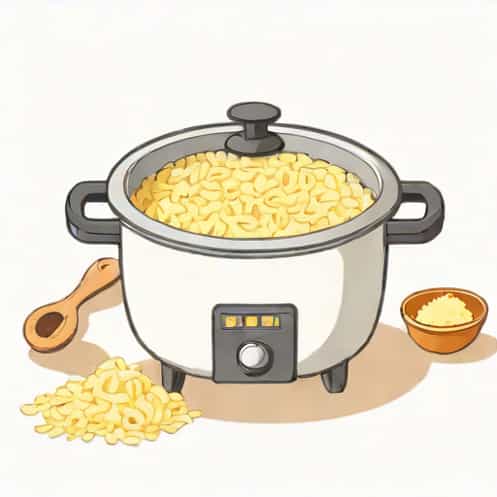
Glutinous rice is a staple ingredient in many Asian dishes, known for its sticky texture and slightly sweet flavor. Many home cooks assume it must be steamed using traditional methods, but learning how to cook glutinous rice in a rice cooker can save time and effort. With the right preparation and water ratio, a rice cooker can produce soft, chewy glutinous rice suitable for both savory and sweet recipes. This method is practical for everyday cooking and accessible even for beginners.
Understanding Glutinous Rice
Glutinous rice, also called sticky rice or sweet rice, is different from regular long-grain or medium-grain rice. Despite its name, it does not contain gluten. The term glutinous refers to its sticky texture after cooking.
This type of rice is high in amylopectin, which causes the grains to clump together. Because of this unique composition, glutinous rice requires a slightly different cooking approach compared to standard white rice.
Can You Cook Glutinous Rice in a Rice Cooker?
Yes, you can cook glutinous rice in a rice cooker, and the results can be very satisfying. While steaming is the traditional method, a rice cooker offers a convenient alternative for home kitchens. The key lies in soaking the rice properly and using less water than you would for normal rice.
Rice cookers provide consistent heat and automatic shut-off, making them ideal for controlled cooking. As long as you follow the correct steps, the rice cooker method works well.
Ingredients and Tools You Will Need
Before starting, gather everything you need. Keeping ingredients simple helps maintain the natural flavor and texture of the rice.
- Glutinous rice
- Clean water
- Rice cooker
- Measuring cup
- Fine strainer
Step One Measuring the Rice
Accurate measurement is important when cooking glutinous rice. A common starting point is one cup of uncooked glutinous rice, which yields enough for several servings depending on the dish.
Using the measuring cup that comes with your rice cooker ensures consistency. Avoid overfilling the cooker, as sticky rice expands and can clump together.
Step Two Washing the Rice
Rinsing glutinous rice removes excess surface starch and any debris. Place the rice in a bowl, add water, and gently swirl it with your hand. Drain the cloudy water and repeat the process several times.
Continue rinsing until the water becomes mostly clear. This step improves texture and prevents the rice from becoming overly gummy.
Step Three Soaking the Glutinous Rice
Soaking is one of the most important steps when learning how to cook glutinous rice in a rice cooker. Unlike regular rice, glutinous rice benefits greatly from soaking before cooking.
Soak the rinsed rice in clean water for at least four hours. For best results, soak it overnight. This allows the grains to absorb moisture evenly, leading to better texture.
Why Soaking Matters
- Ensures even cooking
- Improves softness and chewiness
- Reduces cooking time
Step Four Draining Before Cooking
After soaking, drain the rice thoroughly using a fine strainer. Excess water can cause the rice to become mushy. Let it sit for a few minutes to remove as much moisture as possible.
This step is essential for achieving the right balance between softness and stickiness.
Step Five Adding Water to the Rice Cooker
The water ratio for glutinous rice is different from regular rice. Typically, use less water than usual. A common ratio is one cup of soaked glutinous rice to three-quarters of a cup of water.
Pour the drained rice into the rice cooker pot, add the measured water, and gently level the rice. Avoid stirring too much, as this can affect texture.
Step Six Cooking the Glutinous Rice
Close the rice cooker lid and select the standard white rice setting if there is no specific option for sticky rice. Most rice cookers will automatically adjust cooking time based on moisture levels.
Once the cycle completes, allow the rice to rest in the cooker for about ten minutes. This resting period helps redistribute moisture and improves texture.
Step Seven Fluffing and Serving
After resting, gently fluff the glutinous rice using a rice paddle or fork. Be careful not to mash the grains. The rice should be sticky but not wet.
At this stage, the rice is ready to serve or use in recipes. It can be shaped, wrapped, or combined with other ingredients.
Common Mistakes to Avoid
Even with a rice cooker, mistakes can happen. Knowing what to avoid helps ensure consistent results.
- Skipping the soaking step
- Using too much water
- Not draining soaked rice properly
- Opening the lid too often during cooking
Using Glutinous Rice in Different Dishes
Once cooked, glutinous rice is incredibly versatile. It can be used in savory dishes such as sticky rice with meat, or sweet dishes like rice cakes and desserts.
You can also season it lightly with salt or coconut milk depending on the recipe. Cooking glutinous rice in a rice cooker makes it easy to prepare for a wide range of meals.
Storing and Reheating Glutinous Rice
Leftover glutinous rice can be stored in an airtight container in the refrigerator for up to two days. Because it hardens when cold, reheating properly is important.
To reheat, sprinkle a small amount of water over the rice and microwave it covered. This helps restore moisture and softness.
Cooking Glutinous Rice in a Rice Cooker
Learning how to cook glutinous rice in a rice cooker opens up new possibilities for home cooking. With proper soaking, accurate water measurement, and patience, you can achieve excellent results without traditional steaming equipment. This method is practical, reliable, and well-suited for everyday kitchens. By following these steps, anyone can enjoy perfectly cooked glutinous rice with the convenience of a rice cooker.