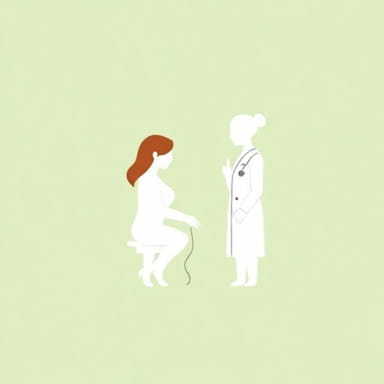
Becoming an obstetrician is a rewarding and challenging career path that requires dedication, extensive education, and specialized training. Obstetricians are medical doctors who specialize in pregnancy, childbirth, and the postpartum period, providing care for both the mother and the unborn child. They work closely with patients to monitor health, manage complications, and ensure safe delivery. The journey to becoming an obstetrician involves multiple stages, including undergraduate education, medical school, residency, and often further subspecialty training. Understanding the steps, requirements, and skills needed can help aspiring physicians plan effectively and succeed in this specialized field of medicine.
Educational Requirements
The first step to becoming an obstetrician is completing a solid foundation in education. A strong academic background in science and healthcare-related subjects is crucial.
Undergraduate Degree
Most aspiring obstetricians begin by earning a bachelor’s degree, typically in a science-related field such as biology, chemistry, or pre-medical studies. This stage usually lasts four years and involves coursework in
- Biology
- Chemistry (general and organic)
- Physics
- Mathematics
- Anatomy and physiology
- Health-related electives
Gaining clinical experience through volunteering at hospitals, clinics, or healthcare organizations can also strengthen medical school applications. Strong grades, leadership roles, and participation in research projects enhance competitiveness for medical school admission.
Medical College Admission Test (MCAT)
After completing undergraduate studies, aspiring obstetricians must take the MCAT, a standardized test assessing knowledge in sciences, critical thinking, and problem-solving. A high MCAT score is critical for acceptance into reputable medical schools.
Medical School
Medical school typically lasts four years and provides a combination of classroom education and clinical experience. The first two years generally focus on foundational medical knowledge, including
- Human anatomy and physiology
- Biochemistry
- Pharmacology
- Pathology
- Medical ethics
- Introduction to patient care
The final two years emphasize clinical rotations, where students gain hands-on experience in various specialties, including obstetrics and gynecology. Rotations allow students to observe patient care, participate in procedures, and develop essential clinical skills under supervision.
Choosing Obstetrics and Gynecology
During clinical rotations, medical students often identify their preferred specialty. Those interested in obstetrics and gynecology should seek opportunities to work with OB/GYN physicians, observe deliveries, participate in prenatal care, and engage in related research. Mentorship from experienced obstetricians can provide valuable guidance and networking opportunities.
Residency Training
After medical school, graduates must complete a residency program in obstetrics and gynecology, which typically lasts four years. Residency involves intensive hands-on training in hospitals and clinics, covering areas such as
- Prenatal care and monitoring
- Labor and delivery management
- Gynecologic surgery
- High-risk pregnancy management
- Postpartum care
- Emergency obstetric procedures
Residents work under supervision, gradually taking on more responsibility as they gain experience. The residency period is physically and emotionally demanding but provides the comprehensive skills needed to practice independently as an obstetrician.
Board Certification
Upon completing residency, obstetricians can seek board certification through the American Board of Obstetrics and Gynecology (ABOG) or relevant national boards in other countries. Board certification involves passing written and oral exams to demonstrate knowledge, clinical competence, and professional standards in obstetrics and gynecology.
Fellowship and Subspecialization
Some obstetricians choose to pursue further subspecialty training, called a fellowship, which can last 1-3 years depending on the focus. Subspecialties include
- Maternal-fetal medicine (high-risk pregnancies)
- Reproductive endocrinology and infertility
- Gynecologic oncology
- Urogynecology
Subspecialty training allows obstetricians to focus on advanced procedures, research, and complex patient care, expanding career opportunities and expertise.
Skills Required to Become an Obstetrician
Becoming a successful obstetrician requires a combination of medical knowledge, technical skill, and interpersonal abilities. Essential skills include
Medical Knowledge and Technical Skills
Obstetricians must understand human anatomy, physiology, and pathology, and be skilled in procedures such as cesarean sections, episiotomies, and laparoscopic surgeries. Staying updated with medical advancements is critical for safe and effective patient care.
Communication and Empathy
Obstetricians work closely with patients during emotionally charged experiences, such as childbirth or complications in pregnancy. Clear communication, empathy, and emotional support are vital for building trust and ensuring patients understand medical decisions and procedures.
Problem-Solving and Decision-Making
Pregnancy and childbirth can involve unexpected complications. Obstetricians must make quick, informed decisions to ensure the safety of both mother and child, often under high-pressure situations.
Licensing and Continuing Education
After completing residency and obtaining board certification, obstetricians must maintain a medical license to practice. Licensing requirements vary by country or state but generally include
- Passing national or regional medical licensing exams
- Providing proof of completed residency
- Meeting continuing medical education (CME) requirements
Obstetricians are required to participate in CME to stay current with evolving medical guidelines, technologies, and best practices. Lifelong learning is a critical component of this medical career.
Career Opportunities and Work Environment
Obstetricians can work in a variety of settings, including hospitals, private practices, clinics, academic institutions, and research organizations. Their work schedule can be demanding, often including night shifts, on-call hours, and emergency interventions. Despite these challenges, many obstetricians find the career highly rewarding due to the opportunity to assist in bringing new life into the world and improving maternal and child health.
Job Outlook and Salary
The demand for obstetricians remains strong due to ongoing population growth and the need for maternal healthcare. Salaries vary depending on location, experience, and practice setting, but obstetricians generally enjoy high earning potential and job stability.
Becoming an obstetrician requires years of dedicated education, training, and practical experience. The path includes earning an undergraduate degree, completing medical school, participating in residency training, and obtaining board certification. Skills in medical knowledge, communication, empathy, problem-solving, and decision-making are essential. Some obstetricians pursue fellowships for subspecialty expertise, further enhancing career opportunities. While the journey is demanding, the rewards of supporting maternal and child health, working in a dynamic medical field, and achieving personal and professional fulfillment make becoming an obstetrician a highly respected and meaningful career choice. Lifelong learning, dedication to patient care, and a commitment to professional development are critical for success in this specialized field of medicine.