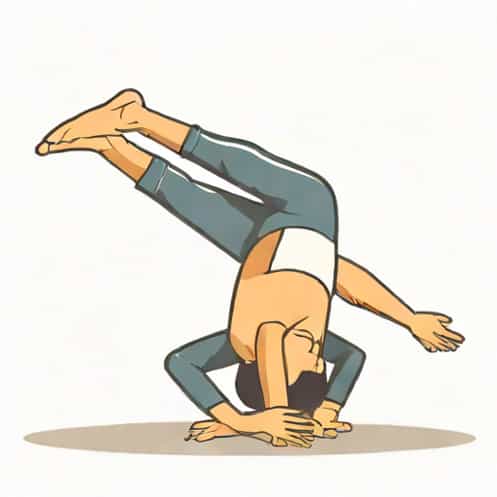
Becoming a contortionist is often seen as a long-term commitment requiring years of training, flexibility, and discipline. However, some people are curious if it’s possible to start the journey in just one day. While achieving full contortionist abilities in 24 hours is unrealistic, beginners can take significant steps toward flexibility, body awareness, and strength that form the foundation for contortion. With proper guidance, safety precautions, and focused exercises, even a single day can provide a meaningful introduction to contortion and help set the stage for long-term progress.
Understanding Contortion
What Contortion Involves
Contortion is the art of bending and flexing the human body into extreme positions that seem almost impossible. Professional contortionists combine flexibility, strength, and balance to perform splits, backbends, and intricate poses. It requires control over joints, muscles, and breathing, as well as awareness of body limits to prevent injury. Before attempting contortion, understanding these principles is essential.
Risks and Precautions
Attempting contortion without preparation can be dangerous. Strains, sprains, and long-term joint damage are possible if movements are forced. Beginners should always prioritize safety
- Warm up thoroughly before stretching
- Listen to your body and avoid pain
- Practice on a soft, supportive surface
- Consider guidance from a professional or online tutorials
Step 1 Warm Up Your Body
Importance of Warm-Up
Before any flexibility training, the muscles, joints, and ligaments need to be properly warmed up. A good warm-up increases blood flow, improves elasticity, and reduces the risk of injury. Spending at least 10-15 minutes on dynamic movements helps prepare the body for deeper stretches.
Effective Warm-Up Exercises
- Jumping jacks or light cardio to increase heart rate
- Arm circles and shoulder rolls to loosen the upper body
- Hip circles and leg swings for lower body mobility
- Gentle spinal twists and torso rotations for back flexibility
Step 2 Stretch Major Muscle Groups
Focus Areas for Contortion
Contortion relies on flexibility in key areas the spine, hips, shoulders, and legs. Stretching these areas helps prepare for basic contortion poses and improves overall mobility.
- BackCobra stretches, cat-cow poses, and gentle backbends loosen the spine.
- LegsHamstring and quad stretches improve splits and leg extensions.
- HipsButterfly stretches, lunges, and pigeon poses open hip joints.
- ShouldersArm stretches and shoulder rolls enhance upper body flexibility.
Stretching Tips
Hold each stretch for 20-30 seconds and repeat two to three times. Breathe deeply and focus on relaxing the muscles rather than forcing the movement. Stretching should create mild tension but never sharp pain.
Step 3 Practice Basic Contortion Poses
Starting Simple
In one day, beginners should focus on foundational poses that increase flexibility and control without causing injury. These include
- Seated Forward FoldImproves hamstring flexibility and spinal lengthening.
- Bridge PoseStrengthens the back and shoulders while opening the chest.
- Standing Side StretchLengthens the sides of the body and increases lateral flexibility.
- Simple SplitsStart with partial splits, gradually sliding deeper as flexibility improves.
Progression Tips
Focus on smooth, controlled movements and avoid bouncing into positions. Contortion is about control as much as flexibility. Practicing slowly allows the muscles and joints to adjust safely, laying a strong foundation for advanced poses in the future.
Step 4 Strengthen Key Muscles
Why Strength Matters
Flexibility alone is not enough. Strength in the core, back, and legs is essential for holding contortion poses safely and effectively. Without strength, you risk collapsing or injuring yourself during stretches.
Basic Strength Exercises
- Planks and side planks for core stability
- Glute bridges and leg lifts for lower body support
- Superman exercises for back strength
- Push-ups or modified push-ups for shoulder stability
Step 5 Cool Down and Recovery
Importance of Cooling Down
After intense stretching and contortion practice, the body needs to recover. Cooling down helps prevent soreness and supports muscle repair. Gentle stretches, deep breathing, and relaxation techniques can aid recovery and maintain flexibility gains.
Recovery Tips
- Use gentle stretches to relax muscles
- Stay hydrated and replenish electrolytes
- Consider foam rolling or massage to release tension
- Rest adequately to allow muscles to heal and adapt
Realistic Expectations
While it is not possible to become a professional contortionist in one day, beginners can achieve noticeable flexibility improvement, learn basic poses, and develop body awareness. The first day can serve as a starting point for a long-term practice that gradually builds strength, flexibility, and control over months or years. Regular practice, patience, and proper guidance are key to mastering contortion safely and effectively.
Tips for Continued Progress
- Practice daily or at least several times a week to maintain flexibility.
- Combine stretching with strength training to prevent injuries.
- Use online tutorials, classes, or professional instruction to learn correct techniques.
- Listen to your body and avoid pushing too hard, especially with advanced poses.
- Track your progress to stay motivated and gradually increase the difficulty of poses.
Becoming a contortionist in one day is more about laying the groundwork than achieving mastery. By warming up, stretching major muscle groups, practicing basic poses, building strength, and cooling down properly, beginners can start their journey safely and effectively. Understanding the risks, focusing on body control, and adopting a realistic approach will ensure progress without injury. Over time, consistent practice and dedication can transform these initial efforts into advanced contortion skills, making what begins as a single day’s effort the start of a lifelong pursuit of flexibility, balance, and artistry.