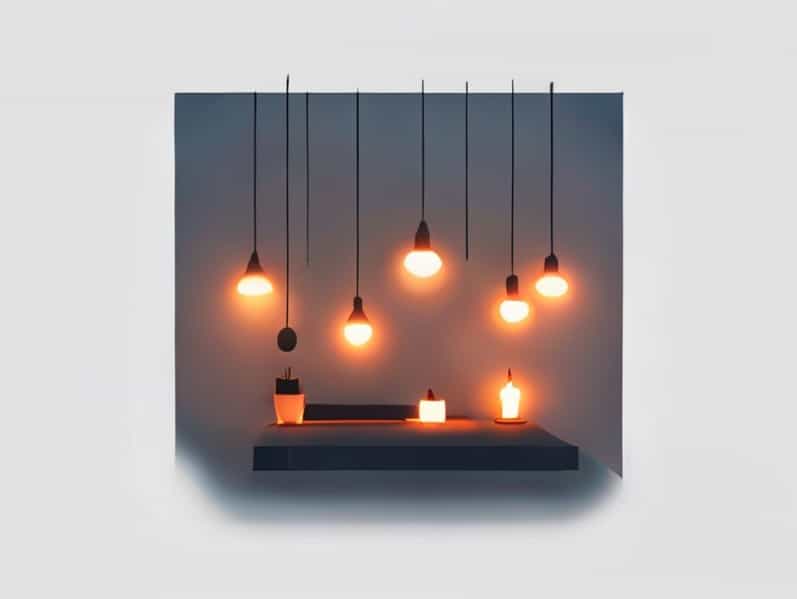
LED lights have become increasingly popular for room lighting due to their energy efficiency, long lifespan, and versatility in design. Many homeowners and renters are exploring options for LED lights to enhance their spaces, whether for bedrooms, living rooms, or home offices. One of the most common questions when planning LED lighting is, How much do LED lights for a room cost? Understanding the factors that influence price, the different types of LED lights available, and the potential savings over time can help make an informed decision that balances aesthetics, functionality, and budget.
Factors Affecting the Cost of LED Lights
The cost of LED lights varies depending on several factors, including type, brand, quality, and additional features. High-quality LEDs may have a higher upfront cost but offer longer lifespans and better energy efficiency. Other factors such as installation requirements, size of the room, and whether the lights are dimmable or smart-controlled can also influence the overall expense. By evaluating these variables, you can estimate the total investment required for LED lighting in a particular room.
Type of LED Lights
Different types of LED lights have different price ranges. Popular options include
- LED BulbsStandard replacements for incandescent or fluorescent bulbs, usually ranging from $2 to $15 per bulb.
- LED StripsFlexible strips that can be installed under cabinets, along walls, or behind TVs, with prices ranging from $10 to $50 per roll, depending on length and quality.
- Recessed LED LightsOften used in ceilings for a modern look, costing between $20 and $70 per fixture, excluding installation.
- LED Panel LightsLarger panels suitable for offices or living rooms, generally priced from $50 to $150 each.
- Smart LED LightsWi-Fi or Bluetooth-enabled lights that can be controlled with apps or voice assistants, usually ranging from $15 to $60 per bulb or fixture.
Room Size and Layout
The size of the room plays a significant role in determining how many LED lights are needed and the overall cost. A small bedroom may only require a few bulbs or a single LED strip, while a large living room might need multiple recessed lights or panels. Additionally, ceiling height, furniture layout, and natural light availability affect lighting needs. Calculating the total wattage and lumens required ensures the room is evenly lit without unnecessary expenses.
Estimating Quantity of Lights
To estimate how many LED lights you need for a room, consider the following guidelines
- Measure the square footage of the room.
- Calculate the total lumens needed based on the room’s function (e.g., 2,000-3,000 lumens for a bedroom, 4,000-6,000 lumens for a living room).
- Check the lumens output of the LED lights you plan to purchase.
- Divide the total lumens by the lumens per light to determine the number of fixtures required.
Installation Costs
In addition to the price of the LED lights themselves, installation costs may add to the overall expense. Simple plug-and-play bulbs require no professional installation, while recessed lighting or complex smart lighting setups may require hiring an electrician. Installation fees vary depending on complexity, ranging from $50 to $200 or more per fixture. Budgeting for installation ensures there are no surprises when the project is complete.
DIY vs Professional Installation
If you are comfortable with basic electrical work, some LED installations can be done yourself, saving on labor costs. However, for ceiling fixtures, recessed lights, or integrated smart systems, professional installation is often safer and more efficient. Weighing the cost of labor against the potential risks and quality of installation is important when planning your LED lighting setup.
Energy Efficiency and Long-Term Savings
One of the main advantages of LED lights is their energy efficiency. Although the upfront cost may be higher than traditional incandescent or fluorescent lights, LED lights use significantly less electricity and have a longer lifespan, often lasting 15,000 to 50,000 hours. This translates to lower energy bills and fewer replacements over time. Over the life of the lights, the initial investment is often offset by these long-term savings, making LED lighting a cost-effective choice for most rooms.
Comparing Energy Costs
- LED bulbs use 75-80% less energy than incandescent bulbs.
- Reduced electricity usage lowers monthly utility bills.
- Fewer replacements save money and reduce waste.
- Some utility companies offer rebates or incentives for switching to LED lighting.
Additional Features and Costs
LED lights often come with additional features that can affect price. Dimmable LEDs allow for adjustable brightness, while color-changing options provide customizable ambiance. Smart LEDs can be integrated with home automation systems, offering remote control and scheduling. Each of these features increases the cost but adds convenience and versatility. Evaluating which features are necessary for your room will help determine the appropriate budget.
Balancing Cost and Quality
When purchasing LED lights, it is important to balance cost and quality. Extremely low-priced LEDs may not last as long or provide consistent light output, while premium brands offer better durability, color accuracy, and energy efficiency. Reading reviews, checking manufacturer specifications, and considering warranty options can help ensure you get the best value for your money.
Budgeting for Your Room
Considering all factors, a typical cost range for LED lights in a standard room may be as follows
- Small bedroom $20-$100 for basic bulbs or strips
- Medium living room $100-$300 for multiple bulbs, panels, or recessed lights
- Large room or advanced smart setup $300-$800 or more, including installation and smart features
These estimates include both the lights and potential installation costs. Planning a budget according to the type of LED, room size, and desired features ensures a well-lit, energy-efficient, and aesthetically pleasing space without overspending.
LED lights for a room can vary in price based on type, quality, size of the space, and additional features. While standard bulbs are inexpensive and easy to install, more complex setups with recessed lights, panels, or smart capabilities can increase the cost. Considering installation, energy efficiency, long-term savings, and desired features helps determine the overall budget. By carefully planning your LED lighting, you can achieve a bright, comfortable, and energy-efficient room that meets both functional and aesthetic needs.