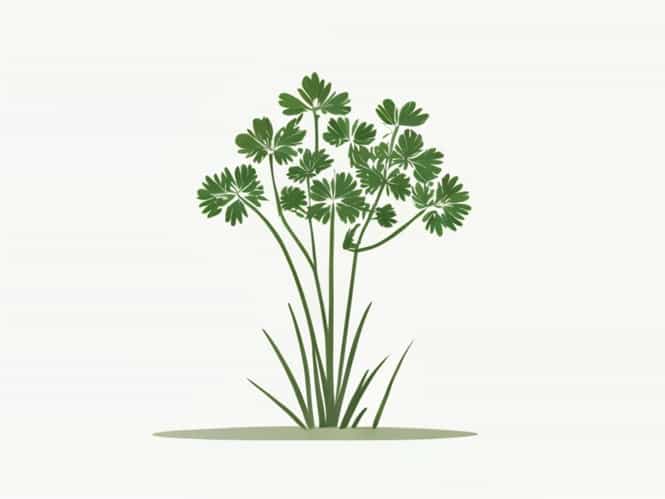
Chickweed is a common weed found in gardens, lawns, and disturbed soils around the world. Known for its small white flowers and rapid growth, it can quickly take over areas if left unmanaged. Understanding how chickweed spreads is essential for gardeners, farmers, and land managers seeking to control its growth and prevent infestations. Its adaptability, reproductive strategies, and environmental tolerance make chickweed a highly efficient plant in colonizing new areas. By exploring the ways chickweed spreads, including its seed dispersal, vegetative growth, and environmental factors, we can gain a comprehensive understanding of why this weed is so persistent and widespread.
Seed Dispersal
One of the primary ways chickweed spreads is through its seeds. Chickweed produces a large number of tiny seeds that can remain viable in the soil for several years. These seeds are lightweight and easily transported by wind, water, animals, and human activity. Key aspects of chickweed seed dispersal include
- Wind DispersalChickweed seeds are small and lightweight, allowing them to be carried short distances by the wind. This can result in the colonization of nearby bare soil patches and garden beds.
- Water DispersalSeeds can be moved by rain runoff or irrigation, spreading to different areas within a garden or agricultural field.
- Animal and Human ActivitySeeds can stick to clothing, footwear, or animal fur, helping the plant spread to new locations.
- Soil PersistenceChickweed seeds can remain dormant in the soil for years, germinating when conditions are favorable, ensuring long-term survival and spread.
These dispersal mechanisms make chickweed particularly resilient and capable of quickly establishing in new areas. Gardeners must remain vigilant, as even a small number of seeds can result in a significant infestation over time.
Vegetative Growth
In addition to spreading through seeds, chickweed also propagates through vegetative growth. The plant produces stems that can root at nodes when they come into contact with the soil. This allows a single plant to form dense mats that cover soil surfaces and compete with other vegetation. Key features of vegetative spread include
- Stolon FormationChickweed stems grow along the ground and develop roots at intervals, creating new plants from the parent plant.
- Rapid GrowthThe plant can grow quickly under favorable conditions, enabling it to cover large areas and suppress other plants.
- Resilience to DisturbanceEven when cut or pulled, pieces of chickweed stems left in the soil can regenerate into new plants, making control difficult.
Vegetative growth allows chickweed to dominate garden beds and lawns, forming dense mats that reduce sunlight and nutrient availability for other plants. This dual strategy of seed and vegetative propagation contributes to its success as a weed.
Environmental Factors Affecting Spread
Chickweed’s ability to spread is enhanced by its tolerance to a wide range of environmental conditions. It thrives in both sunny and partially shaded areas, and it can grow in various soil types, including nutrient-rich and disturbed soils. Key environmental factors include
- MoistureChickweed prefers moist soils and often flourishes in areas with regular irrigation or rainfall.
- TemperatureThe plant grows rapidly in cool, temperate conditions but can survive in warmer climates as well.
- Soil DisturbanceDisturbed soils, such as garden beds, pathways, or tilled fields, provide ideal conditions for chickweed to establish and spread.
- CompetitionChickweed can grow in densely populated areas, often outcompeting other plants for light and nutrients.
These environmental factors allow chickweed to establish quickly and maintain populations year after year. Managing these conditions can help reduce the spread and growth of this invasive weed.
Human Influence on Spread
Human activity plays a significant role in the spread of chickweed. Gardening, landscaping, and agricultural practices can inadvertently transport seeds and plant material. Examples include
- Using contaminated soil or compost containing chickweed seeds.
- Spreading seeds unintentionally via garden tools or machinery.
- Moving plants or sod that contain chickweed stems or roots.
Understanding human influence on chickweed spread is essential for developing effective prevention strategies, including careful handling of soil and plants and cleaning tools and equipment regularly.
Strategies to Control Chickweed Spread
Preventing and managing the spread of chickweed requires a combination of cultural, mechanical, and chemical strategies. Effective control includes
- Manual RemovalRegularly pulling chickweed before it flowers and produces seeds helps reduce spread. Ensure that all roots are removed to prevent regrowth.
- MulchingApplying mulch to garden beds can prevent sunlight from reaching the soil, reducing seed germination and growth of new plants.
- Soil ManagementMaintaining healthy, dense plant cover and minimizing soil disturbance can reduce the opportunities for chickweed to establish.
- Chemical ControlSelective herbicides can be used in lawns and gardens where chickweed is persistent, but care must be taken to follow label instructions and protect other plants.
- MonitoringRegularly inspecting garden beds and lawns for new growth allows early intervention before chickweed becomes established.
Consistent management and understanding the plant’s biology are key to preventing widespread infestations and maintaining healthy gardens and landscapes.
Chickweed spreads through both seeds and vegetative growth, aided by its adaptability to various environmental conditions and human activities. Its small, resilient seeds can be transported by wind, water, animals, and tools, while its stems root at nodes to create dense mats. Environmental factors such as moisture, soil disturbance, and temperature, along with human influence, further contribute to its success. Effective control requires a combination of preventive measures, manual removal, mulching, soil management, and, if necessary, chemical intervention. Understanding how chickweed spreads is crucial for gardeners, farmers, and landscapers who wish to maintain healthy, weed-free areas. By staying proactive and informed, it is possible to limit the spread of this persistent and adaptable weed.