Milk pasteurization is a crucial process in the dairy industry that ensures milk is safe for consumption while extending its shelf life. This process involves heating milk to a specific temperature for a certain period to kill harmful bacteria and pathogens without significantly affecting its taste or nutritional value. Understanding how a milk pasteurizer works can help consumers appreciate the technology behind one of the most common beverages in the world. Pasteurization not only protects public health but also maintains the quality of milk, making it a key step in modern dairy processing. The process has evolved over time, from simple heating methods to sophisticated industrial equipment capable of handling large volumes efficiently and safely.
What is Milk Pasteurization?
Milk pasteurization is named after Louis Pasteur, the scientist who discovered that heating liquids could kill harmful microorganisms. The primary goal of pasteurization is to eliminate pathogenic bacteria such asSalmonella,Escherichia coli, andListeria, which can cause serious illnesses. At the same time, the process aims to preserve the milk’s flavor, vitamins, and minerals, making it both safe and nutritious for consumers.
Types of Milk Pasteurization
There are several methods of pasteurizing milk, each with different temperatures and durations
- Low-Temperature Long-Time (LTLT)Milk is heated to approximately 63°C (145°F) for 30 minutes. This method is often used in small-scale or artisanal dairies.
- High-Temperature Short-Time (HTST)Milk is heated to 72°C (161°F) for at least 15 seconds. This method is widely used in commercial dairies because it is faster and preserves flavor better.
- Ultra-High Temperature (UHT)Milk is heated to 135-150°C (275-302°F) for a few seconds. UHT milk has an extended shelf life and can be stored without refrigeration until opened.
Each method has its advantages and is selected based on production scale, desired shelf life, and storage requirements.
The Components of a Milk Pasteurizer
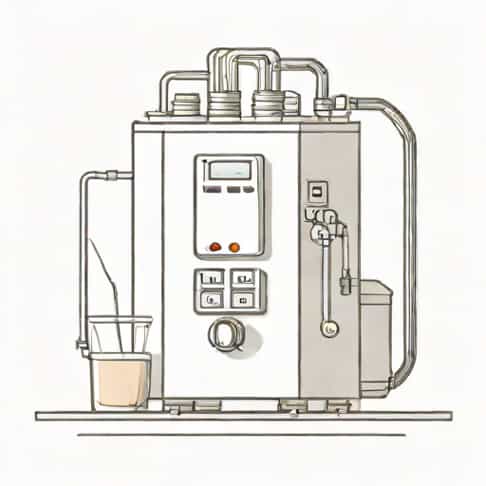
A milk pasteurizer consists of several components that work together to heat, hold, and cool the milk efficiently. Understanding these components helps explain how the process ensures both safety and quality.
Main Components
- Heat ExchangerThe core of the pasteurizer, where milk is heated quickly and evenly. Plate heat exchangers and tubular heat exchangers are commonly used depending on the scale of operation.
- Holding TankAfter heating, milk is held at a specific temperature for a set time to ensure pathogens are destroyed.
- Temperature SensorsThese devices monitor the milk’s temperature continuously to maintain the required heat level for effective pasteurization.
- PumpsPumps circulate the milk through the system, ensuring consistent heating and movement through the heat exchanger.
- Cooling SectionAfter pasteurization, milk is rapidly cooled to around 4°C (39°F) to prevent bacterial growth and maintain freshness.
How a Milk Pasteurizer Works
The process of pasteurizing milk involves multiple steps designed to eliminate harmful bacteria while preserving quality. These steps are carefully controlled to achieve the desired results.
Step 1 Preheating
Milk is first filtered to remove any debris or impurities. It is then preheated to a moderate temperature, typically between 50-60°C (122-140°F), to prepare it for pasteurization. Preheating reduces the energy required for the main heating process and helps maintain milk quality.
Step 2 Heating
The milk enters the heat exchanger, where it is rapidly heated to the target temperature depending on the method used (LTLT, HTST, or UHT). In a plate heat exchanger, thin plates allow hot water or steam to transfer heat efficiently to the milk. Rapid heating ensures that harmful bacteria are killed without overcooking the milk or altering its flavor.
Step 3 Holding
After reaching the desired temperature, milk is held in a holding tube or tank for a specific period. The holding time ensures that all bacteria, including heat-resistant strains, are destroyed. For HTST, this typically lasts at least 15 seconds, while LTLT requires a longer holding period of 30 minutes.
Step 4 Cooling
Once pasteurization is complete, milk is quickly cooled to refrigeration temperatures to prevent the growth of any remaining bacteria. The cooling process often occurs in the same heat exchanger, using cold water or chilled milk as a medium to absorb heat. Rapid cooling helps preserve taste, texture, and nutritional value.
Monitoring and Safety
Maintaining precise temperature control and timing is crucial for safe pasteurization. Modern milk pasteurizers include digital sensors, automated controls, and alarms to ensure consistency. Any deviation from the required temperature or holding time can compromise the safety of the milk, so monitoring systems play a vital role in quality assurance.
Quality Control Measures
- Regular testing for bacteria levels before and after pasteurization.
- Calibration of temperature sensors and pumps to ensure accurate operation.
- Sanitization of equipment to prevent contamination.
- Record-keeping of heating and cooling cycles for regulatory compliance.
Benefits of Using a Milk Pasteurizer
Using a milk pasteurizer offers several advantages for both producers and consumers
- SafetyReduces the risk of foodborne illnesses by eliminating harmful bacteria.
- Extended Shelf LifePasteurized milk can be stored longer under proper refrigeration.
- Consistent QualityModern pasteurizers ensure uniform heating and minimal flavor change.
- EfficiencyHigh-capacity pasteurizers can process large volumes quickly, supporting commercial production.
- Regulatory ComplianceMeeting pasteurization standards is often required by food safety regulations.
Applications Beyond Milk
While milk is the most common product, pasteurization technology is also used for other dairy products like cream, yogurt, and cheese. Some non-dairy beverages, including fruit juices and plant-based milks, are also pasteurized to ensure safety. Understanding the versatility of milk pasteurizers highlights their importance in the broader food industry.
A milk pasteurizer works by heating milk to a specific temperature, holding it for a set period, and then cooling it quickly. This process eliminates harmful bacteria while preserving flavor, nutrients, and overall quality. The key components, including heat exchangers, holding tanks, temperature sensors, and cooling systems, work together to ensure the process is safe and efficient. By monitoring temperatures, holding times, and hygiene, milk pasteurizers provide a reliable method to produce safe, high-quality milk for consumers. Whether in small artisanal operations or large commercial dairies, pasteurization remains a vital step in dairy production, protecting public health and maintaining the quality of one of the most widely consumed beverages in the world.