Understanding how to pronounce certain English words can be surprisingly challenging, especially for words that are not commonly used in everyday conversation. One such word is wainscot, a term often encountered in architecture, interior design, and historical contexts. Pronunciation can be confusing because the spelling of the word does not always align with how it sounds when spoken aloud. Mastering the correct pronunciation of wainscot is important for clear communication, particularly for students, professionals in design or construction, and enthusiasts of historical architecture. This topic provides a detailed guide to pronouncing wainscot, exploring its origins, variations, common mistakes, and tips for practicing it confidently.
What is Wainscot?
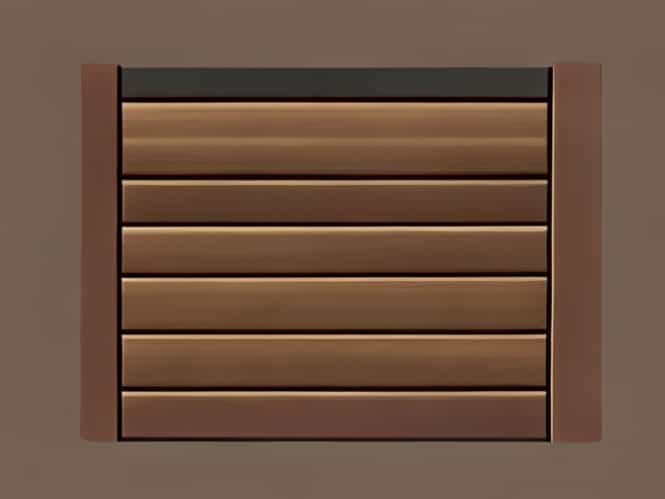
Before diving into pronunciation, it is helpful to understand what a wainscot actually is. Wainscot refers to a wooden paneling applied to the lower part of walls in a room, typically covering the area from the floor up to chair-rail height. This feature serves both decorative and functional purposes, protecting walls from scuffs and providing a visually appealing texture or pattern. Historically, wainscoting was made from oak or other high-quality woods and often intricately carved, especially in European and colonial homes. Today, wainscot panels may be made from various materials, including plywood, MDF, or composite boards, and are commonly found in dining rooms, hallways, and bathrooms.
Origins of the Word
The word wainscot has its roots in the Middle Ages. It derives from the Dutch word wagenschot, which referred to high-quality oak boards imported for paneling. Over time, the term evolved in English to describe any wood paneling used on interior walls. Understanding its origin can sometimes help with pronunciation, as older forms of the word influenced its modern spoken version. This historical context can also make it easier to recognize and remember the word in architectural texts or conversations.
Pronouncing Wainscot Correctly
The standard pronunciation of wainscot in modern English is /ˈweɪn.skɒt/. Breaking this down can make it easier to say accurately
- WainThe first part rhymes with pain or gain. It has a long a sound, pronounced as wayn.
- ScotThe second part rhymes with cot or pot, pronounced as skot.
Putting it together, you say WAYN-skot. Emphasize the first syllable slightly, as it carries the stress. Saying it slowly a few times can help solidify the correct pronunciation before using it in conversation or presentation.
Common Pronunciation Mistakes
Many people struggle with pronouncing wainscot correctly due to its unusual combination of letters. Some common mistakes include
- Pronouncing it as wan-scot with a short a sound, which does not align with the traditional pronunciation.
- Adding an extra syllable, like wain-sco-tuh, which makes the word sound awkward and incorrect.
- Merging it too quickly with other words, leading to slurred pronunciation that can be misheard.
Being aware of these mistakes helps learners and enthusiasts focus on the proper syllable separation and stress pattern, which is key to accurate pronunciation.
Regional Variations
While /ˈweɪn.skɒt/ is the standard pronunciation in both American and British English, slight regional differences may occur. In American English, some speakers might pronounce the second syllable with a slightly flatter vowel, closer to /skɑt/. In British English, the vowel in the second syllable is often shorter and more rounded, closer to /skɒt/. Neither variation is considered incorrect, but knowing the context can help you match your pronunciation to the local norm, particularly if you are discussing historical architecture or interior design in a professional setting.
Tips for Practicing Pronunciation
Mastering the pronunciation of wainscot can be achieved through consistent practice and the use of multiple techniques. Here are some strategies
- Break it downPractice each syllable separately first wayn, then skot, and finally combine them smoothly.
- Use phonetic spellingWriting it as WAYN-skot can help reinforce the correct sounds in your mind.
- Repeat aloudSay the word multiple times in different contexts, such as in a sentence like, The dining room features elegant wainscot along the walls.
- Listen to native speakersUse online dictionaries or pronunciation tools that provide audio examples to hear how it sounds naturally.
- Record yourselfListening to your own pronunciation helps identify errors and track improvement over time.
Using Wainscot in Sentences
Understanding pronunciation is easier when you practice the word in context. Here are some examples of how wainscot can be used correctly in sentences
- The library was lined with dark oak wainscot, giving it a traditional and stately appearance.
- Homeowners often install wainscot in hallways to protect the walls from scratches and scuffs.
- The Victorian-era mansion featured elaborate wainscot carved with intricate patterns and floral designs.
- Painting over old wainscot can update the look of a room without removing the panels entirely.
Practicing these sentences aloud not only reinforces pronunciation but also demonstrates proper usage in context, which is helpful for both casual and professional discussions.
Why Pronunciation Matters
Correct pronunciation of words like wainscot enhances communication, especially in settings where precise terminology is important. Architects, interior designers, historians, and students often encounter this word in technical or descriptive contexts. Mispronunciation can lead to misunderstandings or make your speech appear less confident. Additionally, mastering such words boosts overall language skills and makes learning other architectural or historical terms easier.
Additional Resources
To improve your pronunciation further, consider these resources
- Online dictionaries with audio examples
- Language learning apps that emphasize phonetics
- YouTube videos or tutorials focusing on architectural terminology
- Practice groups or forums for language learners
Using these resources regularly can significantly enhance your pronunciation skills and help you speak with confidence about architecture, design, and historical topics.
Learning how to pronounce wainscot correctly may seem small, but it has practical benefits for anyone interested in architecture, interior design, or historical studies. By understanding its origins, practicing the correct syllables, and using it in context, you can confidently incorporate the word into your vocabulary. Remember that consistent practice, listening to native speakers, and using phonetic tools are key strategies for mastering pronunciation. With these techniques, you can ensure that your discussion of wainscot panels, whether in a professional or casual setting, is clear, accurate, and impressive to your audience.