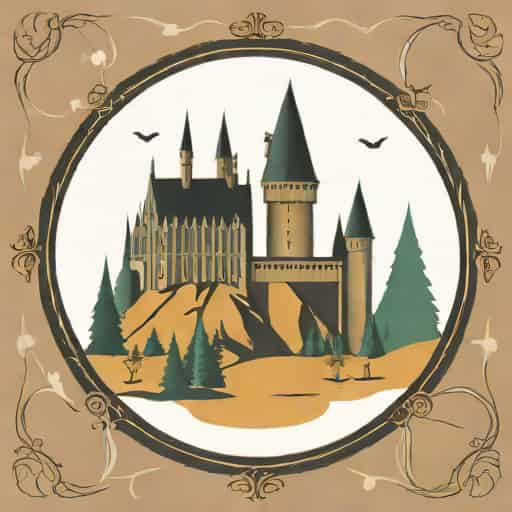
The worlds of Harry Potter and Narnia are two of the most beloved and iconic fantasy universes in literature and film. Each series has captivated millions of readers and viewers worldwide with its imaginative storytelling, unforgettable characters, and richly constructed magical realms. While Harry Potter takes readers into the halls of Hogwarts and the fight against dark forces in a modern magical world, Narnia introduces audiences to a mystical land filled with talking animals, epic battles, and allegorical adventures. Both series share themes of courage, friendship, and the battle between good and evil, yet they differ in setting, tone, and the rules that govern their magical worlds. Exploring Harry Potter and Narnia together provides a fascinating look at how fantasy literature shapes imagination and cultural understanding.
Overview of Harry Potter
Harry Potter, created by J.K. Rowling, follows the life of a young wizard who discovers his magical heritage on his eleventh birthday. The series spans seven books, chronicling Harry’s journey from a neglected orphan to a hero who confronts the dark wizard Voldemort. Hogwarts School of Witchcraft and Wizardry serves as the central setting for much of the series, offering a detailed and immersive environment where magic is taught, friendships are forged, and challenges are faced. The world of Harry Potter is known for its complex characters, intricate plotlines, and magical systems, which include spells, potions, magical creatures, and enchanted objects.
Key Themes in Harry Potter
- Friendship and LoyaltyHarry’s relationships with Hermione Granger and Ron Weasley highlight the importance of trust and support in overcoming obstacles.
- Good vs. EvilThe struggle against Voldemort and the Death Eaters underscores the consequences of choices and moral courage.
- Identity and GrowthHarry’s journey reflects themes of self-discovery, resilience, and personal responsibility.
- Magic as a ToolMagic is both a source of wonder and a means to solve problems, reflecting creativity and skill.
Overview of Narnia
The Chronicles of Narnia, written by C.S. Lewis, is a series of seven books that transport readers to the magical land of Narnia. Narnia is a realm where animals speak, mythical creatures abound, and battles between good and evil take place under the guidance of Aslan, a noble lion who represents wisdom, strength, and justice. Unlike Harry Potter’s contemporary magical setting, Narnia blends elements of medieval fantasy, Christian allegory, and mythical storytelling. The stories often follow children from our world who enter Narnia through magical portals, discovering adventure, responsibility, and moral lessons.
Key Themes in Narnia
- Heroism and CourageCharacters like Peter, Susan, Edmund, and Lucy face challenges that test their bravery and integrity.
- Faith and RedemptionMany Narnia stories carry allegorical messages about faith, sacrifice, and forgiveness.
- Adventure and ExplorationNarnia’s magical landscapes encourage discovery, imagination, and wonder.
- Good vs. EvilThe struggle against villains such as the White Witch emphasizes the triumph of righteousness and moral strength.
Comparing the Magical Worlds
Both Harry Potter and Narnia immerse readers in rich, fantastical worlds, yet they approach magic and storytelling differently. Hogwarts is a structured school environment where magic is taught, learned, and regulated, while Narnia is an expansive land where magic is inherent to the natural world and often tied to moral lessons. The magical creatures in Harry Potter, such as hippogriffs and house-elves, are part of a complex society with rules, whereas Narnia’s creatures, including talking animals and centaurs, are symbolic and often serve allegorical purposes. Both worlds offer imaginative landscapes, but the tone in Harry Potter leans toward suspense and drama, while Narnia frequently incorporates wonder, allegory, and mythological elements.
Character Comparisons
Harry Potter and Narnia both feature young protagonists who grow through challenges. Harry, Hermione, and Ron develop their skills and moral understanding while facing contemporary threats, whereas the Pevensie children in Narnia learn about leadership, courage, and responsibility within a more allegorical context. Both series emphasize the importance of teamwork, moral choices, and personal growth, though the context and narrative style differ. In Harry Potter, characters navigate friendships, loyalty, and school life, while Narnia focuses on the journey of discovery and confronting external magical threats.
Impact on Popular Culture
Both Harry Potter and Narnia have left significant marks on popular culture, influencing literature, cinema, and the imaginations of countless fans. Harry Potter’s influence includes merchandise, theme parks, fan communities, and spin-offs such as Fantastic Beasts. Narnia’s impact is seen in its adaptations, including films, stage plays, and merchandise. Both series encourage creative engagement, from fan fiction to cosplay, and have inspired discussions about morality, leadership, and fantasy storytelling. Their enduring popularity highlights the universal appeal of well-crafted magical worlds and compelling characters.
Educational and Literary Value
Harry Potter and Narnia are not only entertaining but also offer educational value. Harry Potter can teach lessons in ethics, friendship, resilience, and problem-solving, while Narnia introduces themes of allegory, symbolism, and moral philosophy. Both encourage critical thinking and imaginative exploration, making them valuable for readers of all ages. The combination of narrative depth, character development, and imaginative world-building fosters a love of reading and a deeper understanding of literary techniques.
Why Fans Enjoy Both Universes
Fans appreciate Harry Potter and Narnia for their immersive worlds, relatable characters, and engaging stories. Both series provide a sense of escapism while offering meaningful lessons about courage, morality, and the importance of friendship. Readers and viewers are drawn to the sense of wonder, adventure, and discovery that each series provides. Additionally, the combination of magical realism and compelling narratives makes these stories resonate across generations. Many fans enjoy drawing parallels between the two, exploring how each universe handles magic, morality, and heroism.
Common Themes
- Childhood and Growth Both feature young protagonists who mature through challenges.
- Good vs. Evil Central conflicts drive the narrative and teach moral lessons.
- Friendship and Loyalty Relationships play a key role in overcoming obstacles.
- Imagination and Wonder Both universes expand readers’ creative thinking and sense of possibility.
Harry Potter and Narnia continue to captivate audiences with their imaginative storytelling, magical worlds, and enduring themes. While each universe has its unique style, setting, and moral framework, both explore the importance of courage, friendship, and the battle between good and evil. Harry Potter immerses readers in a contemporary magical world filled with school life, dark wizards, and complex social dynamics, while Narnia offers a mythic and allegorical land where children encounter talking animals, epic battles, and life-changing adventures. Comparing these two iconic series highlights the versatility of fantasy literature and its ability to inspire, teach, and entertain. For fans of magic, adventure, and meaningful storytelling, Harry Potter and Narnia remain timeless worlds that continue to spark imagination and wonder for generations of readers and viewers alike.