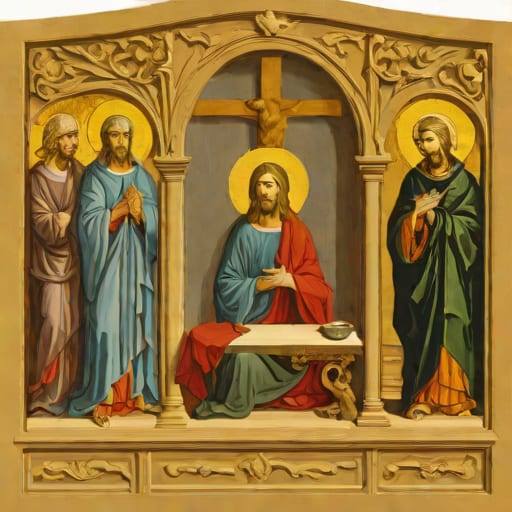
The Isenheim Altarpiece, created by Matthias Grünewald in the early 16th century, stands as one of the most remarkable masterpieces of Renaissance religious art. Housed in the Unterlinden Museum in Colmar, France, this altarpiece is renowned for its dramatic intensity, vivid colors, and emotional depth. Unlike many Renaissance works that emphasize harmony and idealized beauty, Grünewald’s creation captures raw human suffering, divine intervention, and complex spiritual symbolism. The altarpiece was originally commissioned for the Monastery of St. Anthony in Isenheim, a hospital specializing in the treatment of ergotism, a condition caused by consuming rye infected with a toxic fungus. The work’s haunting imagery, combining scenes of the Crucifixion, resurrection, and saints, served both as a devotional tool and a source of comfort for patients enduring extreme illness.
Historical Context of the Isenheim Altarpiece
Grünewald’s Isenheim Altarpiece was completed between 1512 and 1516 during a period of religious upheaval and medical crises in Europe. The Monastery of St. Anthony specialized in treating patients afflicted with ergotism, also known as St. Anthony’s Fire, which caused severe gangrene and burning sensations in the limbs. The altarpiece was designed to resonate deeply with those suffering from these ailments, depicting Christ’s own suffering in vivid, almost visceral detail. This connection between art, medicine, and spiritual consolation reflects the intertwined nature of religion and daily life in Renaissance Europe.
Grünewald’s Artistic Vision
Matthias Grünewald’s approach to painting was distinct from his contemporaries. While artists like Albrecht Dürer focused on proportion, clarity, and classical ideals, Grünewald emphasized emotional intensity, dramatic lighting, and vivid contrasts. His work on the Isenheim Altarpiece demonstrates his mastery of color, form, and expression, creating figures that appear to suffer and transcend simultaneously. The altarpiece showcases Grünewald’s ability to blend realism with spiritual symbolism, ensuring that viewers experience both the physical and emotional weight of the depicted scenes.
Structure and Composition
The Isenheim Altarpiece is a polyptych, a multi-paneled altarpiece, consisting of several movable wings that reveal different scenes depending on the liturgical calendar. The altarpiece has three main views the closed position, the first opening, and the fully opened view, each serving unique devotional and symbolic purposes.
Closed View
In its closed state, the altarpiece displays paintings that are more subdued, often with muted colors and simpler compositions. This version was typically visible on weekdays, providing a contemplative and somber atmosphere for prayer. The closed panels include the Annunciation, the Angelic Concert, and the Nativity, each rendered with subtle yet expressive detail to guide meditative reflection.
First Opening
When the first set of wings is opened, viewers are confronted with scenes of the Crucifixion and the Lamentation, which display Grünewald’s signature intensity. Christ is depicted on the cross with contorted limbs, emphasizing the agony of his suffering. The surrounding figures, including Mary, John, and Mary Magdalene, exhibit raw grief, further heightening the emotional impact. The vivid reds and blues, combined with sharp contrasts of light and shadow, intensify the viewer’s engagement with the narrative.
Fully Opened View
The fully opened altarpiece reveals the most elaborate composition, including the Resurrection, the Temptation of St. Anthony, and the Angelic Concert. The Resurrection portrays Christ in a triumphant yet serene posture, balancing the earlier scenes of suffering with hope and divine victory. The Temptation of St. Anthony panel, full of grotesque and fantastical figures, symbolizes spiritual struggle and the triumph of faith over sin. This fully opened view was typically reserved for high feasts and special occasions, providing a visual climax for worshippers and patients alike.
Symbolism and Meaning
The Isenheim Altarpiece is rich in symbolism, offering multiple layers of meaning for viewers. Grünewald’s depiction of Christ’s suffering directly resonates with the physical pain of ergotism patients, creating a sense of empathy and shared experience. The grotesque demons and fantastical creatures in the Temptation of St. Anthony reflect moral and spiritual challenges, encouraging viewers to confront sin and temptation in their own lives. Saints depicted in the panels, such as St. Anthony and St. Sebastian, were chosen for their associations with healing and protection, reinforcing the altarpiece’s role as both devotional art and spiritual medicine.
Use of Color and Emotion
Grünewald’s use of color is central to the altarpiece’s impact. Deep reds convey pain and suffering, while luminous blues and golds suggest hope and divine presence. Facial expressions and bodily contortions heighten emotional resonance, making the scenes relatable to both patients and worshippers. The contrast between intense suffering and serene triumph reflects the dual themes of human mortality and divine salvation, a core concern of Renaissance religious art.
Impact on Art History
The Isenheim Altarpiece has had a lasting influence on the study of religious and Renaissance art. Grünewald’s unconventional approach, emphasizing raw emotion over classical beauty, inspired later artists to explore psychological depth and expressive intensity. Art historians praise the altarpiece for its complex iconography, innovative use of color, and ability to communicate spiritual and physical suffering simultaneously. It remains a key example of Northern Renaissance art and is frequently cited in discussions of the intersection between art, medicine, and devotion.
Legacy and Cultural Significance
- Served as a model for emotionally charged religious art.
- Influenced modern artists who explore human suffering and empathy.
- Demonstrates the role of art in medical and spiritual contexts.
- Remains a central attraction at the Unterlinden Museum in Colmar.
- Provides insight into Renaissance religious practices and societal concerns.
The Grunewald Isenheim Altarpiece stands as a masterpiece that combines artistic innovation, emotional depth, and spiritual significance. Through its complex structure, dramatic compositions, and vivid symbolism, it communicates themes of suffering, healing, and redemption. Matthias Grünewald’s vision created a work that not only served the devotional needs of the Monastery of St. Anthony’s patients but also left a lasting impact on art history. Its exploration of human pain, divine presence, and the interplay of color and emotion continues to inspire viewers, scholars, and artists centuries after its creation. The altarpiece exemplifies the power of art to address both physical and spiritual experiences, making it an enduring symbol of Northern Renaissance creativity and religious devotion.