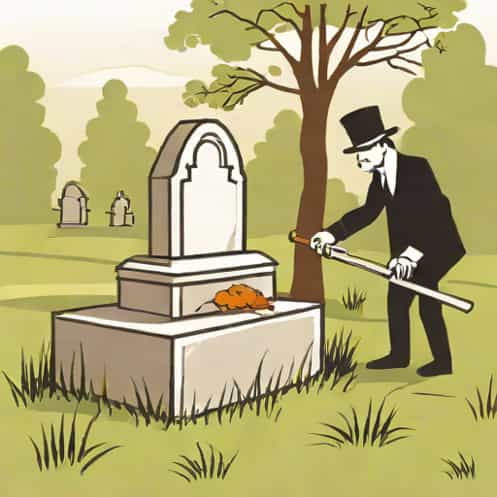
The 1800s were a time of rapid scientific advancement, growing urban populations, and profound social change, but they were also marked by darker, less-discussed practices, such as grave robbing. This disturbing activity involved the illegal exhumation of corpses from cemeteries, often under the cover of night, to supply medical schools and private collectors with cadavers for anatomical study. While some viewed it as a necessary evil for medical progress, it provoked fear, outrage, and moral debates among the public. Grave robbing in the 1800s became both a criminal enterprise and a societal concern, reflecting the tension between scientific curiosity and ethical boundaries in a period of intense transformation.
Origins of Grave Robbing in the 1800s
Grave robbing, also known as body snatching, has existed in various forms throughout history, but it became particularly prevalent in the 19th century due to the rising demand for cadavers in medical education. As medical schools proliferated in Europe and North America, the supply of legally obtained bodies, often from executed criminals, was insufficient to meet the needs of students learning human anatomy. This shortage created an incentive for grave robbers, sometimes called resurrectionists, to dig up freshly buried bodies under the cover of darkness and sell them to anatomy professors, often for significant sums of money. The practice was both clandestine and dangerous, frequently bringing robbers into conflict with local communities and law enforcement.
Who Were the Resurrectionists?
Resurrectionists were typically individuals or small groups who specialized in stealing bodies from graveyards. They were often poor laborers, apprentices, or men seeking quick cash in a time of limited economic opportunity. Many were skilled at evading detection, employing a variety of techniques to quickly exhume corpses and transport them to medical institutions. In some cases, they worked with insiders at cemeteries or medical schools, creating networks that blurred the lines between legality and criminality. These individuals developed a notorious reputation in cities like London, Edinburgh, and New York, and their actions sparked public outrage and widespread fear.
Methods of Grave Robbing
The techniques used by grave robbers in the 1800s were often precise and chilling. They required both knowledge of burial practices and skillful execution to avoid detection. Typically, robbers would strike at night when cemeteries were deserted, carefully opening graves and removing bodies without causing noticeable damage to the surrounding area. To transport the bodies, they sometimes used carts or hidden packages. In some instances, innovative tools like specially designed shovels or hooks were employed to make the process faster and less conspicuous.
Security Measures and Countermeasures
Communities were aware of the threat of grave robbing and often took extraordinary measures to protect the dead. Families would guard graves personally or hire watchmen, especially during the first few weeks after burial. Some cemeteries installed heavy iron cages called mortsafes over graves, while others constructed burial vaults or reinforced coffins to deter thieves. Despite these efforts, determined resurrectionists frequently found ways to bypass security, highlighting the persistent tension between demand for cadavers and societal resistance to body snatching.
Impact on Society
Grave robbing had profound social implications in the 1800s. Families were often horrified to discover that their loved ones had been exhumed, leading to mistrust in medical institutions and authorities. The practice fueled sensationalist stories in newspapers and literature, with tales of body snatchers becoming the stuff of legend. Public outrage occasionally resulted in riots or legal reform, pressuring governments to address the ethical and legal gaps that allowed resurrectionists to thrive. In this way, grave robbing contributed to broader debates about morality, science, and the rights of the deceased.
Legal Responses to Grave Robbing
The prevalence of body snatching in the 1800s prompted legal reforms in many countries. In the United Kingdom, the Anatomy Act of 1832 allowed medical schools to obtain unclaimed bodies from hospitals and workhouses legally, thereby reducing the need for illicit cadavers. This law aimed to balance the interests of medical education with public sensibilities, providing a legal framework to prevent further grave robbing. Similar laws and regulations were enacted in parts of North America, reflecting growing societal awareness that ethical practices in medicine were essential for maintaining public trust.
Notable Cases and Legends
Several cases of grave robbing became famous or notorious during the 1800s. In Scotland, the infamous duo William Burke and William Hare resorted to murder to supply bodies to medical schools, a dark evolution of body snatching that shocked the public. Their story highlighted the extreme lengths to which some would go to meet the demand for cadavers and served as a cautionary tale about the consequences of unchecked scientific ambition. In England, gangs of resurrectionists were known to target specific cemeteries repeatedly, with some being caught and sentenced to imprisonment, demonstrating that while society feared grave robbers, authorities also took action to curb their activities.
Cultural Reflections
Grave robbing in the 1800s left a lasting imprint on literature, art, and popular culture. Novels, plays, and folklore of the era often depicted resurrectionists as sinister figures, blending horror with social commentary. The phenomenon also influenced Gothic literature, inspiring writers to explore themes of death, morality, and the macabre. In addition, the historical accounts of body snatching provided a backdrop for later discussions about medical ethics, consent, and the treatment of human remains, demonstrating the enduring cultural relevance of this dark chapter in history.
The Connection to Medical Advancement
Despite its ethical dilemmas, grave robbing played a significant role in advancing medical knowledge in the 1800s. Cadavers obtained through body snatching allowed medical students and physicians to study human anatomy in ways that were previously impossible. This practical experience contributed to better understanding of diseases, surgical techniques, and the functioning of the human body. While the means were controversial, the scientific outcomes helped lay the foundation for modern medicine, illustrating the complex interplay between moral boundaries and intellectual progress.
Lessons Learned
- The importance of ethical standards in medical practice and research.
- How societal outrage can drive legal and institutional reforms.
- The need to balance scientific curiosity with respect for human dignity.
- The historical context of grave robbing as a reflection of economic and social pressures.
Grave robbing in the 1800s was a phenomenon driven by a combination of scientific demand, economic necessity, and social tolerance for morally ambiguous practices. Resurrectionists operated in a shadowy world that blurred the line between criminality and medical progress, provoking fear, outrage, and legal reforms. While the practice is horrifying to modern sensibilities, it played a role in shaping the medical field and highlighted the ethical dilemmas inherent in pursuing knowledge at the expense of human dignity. By examining this dark chapter, we gain insight into how society, law, and science interact, revealing lessons that remain relevant for contemporary discussions about medical ethics, consent, and the treatment of human remains.
The legacy of grave robbing serves as a reminder of the moral complexities surrounding the advancement of knowledge. It forces reflection on the costs of progress and the importance of safeguarding human dignity, even in times of scientific necessity. In understanding the history of resurrectionists and the social responses they provoked, we not only uncover fascinating stories of crime and ingenuity but also learn enduring lessons about the relationship between ethics and human curiosity.