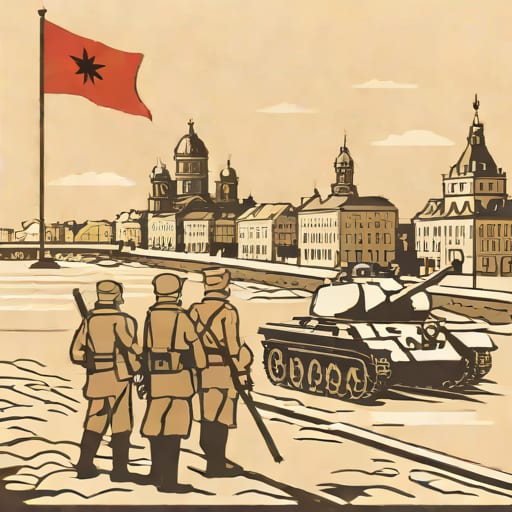
The German siege of Leningrad, one of the most devastating blockades in modern history, finally ended after more than two years of relentless hardship, starvation, and conflict. The city, known today as Saint Petersburg, had endured extreme conditions under the prolonged encirclement by Nazi forces during World War II. Civilians and soldiers alike faced unimaginable struggles as food, fuel, and medical supplies became scarce. The lifting of the siege marked a turning point not only in the Eastern Front but also in the morale of the Soviet Union, symbolizing resilience, determination, and the eventual pushback against the Axis powers. Understanding the events leading up to the end of the siege provides insight into the strategies, sacrifices, and historical significance that shaped the course of the war.
Background of the Siege of Leningrad
The siege of Leningrad began in September 1941 when German forces, as part of Operation Barbarossa, surrounded the city with the intent of capturing it quickly. Leningrad was a key strategic location due to its industrial capacity, naval base, and symbolic importance as the birthplace of the Russian Revolution. The German army, along with Finnish forces to the north, cut off all land routes to the city, aiming to starve the population into submission. The Soviet defenders and civilians responded with fierce resistance, preparing fortifications, rationing scarce resources, and maintaining a spirit of endurance despite overwhelming odds.
Impact on Civilians and Soldiers
The conditions during the siege were catastrophic. Civilians faced severe food shortages, leading to widespread malnutrition and death. Temperatures in the winter months plummeted, and heating fuel became scarce. Soldiers and volunteer militias fought tirelessly to protect the city while also assisting in essential civilian survival efforts. The population was forced to rely on any available food, including animals, seeds, and even inedible items, to survive. Despite these extreme hardships, the resilience of Leningrad’s residents became legendary, inspiring both contemporary and later generations.
Military Strategies and Countermeasures
The Soviet Union undertook significant military operations to break the siege. One critical effort was the establishment of supply routes over Lake Ladoga, known as the Road of Life, which allowed essential food, medicine, and military supplies to reach the besieged city. Additionally, Soviet counter-offensives gradually pushed back German lines, weakening the encirclement and creating opportunities for liberation. The Red Army also utilized artillery, air strikes, and coordinated attacks to disrupt German positions, slowly shifting the balance in favor of the defenders.
Key Offensive Operations
- The Sinyavino Offensive, aimed at reducing pressure on Leningrad, demonstrated the determination of Soviet forces to reclaim surrounding territory.
- The Leningrad-Novgorod Offensive in January 1944 played a pivotal role in finally lifting the blockade by pushing German forces away from the city.
- Continuous smaller-scale attacks and guerrilla operations further weakened German supply lines and morale.
The End of the Siege
After enduring 872 days of blockade, the siege of Leningrad officially ended in January 1944. The Soviet Red Army’s persistent offensives succeeded in creating a corridor that allowed full resupply and relief to the city. The lifting of the siege was a monumental achievement, reflecting both strategic military planning and the extraordinary endurance of the civilian population. It marked a major defeat for the German army on the Eastern Front, demonstrating that the Axis powers could be resisted even under dire circumstances.
Immediate Effects on the City
The end of the siege brought immediate relief to the starving population, allowing for the delivery of food, medical aid, and rebuilding materials. While the city had suffered extensive destruction and the loss of hundreds of thousands of lives, residents began the slow process of recovery. Families reunited, infrastructure was repaired, and industrial production resumed, contributing to the broader Soviet war effort. The resilience displayed by the people of Leningrad became a symbol of national pride and determination during the war.
Historical Significance
The lifting of the German siege of Leningrad holds profound historical significance. It demonstrated the failure of the German strategy to capture the city quickly through starvation and encirclement. The victory boosted Soviet morale, both in Leningrad and across the nation, signaling that the Red Army could defend key cities and reclaim occupied territory. Internationally, the endurance and eventual triumph of Leningrad became a symbol of resistance against tyranny, highlighting the human cost of total war and the capacity for resilience in extreme circumstances.
Legacy and Commemoration
- Memorials and museums in Saint Petersburg honor the civilians and soldiers who endured the siege, preserving their stories for future generations.
- The Siege of Leningrad is commemorated annually in Russia, serving as a reminder of the courage and sacrifice required during wartime.
- Scholarly studies continue to examine the siege as a case study in military strategy, urban resilience, and humanitarian endurance.
Lessons from the Siege
The German siege of Leningrad teaches important lessons about strategic planning, civilian endurance, and the human impact of warfare. Military leaders can study the logistics and counter-offensives used to overcome such a prolonged blockade, while historians and policymakers reflect on the societal resilience that allowed a besieged population to survive. Additionally, the siege illustrates the devastating consequences of total war on urban centers, emphasizing the need for both military preparedness and humanitarian consideration in conflict zones.
The end of the German siege of Leningrad marked a turning point in World War II and a triumph of human resilience. After nearly two and a half years of extreme deprivation and relentless conflict, the city emerged as a symbol of endurance, determination, and strategic victory. The lifting of the blockade not only restored life to a devastated population but also contributed to the momentum of Soviet forces on the Eastern Front. Today, the story of Leningrad stands as a powerful reminder of the costs of war, the strength of human spirit, and the importance of perseverance in the face of overwhelming adversity. It is a historical episode that continues to inspire and educate, highlighting both the tragedies and triumphs of one of the most harrowing sieges in human history.
Understanding the German siege of Leningrad and its conclusion offers critical insights into military strategy, urban resilience, and the profound human capacity for survival. The lessons learned continue to inform contemporary military planning, humanitarian responses, and historical scholarship, ensuring that the sacrifices of those who endured the siege are never forgotten.