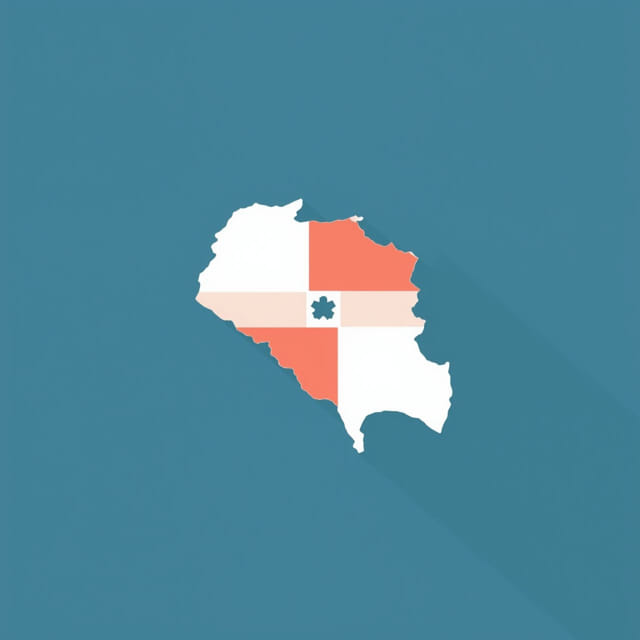
The Dominican Republic, located on the eastern side of the island of Hispaniola in the Caribbean region, boasts an incredibly diverse geography. From its stunning beaches and lush valleys to towering mountains and arid deserts, the country offers a complex and dynamic landscape. Its varied physical features play a significant role in shaping the country’s climate, biodiversity, and economy. Exploring the geography of the Dominican Republic helps in understanding the nation’s natural beauty, regional differences, and environmental challenges.
Location and General Overview
Geographical Position
The Dominican Republic shares the island of Hispaniola with Haiti, occupying about two-thirds of its eastern portion. It is bordered to the north by the Atlantic Ocean and to the south by the Caribbean Sea. The country’s coordinates are roughly between 17° and 20° North latitude and 68° to 72° West longitude, placing it within the tropical zone.
Area and Boundaries
With a land area of approximately 48,671 square kilometers (18,792 square miles), the Dominican Republic is the second-largest country in the Caribbean by area. Its land borders stretch about 376 kilometers along the western edge with Haiti, while its coastline extends for more than 1,500 kilometers, featuring both calm and rugged sections.
Mountain Ranges and Highlands
Cordillera Central
The Cordillera Central is the most prominent mountain range in the Dominican Republic and is often referred to as the Dominican Alps.” It runs northwest to southeast and contains the highest peak in the Caribbean Pico Duarte reaching an elevation of 3,098 meters (10,164 feet). These mountains are home to lush forests, rivers, and a cooler climate, offering a stark contrast to the coastal lowlands.
Other Major Ranges
- Cordillera SeptentrionalLocated in the north of the country, this range runs parallel to the northern coast and forms a scenic backdrop to towns like Puerto Plata.
- Sierra de NeibaFound in the southwest, this range is less prominent but contributes to the regional topography and biodiversity.
- Sierra de BahorucoThis mountain system extends into the Haitian Massif de la Selle and features dry forests and protected national parks.
Valleys and Plains
Cibao Valley
Between the Cordillera Central and Cordillera Septentrional lies the Cibao Valley, one of the most fertile and agriculturally productive areas in the Caribbean. This valley supports the country’s key crops such as rice, tobacco, and coffee. The cities of Santiago and La Vega are located in this region, serving as cultural and economic hubs.
Coastal Plains
Along the north and east coasts, flat plains extend to the ocean, providing excellent land for sugarcane, bananas, and tourism development. The eastern region, including Punta Cana, is especially known for its resort-lined beaches and flat terrain, attracting millions of visitors each year.
Rivers and Lakes
Major Rivers
Rivers are vital geographical features in the Dominican Republic, serving as sources of freshwater and irrigation. The most significant rivers include
- Yaque del NorteThe longest river in the country, flowing over 300 kilometers through the Cibao Valley to Monte Cristi Bay.
- Yuna RiverImportant for agriculture, it flows through the northeast and drains into Samaná Bay.
- Ozama RiverIt flows through Santo Domingo and plays a role in urban infrastructure, though it faces pollution challenges.
Lake Enriquillo
Lake Enriquillo is the largest lake in the Caribbean and also the lowest point in the Caribbean, lying about 46 meters below sea level. This hypersaline lake is located in the southwest and is notable for its population of American crocodiles and flamingos. It lies within a tectonic rift zone, contributing to its unusual features.
Coastal Geography
Beaches and Coastal Areas
The Dominican Republic has a variety of coastal environments, from calm, white-sand beaches in Punta Cana to rocky cliffs and bays along the northern coast. These beaches are a major draw for tourism and also support fishing communities and mangrove ecosystems.
Coral Reefs and Marine Zones
Coral reefs fringe parts of the Dominican coast, especially near Bayahibe and Samaná. These ecosystems help protect the coastline from erosion and provide habitats for marine life. Sustainable tourism efforts aim to preserve these delicate systems.
Climate and Weather Patterns
Tropical Climate Zones
The Dominican Republic experiences a tropical climate with distinct wet and dry seasons. The temperature is generally warm year-round, with averages ranging between 25°C and 30°C (77°F to 86°F). Mountainous areas can be significantly cooler, especially at higher elevations.
Rainfall Variability
Rainfall varies across regions, with the northeast receiving the most precipitation due to prevailing trade winds and orographic lift caused by mountain ranges. The southwest is typically much drier, even experiencing semi-arid conditions in some areas.
Hurricanes and Natural Hazards
Like much of the Caribbean, the Dominican Republic is vulnerable to tropical storms and hurricanes, particularly between June and November. Flooding, landslides, and storm surges can have serious impacts on infrastructure and livelihoods.
Ecological Zones and Biodiversity
National Parks and Protected Areas
Due to its ecological richness, the Dominican Republic has established several national parks and reserves, including
- Jaragua National ParkLocated in the southwest, it includes dry forests, lagoons, and offshore islands.
- Los Haitises National ParkFamous for its mangroves, karst formations, and biodiversity, it’s located in the northeast.
- Valle Nuevo National ParkA high-altitude area with unique flora and cool temperatures, part of the Cordillera Central.
Flora and Fauna
The country’s varied geography supports a wide range of plant and animal species, including endemic birds like the Hispaniolan trogon and mammals such as the solenodon. Many of these species are protected under environmental conservation laws and international agreements.
Urban Geography
Santo Domingo
The capital city, Santo Domingo, lies on the southern coast and is the largest urban area in the country. Its location along the Ozama River and near the Caribbean Sea made it a strategic colonial settlement and port city. Today, it remains a key economic and cultural center.
Other Major Cities
- SantiagoLocated in the Cibao Valley, it is the second-largest city and a commercial hub for the northern region.
- La RomanaA coastal city known for sugar production and resort development.
- Puerto PlataA key port city on the Atlantic coast, also a center for tourism and trade.
The geography of the Dominican Republic is as varied as it is breathtaking. From the soaring peaks of Pico Duarte to the sun-drenched beaches of Punta Cana, the country’s landscapes influence everything from agriculture and industry to tourism and daily life. With an intricate mix of mountains, valleys, rivers, and coasts, the Dominican Republic offers a microcosm of Caribbean geography within its borders. Understanding these geographic features is essential not only for appreciating its beauty but also for addressing environmental challenges and promoting sustainable development for the future.