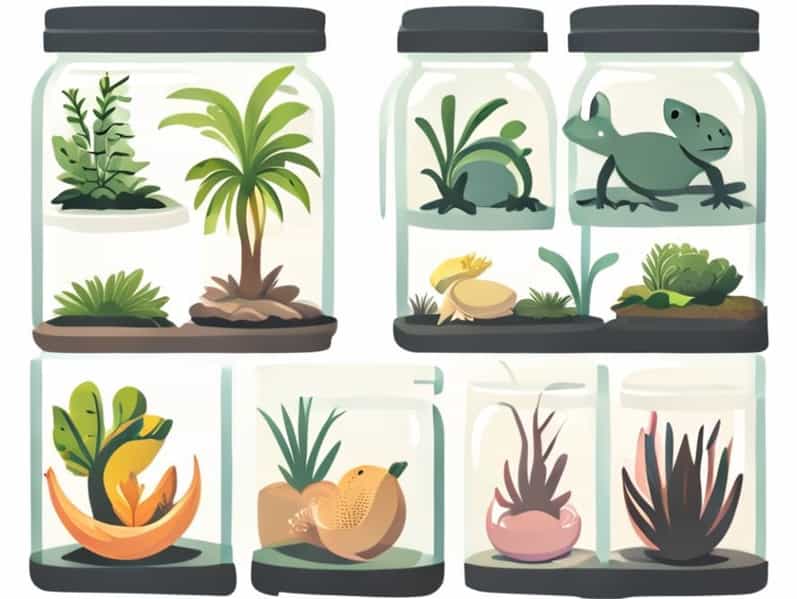
Setting up a gecko vivarium is an exciting and rewarding process for reptile enthusiasts, providing a safe, comfortable, and stimulating environment for your gecko to thrive. A well-designed vivarium mimics the natural habitat of the gecko, offering appropriate temperature gradients, humidity levels, hiding spots, and climbing structures. Proper setup is essential for the gecko’s health, behavior, and overall well-being, as poor conditions can lead to stress, illness, or even shortened lifespan. Whether you are keeping a leopard gecko, crested gecko, or another species, understanding the right materials, equipment, and techniques for vivarium setup is crucial to create an ideal home for your reptilian companion.
Choosing the Right Vivarium
Selecting the correct vivarium is the first step in creating a suitable environment for your gecko. The size, material, and design of the enclosure will impact the gecko’s comfort and care requirements.
Size Considerations
- Leopard geckos A 20-gallon long tank is suitable for one or two geckos.
- Crested geckos Taller vertical enclosures, around 18x18x24 inches, are ideal for climbing.
- Avoid overcrowding Geckos need space to explore, thermoregulate, and establish territories.
Materials and Design
Vivariums are commonly made from glass, acrylic, or PVC. Glass tanks offer visibility and easy cleaning but may have less insulation. Acrylic and PVC enclosures retain heat better and are lighter but require careful maintenance to avoid scratches. Choose an enclosure with a secure lid to prevent escape, as geckos are adept climbers and can squeeze through gaps.
Heating and Temperature Control
Maintaining proper temperature gradients is vital for gecko health. Geckos are ectothermic, relying on external heat sources to regulate body temperature. A well-planned heating setup ensures the gecko can thermoregulate, digest food efficiently, and remain active.
Heating Options
- Under-tank heating pads for substrate warmth.
- Heat lamps or ceramic heat emitters for basking areas in arboreal species.
- Thermostats to regulate temperatures and prevent overheating.
- Temperature gradients 88-92°F on the warm side and 75-80°F on the cool side for leopard geckos.
- Nighttime temperatures can drop slightly, depending on species.
Humidity and Water Requirements
Proper humidity levels are crucial for hydration, shedding, and respiratory health. Different gecko species have specific humidity needs that must be monitored and maintained consistently.
Maintaining Humidity
- Leopard geckos Require low to moderate humidity, around 30-40%.
- Crested geckos Prefer higher humidity, 60-80%, with daily misting.
- Provide a moist hide for shedding, using damp moss or substrate.
- Use hygrometers to monitor humidity levels accurately.
- A shallow water dish ensures hydration and supports environmental humidity.
Substrate Selection
Choosing the right substrate is essential for hygiene, safety, and comfort. The substrate should support natural behaviors such as burrowing or climbing while minimizing the risk of impaction or bacterial growth.
Recommended Substrates
- Reptile carpet or paper towels Easy to clean and safe for beginners.
- Coconut fiber or eco earth Retains moisture, suitable for tropical species.
- Sand mixtures Only recommended for adults and carefully monitored to avoid ingestion.
- Avoid loose ptopics for small or young geckos prone to impaction.
Hides, Climbing Structures, and Decorations
Providing hiding spots, climbing opportunities, and decorative elements enriches the gecko’s environment and reduces stress. Geckos need security and stimulation to exhibit natural behaviors.
Essential Elements
- Multiple hides One on the warm side and one on the cool side of the enclosure.
- Branches, vines, and cork bark for climbing species like crested geckos.
- Plants, real or artificial, to simulate a natural environment and provide cover.
- Rocks or platforms for basking or exploring.
- Ensure all items are securely placed to prevent accidents or injuries.
Lighting Requirements
Lighting plays a vital role in maintaining gecko health. While many geckos are nocturnal, appropriate lighting supports vitamin D synthesis, activity cycles, and overall well-being.
Lighting Guidelines
- UVB lighting for species requiring vitamin D3 synthesis, like diurnal geckos.
- Low-intensity light cycles of 10-12 hours per day to mimic natural day and night patterns.
- Avoid bright lights that may stress nocturnal geckos.
- Ensure lights are positioned to create shaded areas for retreat.
Feeding and Nutrition
Proper nutrition is a cornerstone of gecko health. Feeding frequency and diet depend on species, age, and activity level. Geckos are primarily insectivorous, although some species like crested geckos also eat fruit-based diets.
Diet Recommendations
- Live insects such as crickets, mealworms, and dubia roaches dusted with calcium and vitamin supplements.
- Commercial gecko diets formulated for specific species, offering balanced nutrition.
- Fresh water available at all times in a shallow dish.
- Remove uneaten food to prevent mold or bacterial growth.
- Feed juveniles more frequently than adults to support growth.
Cleaning and Maintenance
Maintaining a clean and hygienic vivarium prevents diseases and ensures a safe environment. Regular cleaning routines reduce the risk of infections and support the gecko’s overall health.
Maintenance Tips
- Spot-clean daily by removing feces, uneaten food, and shed skin.
- Deep clean the enclosure monthly, including substrate replacement and disinfection of decor.
- Use reptile-safe disinfectants to avoid harming your gecko.
- Monitor humidity and temperature daily to maintain stable conditions.
- Check for mold, pests, or any damage to the enclosure regularly.
Setting up a gecko vivarium requires careful planning, attention to detail, and ongoing maintenance to create a safe, comfortable, and stimulating environment. From selecting the proper enclosure, substrate, and lighting to providing appropriate heating, humidity, hides, and nutrition, each element contributes to the gecko’s health and well-being. Whether you are a beginner or an experienced reptile keeper, a thoughtfully designed vivarium enhances the gecko’s natural behaviors, reduces stress, and promotes a long, healthy life. Consistent care, observation, and environmental enrichment ensure that your gecko thrives in a space that closely mimics its natural habitat, providing both joy for the keeper and a fulfilling life for the reptile.