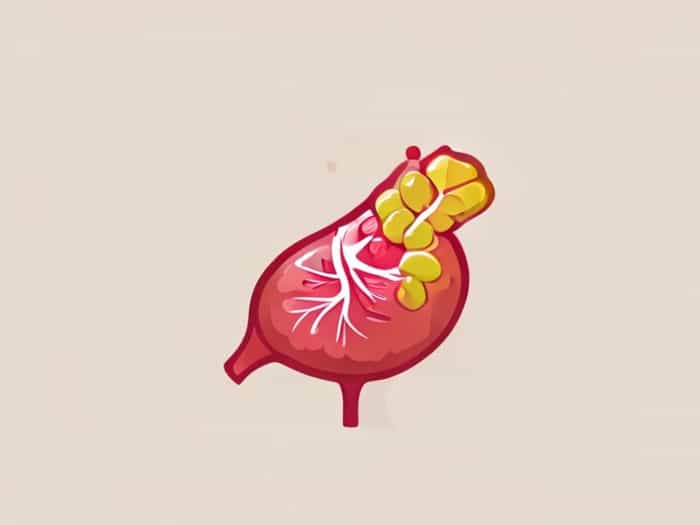
The human body is a complex system with numerous organs performing specialized functions to maintain overall health. One such organ, often overlooked yet essential for digestion, is the gall bladder. The gall bladder is a small, pear-shaped organ located beneath the liver, and its primary role is closely tied to the digestive system, particularly the digestion of fats. Understanding the function of the gall bladder helps highlight its importance in overall health and the consequences when it malfunctions. This topic provides a comprehensive overview of the gall bladder, its functions, associated processes, common disorders, and tips for maintaining a healthy gall bladder.
Anatomy of the Gall Bladder
The gall bladder is approximately 7-10 centimeters long and can hold about 30-50 milliliters of bile, a digestive fluid produced by the liver. It is connected to the liver and small intestine via the bile ducts, including the cystic duct and the common bile duct. This anatomical arrangement allows the gall bladder to store, concentrate, and release bile efficiently when needed. Despite its small size, the gall bladder plays a crucial role in the proper digestion and absorption of dietary fats, making it indispensable for nutrient utilization.
Production and Storage of Bile
Although the liver produces bile continuously, the gall bladder serves as a storage reservoir. Bile contains bile salts, cholesterol, bilirubin, and other compounds that are essential for breaking down fats in the small intestine. The gall bladder concentrates bile by absorbing water and electrolytes, making it more effective for digestion. Without the gall bladder, bile would flow directly from the liver to the small intestine in a continuous, diluted manner, reducing the efficiency of fat digestion.
Function of the Gall Bladder in Digestion
The primary function of the gall bladder is to facilitate the digestion of fats by regulating the release of bile into the small intestine. This process occurs in response to the ingestion of fatty foods. When food containing fat enters the duodenum, the hormone cholecystokinin (CCK) signals the gall bladder to contract and release bile through the bile ducts. Bile emulsifies fats, breaking them into smaller droplets that enzymes such as lipase can act upon more efficiently. This emulsification process is vital for the absorption of fat-soluble vitamins like A, D, E, and K, ensuring the body receives essential nutrients for health and growth.
Role in Fat Absorption
Once bile emulsifies dietary fats, pancreatic enzymes further break down triglycerides into fatty acids and glycerol. These smaller molecules can then be absorbed through the intestinal lining into the bloodstream. The gall bladder’s role in regulating bile release ensures that fats are processed efficiently, preventing digestive discomfort and nutrient deficiencies. People without a gall bladder can still digest fats, but they may require dietary adjustments since bile flows continuously and less concentrated.
Regulation and Hormonal Influence
The gall bladder’s function is closely regulated by hormones, particularly cholecystokinin (CCK) and secretin. CCK, released by the small intestine in response to fats and proteins, stimulates gall bladder contraction and bile release. Secretin, another digestive hormone, enhances bile secretion by signaling the liver to increase bile production. This coordinated hormonal control ensures that bile is released at the right time and in the right amount, optimizing fat digestion and nutrient absorption.
Additional Functions of the Gall Bladder
While digestion is the primary function of the gall bladder, it also contributes to overall liver and bile duct health
- Storage and concentrationThe gall bladder allows the liver to produce bile continuously without overwhelming the digestive system.
- Regulation of bile flowBy releasing bile only when needed, the gall bladder prevents excess bile from entering the intestine unnecessarily.
- Detoxification supportBile helps remove certain waste products, including bilirubin and excess cholesterol, from the body.
Common Gall Bladder Disorders
When the gall bladder malfunctions, it can lead to various health issues that affect digestion and overall well-being. Some common gall bladder disorders include
Gallstones
Gallstones are hardened deposits of bile components, such as cholesterol or bilirubin, that can block bile flow. Symptoms include abdominal pain, nausea, and indigestion, particularly after eating fatty foods. Gallstones are one of the most prevalent gall bladder problems and often require medical intervention, ranging from dietary management to surgical removal.
Cholecystitis
Cholecystitis refers to inflammation of the gall bladder, usually caused by gallstones blocking bile flow. This condition can result in severe abdominal pain, fever, and digestive disturbances. Treatment may involve antibiotics, pain management, or in severe cases, surgical removal of the gall bladder.
Biliary Dyskinesia
Biliary dyskinesia occurs when the gall bladder does not empty properly, leading to digestive discomfort, bloating, and pain. This functional disorder can often be diagnosed through imaging studies and may require surgical or dietary interventions to improve symptoms.
Maintaining Gall Bladder Health
Maintaining a healthy gall bladder involves adopting lifestyle practices that reduce the risk of gallstones and inflammation. Some tips include
- Eating a balanced diet rich in fiber, fruits, vegetables, and healthy fats.
- Limiting intake of high-cholesterol and high-fat foods that can contribute to gallstone formation.
- Staying hydrated to support bile concentration and flow.
- Engaging in regular physical activity to maintain a healthy weight and promote overall digestive health.
- Avoiding rapid weight loss, which can increase the risk of gallstones.
Impact of Gall Bladder Removal
In cases of severe gall bladder disorders, surgical removal, or cholecystectomy, may be necessary. While individuals can live without a gall bladder, certain dietary adjustments are recommended. Since bile flows directly from the liver to the intestine after removal, fat digestion becomes less efficient. Eating smaller, low-fat meals and avoiding heavy, greasy foods can help reduce digestive discomfort post-surgery.
The gall bladder, though small in size, plays a vital role in digestion by storing, concentrating, and releasing bile. Its primary function is to aid in the digestion and absorption of fats, as well as support the removal of waste products from the body. Hormonal regulation ensures that bile is released appropriately, optimizing digestive efficiency. Understanding the function of the gall bladder provides insight into its importance for overall health and highlights why gall bladder disorders can have a significant impact on digestion and well-being. Maintaining a healthy gall bladder through diet, exercise, and lifestyle choices is essential for digestive health, while medical interventions can effectively address dysfunction when necessary. By recognizing the critical role of this organ, individuals can better appreciate its contributions to the complex and remarkable human digestive system.