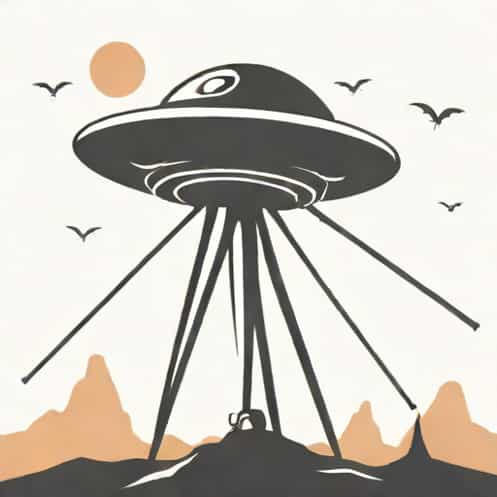
From the War of the Worlds is a phrase that immediately evokes images of alien invasions, futuristic weapons, and humanity’s struggle for survival. Originating from H.G. Wells’ 1898 novel, The War of the Worlds has transcended its literary roots to influence radio, film, television, and even popular culture at large. This story is not just a tale of extraterrestrial conflict but also a commentary on human society, technological progress, and the fragility of civilization. Understanding its origins, adaptations, and cultural significance provides insight into why this narrative continues to captivate audiences over a century later.
The Original Novel
H.G. Wells, a British author, wrote The War of the Worlds during a time of rapid industrialization and scientific discovery. The novel tells the story of a Martian invasion of Earth, focusing on the perspective of an unnamed narrator and his experiences surviving the attacks. The Martians are depicted as technologically superior beings, possessing advanced weaponry such as heat-rays and chemical weapons, which create fear and destruction wherever they appear.
Plot Overview
The story begins with unusual observations of objects landing on Earth, which later turn out to be Martian cylinders. As the invasion unfolds, cities are destroyed, populations flee, and humanity confronts the horrifying reality of an unstoppable extraterrestrial force. The climax is notable for its sudden resolution the Martians are ultimately defeated not by human weaponry but by Earth’s microorganisms, which the aliens have no immunity against. This ending underscores Wells’ interest in natural science and the limits of technology.
Themes and Symbolism
The novel explores a range of themes, many of which remain relevant today. Some key themes include
- Human FragilityThe story highlights how vulnerable humans are to forces beyond their control, emphasizing the thin veneer of civilization.
- Technological AnxietyWells illustrates the fear of advanced technology, both human and alien, and its potential to wreak havoc.
- Colonialism and ImperialismThe Martians’ conquest mirrors European colonial practices, prompting reflection on the ethics of domination and conquest.
- Survival and AdaptationThe narrative emphasizes the resilience of humans in the face of extreme adversity, showing both courage and despair.
By blending science fiction with social commentary, The War of the Worlds elevates itself from mere adventure storytelling to a profound exploration of society and human nature.
Notable Adaptations
Since its publication, The War of the Worlds has been adapted in various forms, each adding new dimensions to Wells’ original narrative. These adaptations have introduced the story to new generations and mediums, cementing its status as a cultural touchstone.
Radio Adaptation
In 1938, Orson Welles produced a radio broadcast of The War of the Worlds that famously caused public panic. Presented as a series of news bulletins, the broadcast convinced some listeners that a real Martian invasion was occurring. This adaptation showcased the power of media to influence public perception and demonstrated the story’s ability to provoke fear and fascination.
Film Adaptations
Several films have brought The War of the Worlds to the big screen, each interpreting the story differently. Notable versions include
- 1953 FilmA Cold War-era adaptation that focused on the fear of nuclear technology and foreign threats, with Martians landing in Southern California.
- 2005 FilmDirected by Steven Spielberg and starring Tom Cruise, this modern adaptation emphasizes personal survival and family dynamics while retaining the theme of societal vulnerability.
Each adaptation reinterprets Wells’ themes to reflect contemporary societal fears, from Cold War anxieties to modern concerns about global threats and natural disasters.
Influence on Science Fiction
The War of the Worlds has profoundly impacted science fiction literature and media. It introduced concepts such as alien invasion, advanced technology, and the clash between humanity and extraterrestrial life. Subsequent authors, filmmakers, and creators have drawn inspiration from Wells’ vision, expanding the genre and influencing works ranging from Independence Day to The X-Files.
Cultural Significance
The story continues to resonate with audiences for several reasons
- Universal ThemesThemes of fear, survival, and human vulnerability are timeless.
- Imaginative AppealThe depiction of advanced alien civilizations stimulates creativity and wonder.
- Media AdaptabilityThe narrative adapts well to radio, film, television, and even video games, ensuring continued relevance.
- Educational ValueIt introduces readers to early science fiction, natural science concepts, and ethical dilemmas.
The enduring appeal of The War of the Worlds demonstrates how a single narrative can influence both popular culture and intellectual thought for over a century.
Modern Interpretations
Contemporary adaptations often reflect current societal concerns, such as climate change, pandemics, and technological disruption. By reimagining Martian invasions or alien threats, modern storytellers use Wells’ framework to explore issues like environmental collapse, global inequality, and the impact of technology on daily life. This adaptability ensures that The War of the Worlds remains relevant, offering a mirror to contemporary anxieties and fears.
Lessons from the Story
From the War of the Worlds, audiences can draw numerous lessons
- ResilienceHumanity must adapt to unforeseen challenges and threats.
- HumilityAdvanced civilizations, whether alien or human, are not invincible.
- Science AwarenessKnowledge of biology, technology, and natural systems is crucial for survival.
- Ethical ReflectionObserving the Martians’ conquest prompts thought about morality, imperialism, and the consequences of power.
These lessons contribute to the story’s depth, transforming it from a simple adventure tale into a reflection on society and human nature.
From the War of the Worlds captures the imagination through its vivid depiction of an alien invasion and its exploration of human resilience and societal vulnerability. H.G. Wells’ novel laid the foundation for modern science fiction, influencing countless adaptations and cultural works. From radio broadcasts that induced real-life panic to blockbuster films and contemporary reinterpretations, the story’s impact is undeniable. Its themes of survival, technological fear, and ethical reflection remain relevant today, demonstrating the timelessness of Wells’ vision. Whether approached as a literary masterpiece, a source of entertainment, or a cultural phenomenon, The War of the Worlds continues to inspire curiosity, creativity, and reflection in audiences around the world.