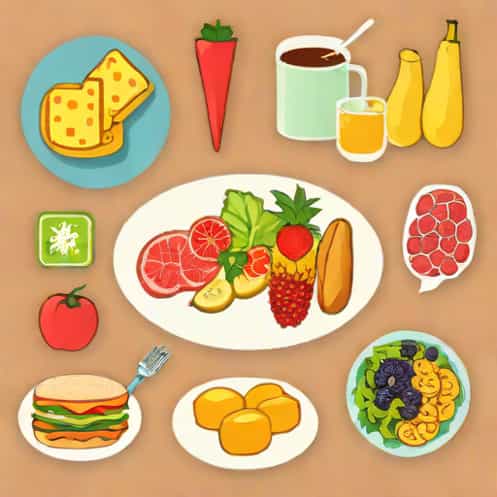
Living with interstitial cystitis (IC), also known as painful bladder syndrome, can be challenging because diet plays a major role in managing symptoms. Many people with IC find that certain foods or drinks can worsen bladder pain, urgency, or discomfort. Learning which foods to avoid can make daily life more comfortable and reduce flare-ups. Everyone’s triggers can differ slightly, but there are several common culprits that tend to irritate the bladder and increase inflammation.
Understanding the Role of Diet in Interstitial Cystitis
Interstitial cystitis is a chronic condition that causes pressure, pain, and discomfort in the bladder and pelvic region. While there is no single known cause, inflammation and a damaged bladder lining are often involved. Foods and beverages that are acidic, spicy, or contain artificial ingredients can irritate this sensitive bladder lining, leading to flare-ups. Making smart dietary choices is therefore one of the most effective ways to manage IC symptoms naturally.
Foods and Drinks to Avoid with Interstitial Cystitis
1. Citrus Fruits and Juices
Citrus fruits like oranges, lemons, limes, and grapefruits are known bladder irritants. Their high acid content can worsen inflammation and cause burning sensations when urinating. Even natural citrus juices or vitamin C supplements made from ascorbic acid can be problematic. People with IC often do better when they avoid citrus entirely and choose lower-acid fruits instead.
2. Tomatoes and Tomato-Based Products
Tomatoes are another common trigger for people with interstitial cystitis. They are naturally acidic and can lead to increased bladder irritation. This includes foods such as tomato sauce, ketchup, salsa, and pizza. Even cooked or canned tomatoes tend to have the same effect. For flavor, many people switch to alternatives like roasted red peppers or mild cream sauces.
3. Coffee and Caffeinated Drinks
Caffeine is one of the most frequent bladder irritants for those with IC. Coffee, black tea, and energy drinks all stimulate the bladder and increase urgency. The combination of acidity and caffeine makes coffee especially troublesome. Even decaffeinated versions may still contain small amounts of caffeine and acid, so herbal teas such as chamomile or peppermint are often safer options.
4. Alcoholic Beverages
Alcohol acts as a diuretic and can significantly worsen IC symptoms. It increases urine production, which can irritate the bladder and cause dehydration at the same time. Beer, wine, and cocktails often contain acids, sugars, or flavorings that add to the irritation. Avoiding alcohol altogether or limiting intake during remission periods can help maintain comfort.
5. Carbonated and Flavored Drinks
Sparkling water, soda, and other carbonated beverages can trigger bladder discomfort due to both their acidity and carbonation. The bubbles themselves may contribute to a bloated or painful feeling in the bladder area. Additionally, flavored sodas often contain artificial sweeteners and preservatives that can worsen inflammation. Still water or naturally flavored herbal infusions are much better tolerated.
6. Spicy Foods
Spicy dishes are another major source of irritation. Ingredients like chili peppers, hot sauces, curry, and strong spices can inflame the bladder lining and cause burning sensations. Many people with IC find relief by switching to mild herbs such as basil, parsley, or rosemary instead of hot spices. This allows flavor without triggering pain.
7. Artificial Sweeteners
Artificial sweeteners such as aspartame, saccharin, and sucralose are commonly found in diet sodas, sugar-free gum, and low-calorie desserts. These chemicals can irritate the bladder and worsen symptoms for many individuals with IC. Even natural substitutes like stevia may cause issues in some cases. When possible, a small amount of natural sugar or honey is a safer alternative.
8. Processed Foods and Preservatives
Highly processed foods often contain additives, preservatives, and artificial flavorings that can irritate the bladder. Packaged snacks, canned soups, deli meats, and frozen meals frequently include ingredients like monosodium glutamate (MSG), nitrates, or citric acid all of which can trigger IC flare-ups. Preparing meals from fresh ingredients at home gives you better control over what goes into your food.
9. Vinegar and Pickled Foods
Vinegar is highly acidic and can cause discomfort in people with interstitial cystitis. This includes foods like pickles, salad dressings, and condiments that use vinegar as a base. While vinegar can be found in many recipes, you can try substituting it with mild options such as olive oil and herbs to create tasty yet bladder-friendly dishes.
10. Chocolate and Cocoa
Chocolate contains both caffeine and acids, making it a double irritant for those with IC. Even small amounts of cocoa can trigger bladder pain or urgency. While this might be disappointing for chocolate lovers, there are alternatives like carob or naturally flavored vanilla snacks that can provide a similar taste without discomfort.
Foods That Are Usually Safe
Although avoiding certain foods is important, it’s equally helpful to know which foods are generally well tolerated. Many people with IC find relief when they focus on a soothing, low-acid diet that nourishes the body while protecting the bladder. Some examples include
- Non-citrus fruits such as pears, blueberries, and watermelon
- Vegetables like lettuce, cucumbers, zucchini, and green beans
- Whole grains including oats, rice, and quinoa
- Lean proteins like chicken, turkey, and fish
- Dairy substitutes such as oat milk or rice milk
- Plain water or herbal teas with no caffeine
It’s important to note that tolerance can vary from person to person. What bothers one individual may not affect another. Keeping a food diary can help identify personal triggers and patterns over time.
Tips for Managing Diet with Interstitial Cystitis
Adjusting your diet doesn’t have to feel restrictive. With some planning, you can enjoy meals that are both satisfying and bladder-friendly. Here are some simple tips for maintaining balance while reducing IC symptoms
- Keep a food logWrite down what you eat and note any symptoms that follow. This can help pinpoint problem foods more accurately.
- Make gradual changesEliminate one suspected trigger at a time to see if symptoms improve.
- Cook at homePreparing your own meals allows you to avoid hidden acids and preservatives found in restaurant dishes.
- Stay hydratedDrinking enough water helps dilute urine and reduce irritation, even though frequent urination can be uncomfortable.
- Work with a dietitianA nutrition expert familiar with IC can help you create a balanced, sustainable meal plan.
Reintroducing Foods Carefully
Once symptoms are under control, some people choose to reintroduce foods gradually to test their tolerance. This should be done slowly, adding one food at a time and monitoring for any signs of bladder pain or urgency. If symptoms return, it’s best to remove that food again. Over time, this process helps individuals build a personalized list of safe and unsafe foods.
Managing interstitial cystitis through diet takes patience and attention, but it can greatly improve quality of life. Avoiding common irritants like caffeine, alcohol, citrus, and spicy foods can reduce flare-ups and keep the bladder calm. By focusing on gentle, nutritious, and low-acid foods, people with IC can regain control over their symptoms and enjoy eating without constant discomfort. Listening to your body, keeping a food journal, and making thoughtful choices are the most powerful tools for living well with interstitial cystitis.