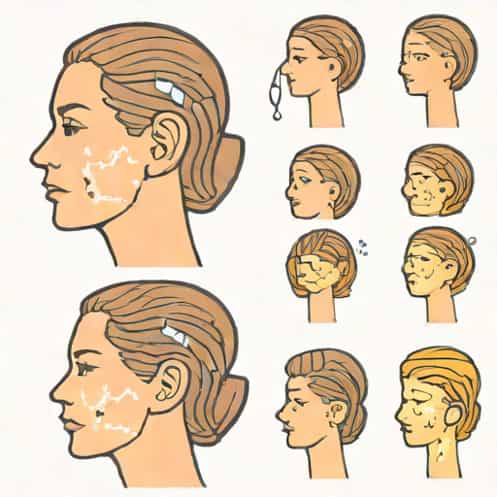
The flow or discharge of sebum is a natural biological process that plays an essential role in maintaining the health and balance of human skin. Sebum, an oily substance produced by the sebaceous glands, is responsible for keeping the skin moisturized, protecting it from external pollutants, and preventing dryness. However, when the flow of sebum becomes irregular-either excessive or insufficient-it can lead to a variety of skin issues such as acne, oily skin, or dryness. Understanding how sebum works, what influences its production, and how to maintain a healthy balance is key to achieving clear and well-nourished skin.
What Is Sebum?
Sebum is a waxy, lipid-rich substance secreted by the sebaceous glands located beneath the surface of the skin. These glands are found all over the body, but they are most concentrated on the scalp, face, chest, and upper back. Sebum primarily consists of triglycerides, wax esters, squalene, and free fatty acids. Together, these components create a protective film on the skin that locks in moisture and forms a barrier against bacteria, pollutants, and other external aggressors.
How the Flow or Discharge of Sebum Occurs
The flow or discharge of sebum begins within the sebaceous glands. Each gland is connected to a hair follicle, through which the sebum travels to reach the surface of the skin. This process is regulated by hormones, particularly androgens, which increase gland activity. When the sebaceous gland produces sebum, it moves upward along the follicle and eventually exits through the skin’s pores. Once released, sebum mixes with sweat and dead skin cells, forming a thin protective layer called the acid mantle that helps maintain the skin’s pH balance.
Functions of Sebum in Skin Health
The discharge of sebum serves several important functions in maintaining skin health and integrity
- MoisturizationSebum prevents excessive water loss by forming a natural barrier, keeping the skin soft and hydrated.
- ProtectionIt shields the skin from bacteria, dust, and environmental toxins.
- LubricationSebum reduces friction between the skin and clothing, preventing irritation.
- Antioxidant defenseCertain lipids in sebum contain antioxidant properties that protect against free radicals.
Without the normal flow of sebum, skin can quickly become dry, flaky, and more prone to irritation or infection. Conversely, too much sebum can cause clogged pores and breakouts.
Factors That Influence Sebum Production
The flow of sebum is not constant; it is affected by various internal and external factors. Understanding these can help in managing oily or dry skin conditions effectively.
1. Hormonal Fluctuations
Hormones are the most significant regulators of sebum flow. During puberty, the surge of androgens increases gland activity, which often leads to oily skin and acne. Hormonal changes during pregnancy, menstruation, or menopause can also alter sebum production. In men, testosterone tends to keep sebaceous glands active throughout life.
2. Genetic Predisposition
Genetics plays a major role in determining how much sebum your skin produces. People with naturally oily skin often inherit overactive sebaceous glands, while those with dry skin may have underactive ones. This is why certain skin types tend to run in families.
3. Climate and Environment
Hot and humid environments stimulate sebum flow, while cold and dry conditions tend to suppress it. This explains why many people experience oilier skin in summer and dryness during winter. Air pollution can also disrupt sebum balance by clogging pores and leading to overproduction as a compensatory response.
4. Diet and Lifestyle
The foods you eat can influence sebum production. Diets high in sugar, dairy, or processed fats may trigger excess oil production, whereas a balanced diet rich in omega-3 fatty acids, fruits, and vegetables can help regulate it. Hydration and regular exercise also support healthy sebum flow by promoting proper blood circulation and detoxification.
5. Skincare Habits
Overwashing or using harsh cleansers can strip the skin of its natural oils, prompting sebaceous glands to produce even more sebum to compensate. On the other hand, inadequate cleansing allows sebum and dead skin cells to accumulate, leading to clogged pores. Maintaining a balanced skincare routine with gentle, pH-friendly products helps regulate the natural discharge of sebum.
Common Disorders Related to Sebum Flow
When the discharge of sebum is disrupted, it can result in various skin problems. These issues can arise from either overproduction (hyperseborrhea) or underproduction (hyposeborrhea).
1. Acne
Acne occurs when sebum, dead skin cells, and bacteria clog hair follicles. Overactive sebaceous glands are a major contributing factor. The trapped sebum creates an environment where bacteria can thrive, leading to inflammation, blackheads, and pimples. Managing acne often involves balancing sebum production through topical treatments and lifestyle adjustments.
2. Seborrheic Dermatitis
This condition is characterized by red, flaky, and itchy patches, often occurring on the scalp, face, or chest. It is associated with excessive sebum discharge combined with the presence of certain yeasts on the skin. Mild cases can be managed with medicated shampoos or antifungal creams, while more severe cases may require prescription treatments.
3. Dry Skin and Eczema
When sebaceous glands produce too little sebum, the skin loses its ability to retain moisture. This leads to dryness, cracking, and irritation. In some cases, chronic underproduction may contribute to eczema or dermatitis. Using gentle moisturizers that mimic natural sebum can help restore the skin barrier.
How to Maintain a Healthy Sebum Balance
Keeping the flow of sebum balanced requires consistent skincare and healthy habits. Here are practical steps to maintain optimal sebum production
- Cleanse your face twice a day with a mild, sulfate-free cleanser.
- Avoid overwashing or using excessively hot water, which can strip the skin of oils.
- Use non-comedogenic moisturizers that hydrate without clogging pores.
- Exfoliate once or twice a week to remove dead skin cells and prevent buildup.
- Incorporate products with niacinamide or zinc to help regulate sebum flow.
- Eat a balanced diet and drink plenty of water to support skin health from within.
By maintaining these habits, you can keep the skin’s oil levels under control and prevent common issues caused by imbalanced sebum flow.
Scientific Advances in Understanding Sebum Regulation
Recent research into the biology of sebaceous glands has shed light on how sebum production can be better managed. Scientists are studying how certain hormones, enzymes, and genetic factors influence sebaceous activity. New treatments, including topical retinoids, hormonal therapy, and botanical extracts, aim to regulate the discharge of sebum without completely suppressing it. These advancements are helping dermatologists develop more personalized and effective skincare solutions for oily and acne-prone individuals.
The flow or discharge of sebum is an essential part of maintaining healthy, balanced skin. While it serves as the body’s natural moisturizer and protector, imbalances in sebum production can lead to various skin concerns. By understanding how sebum works, what affects its flow, and how to maintain equilibrium through proper skincare and lifestyle choices, you can support your skin’s natural defenses and achieve a smooth, radiant complexion. Ultimately, balanced sebum flow is not just about oil control-it’s about harmony between the skin’s natural processes and overall wellness.
2/2